Natural Disaster Travel Plans: Cancellation & Refund Guide
Navigate natural disaster travel cancellations with expert guidance on refunds, insurance, and vendor options.
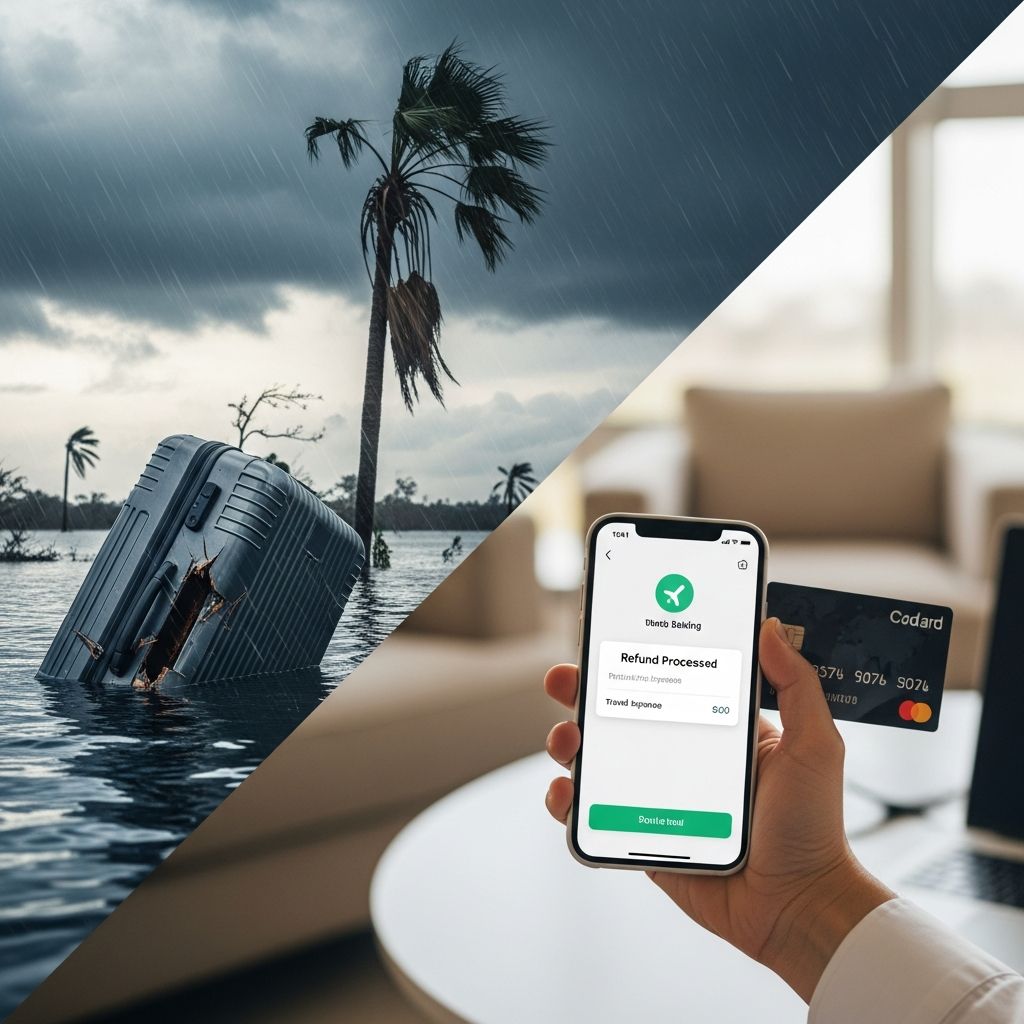
What Should You Do When a Natural Disaster Spoils Your Travel Plans?
Natural disasters and unforeseen tragedies can strike at any moment, potentially derailing even the most carefully planned vacations. Whether you’re facing a hurricane like Harvey, Maria, or Irma, a volcanic eruption, or acts of terrorism, the reality is that no destination is entirely immune to disruption. When disaster threatens your upcoming trip, you’re faced with critical decisions: Should you cancel? Will you receive a refund? How do you navigate the complex world of travel policies and vendor requirements?
The answer to these questions is more nuanced than a simple yes or no. Your financial outcome depends heavily on how you booked your trip, the severity of the disaster, and the specific policies of your travel vendors. Understanding the general principles that govern cancellations and refunds can help you make informed decisions and potentially recover your investment.
Understanding How You Booked Matters
The manner in which you booked and paid for your trip is perhaps the most critical factor in determining your options and potential refunds. Different booking methods trigger different processes and result in different outcomes.
If you booked a vacation package through a third-party travel booking service such as Expedia, Travelocity, or similar platforms, you should contact that service immediately when a disaster threatens your plans. These companies serve as intermediaries between you and the actual service providers, and they handle cancellations and refunds according to their own policies, which may differ from the individual vendor policies.
Conversely, if you booked your hotel, flight, and rental car separately and directly with each provider, you’ll need to contact each vendor individually to explore your options. This approach requires more legwork but sometimes offers more flexibility since you’re dealing directly with the companies providing the services.
Review Your Cancellation Terms Immediately
Your first action should be to carefully read through your reservation confirmation and cancellation terms. Many bookings come with specific windows during which you can cancel without penalty. These windows vary widely depending on the type of accommodation, the time of booking, and the specific vendor.
If you discover you’re within the cancellation window, act quickly. Contact your provider and initiate the cancellation process before that window closes. Time is critical in these situations, as disaster-related cancellations can surge, potentially overwhelming customer service operations.
If you’ve already passed the standard cancellation window, don’t lose hope. During a natural disaster or when one is imminent, many hotels and travel providers demonstrate flexibility and compassion. Calling the hotel’s customer service line directly can help you negotiate options that wouldn’t normally be available. Many establishments will waive cancellation penalties in the face of a genuine emergency. Alternatively, they may offer to shift your reservation to another property or a different travel date at no additional cost.
Cruise Line Cancellation and Rerouting Policies
Cruise lines operate under their own set of rules when natural disasters disrupt travel plans. Understanding these policies is essential if you have a cruise booking during hurricane season or in regions prone to other natural disasters.
Major cruise lines like Carnival Cruise Line offer several options when cruises are canceled. Passengers typically qualify for either a full cash refund or credit toward another cruise at a later date. Some cruise lines go further by offering shortened itineraries to avoid affected areas, though passengers receive only partial refunds for the days missed due to rerouting.
It’s important to understand that cruise lines retain broad authority to change your itinerary for virtually any reason, including severe weather and natural disasters. If your cruise is scheduled to stop in an area affected by a hurricane or other disaster, the cruise line may alter your route entirely. For example, instead of docking in storm-ravaged St. Maarten, you might spend that day at an alternative port like St. Kitts. While this may not be what you originally paid for, it allows the cruise to proceed.
If you have a Caribbean cruise planned and are concerned about potential hurricane disruption, examine your cruise booking documentation carefully to understand what cancellation options are available to you. Many cruise lines have specific policies for weather-related disruptions that may be more favorable than standard cancellation terms.
The Game-Changing Role of Travel Insurance
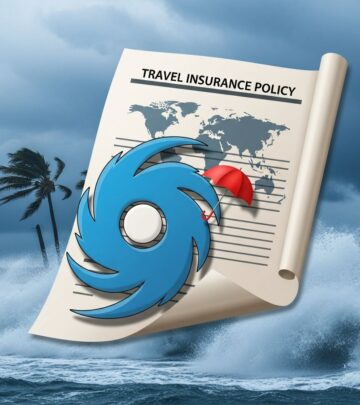
Travel insurance can fundamentally change your financial outcome when a natural disaster forces you to cancel your trip. Understanding your coverage options is crucial, as insurance protection can mean the difference between losing your entire investment and recovering most of your costs.
Travel insurance comes from two primary sources: standalone policies you purchase independently, or coverage included with certain travel rewards credit cards. Each option has distinct advantages and limitations.
Travel Insurance Through Credit Cards
Many premium travel rewards credit cards include trip cancellation and interruption insurance as a cardholder benefit. For example, some credit card issuers offer coverage up to $10,000 per covered trip, with a maximum limit of $20,000 per occurrence if your trip is canceled or interrupted for a “covered reason.”
Covered reasons typically include illness or injury, but critically, they also encompass severe weather and terrorist acts. This means that if a hurricane forces you to cancel your flight or hotel stay, or if a terrorist attack occurs in your destination, your credit card’s trip cancellation insurance may reimburse your covered expenses.
The significant advantage of credit card coverage is that you likely already have it if you hold the right card. The disadvantage is that coverage limits and specific terms vary between card issuers, so you must review your particular card’s benefits documentation.
Standalone Travel Insurance Policies
Individual travel insurance policies offer various forms of coverage for natural disasters and unforeseen travel emergencies. These policies provide flexibility in choosing coverage levels and specific protections. Coverage limits, deductibles, and specific covered events vary significantly from policy to policy.
When considering a standalone travel insurance policy, thoroughly read the terms and conditions to understand exactly what scenarios are covered. Some policies may exclude certain types of natural disasters or geographical regions. Compare what your potential credit card coverage offers against what a standalone policy would provide, and choose the option best suited to your specific trip and risk profile.
Critical Timing Requirement for Insurance
One essential rule applies to all travel insurance: you must purchase your policy before the triggering disaster occurs. You cannot wait for a hurricane to be forecast, a terrorist attack to happen, or a volcano to show signs of eruption, and then purchase insurance coverage. Insurance companies will not cover events that occurred before your policy’s effective date.
If you already hold a credit card with trip cancellation coverage, you may already be protected for events that occur after you book your trip. However, if you don’t currently have any insurance coverage and are planning a trip to a region with high disaster risk, purchasing standalone travel insurance should be done at or shortly after booking your flights and accommodations.
Maintaining Open Communication With Vendors
When a natural disaster threatens your travel plans, the importance of keeping communication channels open cannot be overstated. Staying in touch with your airline, hotel, cruise line, or travel booking service is essential for understanding your options and receiving timely updates.
Travel vendors are often dealing with disasters on a day-by-day basis, sometimes managing situations that are evolving hour by hour. They frequently don’t have complete information about how situations will ultimately be handled. By maintaining regular contact, you can stay informed about your specific situation and be among the first to know about new options or policy changes that might benefit you.
Because each event and disaster is unique, there are no universal hard-and-fast rules governing how all cancellations and refunds are handled. A policy that applies to one hurricane may not apply to volcanic ash or terrorism. This variation means that direct communication with your specific vendor is often more valuable than trying to apply general principles to your situation.
Flexibility and Supporting Recovery
While canceling your trip is often the first instinct when disaster strikes, there’s another perspective worth considering. If you have the flexibility and the affected destination heavily relies on tourism revenue, proceeding with your trip can actually help.
Islands in the Caribbean especially depend significantly on tourism dollars for their economies and recovery efforts. By maintaining your travel plans despite weather damage or disruption, you contribute directly to local recovery. Shopping in local markets, dining at local restaurants, and spending money on local services puts cash directly into the hands of business owners and workers harmed by the disaster.
This approach only works if you’re genuinely comfortable with the situation and if the destination is actually open for tourism. It’s not appropriate if the area faces immediate danger or if infrastructure damage makes travel unsafe or logistically impossible. However, for situations where travel is safe but recovery is needed, proceeding with your plans can be a form of support.
Key Takeaways for Natural Disaster Travel Disruptions
- Contact your travel vendor immediately if booking through a third-party service, or contact each vendor separately if you booked independently
- Review your cancellation terms and act quickly if you’re within the cancellation window
- Call customer service directly even after the standard cancellation period to negotiate options during a genuine emergency
- Understand your cruise line’s specific rerouting and cancellation policies
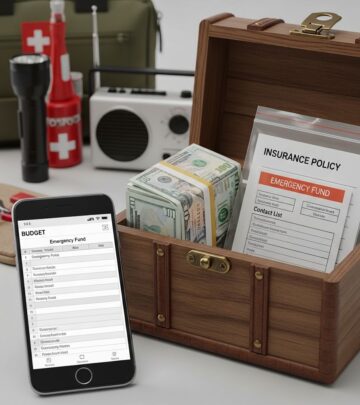
- Review existing travel insurance through your credit cards before purchasing standalone coverage
- Purchase standalone travel insurance before a disaster occurs, not after
- Maintain open communication with your travel vendors throughout the disruption
- Consider proceeding with travel if safe and if the destination depends on tourism recovery
Frequently Asked Questions
Q: Can I get a refund if a natural disaster forces me to cancel my trip?
A: Refund eligibility depends on how you booked, your vendor’s policies, the severity of the disaster, and whether you have travel insurance. Direct communication with your vendor is essential, as many will offer refunds or rebooking options during genuine emergencies even outside standard cancellation windows.
Q: What should I do first if a disaster threatens my upcoming trip?
A: Contact your travel vendor immediately. If you booked through a third-party service like Expedia, contact them. If you booked separately, contact each vendor individually. Review your cancellation terms and act quickly if within the cancellation window.
Q: Does travel insurance cover natural disasters?
A: Many travel insurance policies and credit card trip cancellation benefits do cover natural disasters and severe weather. However, coverage varies by policy and issuer. Check your specific policy terms and conditions, and remember that you must purchase insurance before the disaster occurs.
Q: Can I purchase travel insurance after learning about a disaster?
A: No. Travel insurance must be purchased before a triggering event occurs. You cannot wait for a disaster to be announced and then purchase coverage expecting it to apply to that specific event.
Q: What options do cruise lines typically offer during hurricanes or natural disasters?
A: Cruise lines may offer cash refunds, cruise credits, rerouted itineraries to avoid affected areas, or shortened cruises with partial refunds. They have authority to change itineraries for any reason, including severe weather. Review your specific cruise booking for available options.
Q: Should I cancel my trip or try to go despite the disaster?
A: This depends on the specific situation. If travel is unsafe or infrastructure is severely damaged, canceling is appropriate. However, if the destination is open for tourism and depends on visitor spending for recovery, and if you’re comfortable with the situation, proceeding can actually help the local economy and recovery efforts.
Q: Will hotels always waive cancellation fees during a natural disaster?
A: While not guaranteed, many hotels demonstrate flexibility during genuine emergencies and will waive standard cancellation penalties or offer to rebook your stay at another property. Calling customer service directly to discuss your situation significantly improves the chances of favorable terms.
References
- What Should You Do When a Natural Disaster Spoils Your Travel Plans? — Wise Bread. https://www.wisebread.com/what-should-you-do-when-a-natural-disaster-spoils-your-travel-plans
- Trip Cancellation Insurance Coverage Guide — U.S. Travel Insurance Association. Covers industry standards for travel insurance products and policies for disaster-related cancellations.
- Cruise Line Industry Standards for Disaster Response — Cruise Lines International Association (CLIA). Guidelines for cruise line policies regarding weather-related itinerary changes and refunds.
Similar Articles








Read full bio of Sneha Tete