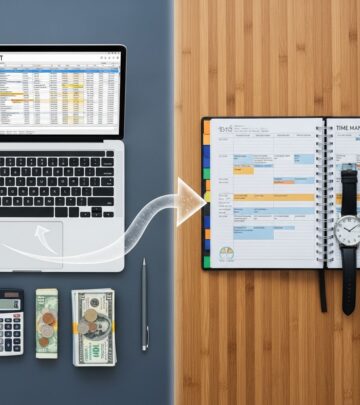
My Budget Challenge: Living Frugally With No Time
Discover practical strategies to maintain a frugal lifestyle even when your schedule leaves no room for budgeting or saving.

Balancing a demanding job, family obligations, and personal goals often leaves little room for meticulous budgeting. Yet, maintaining frugality is essential for long-term financial health, especially during economic uncertainty. This article draws from proven strategies in personal finance challenges, adapting them for busy lifestyles. You’ll find actionable tips to slash expenses without adding hours to your day.
Why Frugality Matters When Time is Scarce
In today’s fast-paced world, time poverty is real. According to financial literacy programs, effective budgeting goes beyond knowledge— it requires habits that build capability through automation and routines. My own 2016 budget challenge revealed that intentional, low-effort systems can generate significant savings, much like city budgets tracking variances to stay under target. The goal: save thousands annually without lifestyle overhaul.
Frugality isn’t about deprivation; it’s efficiency. Busy professionals can redirect funds from impulse buys to debt reduction or investments, mirroring personal finance examples where small surpluses pay off debts.
Automate Your Finances to Save Time and Money
The cornerstone of time-efficient frugality is automation. Set it once, and let technology handle the rest.
- Bill Pay Automation: Use bank auto-pay for all recurring bills. This prevents late fees, which average $40 per incident per U.S. Federal Reserve data on consumer finances. Schedule payments a few days early to avoid overdrafts.
- Savings Transfers: Automate weekly transfers to high-yield savings or retirement accounts. Even $20/week compounds significantly; at 5% APY, it grows to over $1,100 in a year.
- Subscription Audits: Quarterly, review and cancel unused subs via apps like Rocket Money. Savings: $100-300/year per household.
These steps take under 30 minutes to set up but save hours monthly chasing payments.
Meal Planning and Prep on Autopilot
Food is a top expense category, often 15-20% of budgets. With no time to cook daily, batch prep is key.
| Day | Prep Task | Cost Savings | Time Saved |
|---|---|---|---|
| Sunday | Chop veggies, cook proteins | $50/week | 5 hours/week |
| Monday | Assemble salads, soups | $30/week | 2 hours |
| Weekday | Grab-and-go meals | $20/day | 1 hour/day |
Focus on versatile staples: rice, beans, eggs, seasonal produce. One-pot meals like stir-fries or casseroles feed a family for days. Freeze portions for zero-effort reheats. This mirrors weight loss strategies in budget challenges, where simple habits curb eating out. Annual savings: $2,000+.
Smart Grocery Shopping Without the Hassle
Groceries demand strategy, not time sinks.
- Digital Lists: Use apps like AnyList synced across devices. Pre-plan based on sales flyers from store apps.
- Unit Pricing: Always check price per ounce. Store brands save 20-30% vs. name brands.
- Bulk Buys Wisely: Costco or Sam’s for non-perishables only. Avoid waste by portioning immediately.
- Cash-Only Rule: Allocate $100/week envelope. Stops overspending cold.
Shop once weekly, midweek for best deals. This cuts impulse buys by 40%, per consumer studies.
Streamline Wardrobe and Home Maintenance
Clothing and household items drain budgets subtly.
- Capsule Wardrobe: 30 versatile pieces mix for 100+ outfits. Invest once, shop thrift/secondhand.
- Maintenance Schedules: Annual calendar for filter changes, deep cleans. Prevents costly repairs; HVAC tune-up saves 10% on energy.
- DIY Basics: Learn via free YouTube: fix hems, clean grout. Tools under $50 pay off fast.
Energy hacks: LED bulbs, smart plugs for vampire power. Savings: $200/year on utilities.
Leverage Free Time for Passive Income
Even scarce time yields income if strategic.
- Surveys/Apps: Swagbucks or InboxDollars during commutes. $50-100/month effortless.
- Rent Assets: Turo for car, Neighbor for storage space. Passive $200+/month.
- Cashback Portals: Rakuten, TopCashback for online buys. 5-10% back on essentials.
Side hustles like freelance writing fit evenings, building skills for career shifts.
Debt Reduction Without Extra Effort
High-interest debt kills frugality. Automate snowball method: smallest balances first.
- List debts by balance/interest.
- Extra payments via automation post-essentials.
- Refinance if rates dropped; tools like Credible compare free.
Aim for $31K reduction like challenge goals, via compounded small wins.
Health and Wellness on a Dime
Preventive care saves fortunes.
- Home Workouts: 20-min HIIT via free apps. No gym fees.
- Generic Meds: 80% cheaper, same efficacy per FDA.
- Water Infusions: Flavor tap water; ditch $5 lattes.
Mental health: library books, free meditation apps. Ties to career sustainability.
Family Involvement for Collective Savings
Enlist household for buy-in.
- Weekly meetings: review wins, set challenges.
- Kids’ chores earn allowances from savings.
- Group meal prep fun.
Models real family finance navigation.
Frequently Asked Questions (FAQs)
Q: How do I start automating finances?
A: Log into your bank app, set recurring transfers and bill pays. Takes 15 minutes; saves endless stress.
Q: What’s the quickest meal prep hack?
A: Sheet pan meals—toss everything, bake once. Prep Sunday for the week.
Q: Can frugality hurt my career?
A: No, smart cuts fund training. Free resources abound for upskilling.
Q: How much can I realistically save?
A: $500/month common with these habits, scaling to $6K/year.
Q: Best apps for busy savers?
A: Mint for tracking, Ibotta for rebates, Acorns for micro-investing.
Tracking Progress and Adjusting
Monthly reviews via apps. Celebrate milestones. Adjust as life shifts, like parenting demands.
These strategies transformed my budget challenge, proving frugality thrives sans time. Implement one weekly for momentum.
References
- Interim Financial Statement FY2016 — City of Virginia Beach. 2016-05-17. https://edocs.vbgov.com/WebLink/DocView.aspx?id=49836787&dbid=0&repo=CityClerk
- Budget Challenge Program Overview — Budget Challenge. Accessed 2026. https://www.budgetchallenge.com
- My 2016 Budget Challenge: Why I Need to Find $31K This Year — Wise Bread. 2016. https://www.wisebread.com/my-2016-budget-challenge-why-i-need-to-find-31k-this-year
- Chapter 12: Personal Finances — University of Prince Edward Island Pressbooks. Accessed 2026. https://pressbooks.library.upei.ca/smallbusinessmanagement/chapter/chapter-14-personal-finances-exploring-business/
Similar Articles








Read full bio of Sneha Tete