Multiple Savings Accounts: 5 Smart Accounts To Open
Discover the pros and cons of using multiple savings accounts to organize your finances and reach your goals faster.

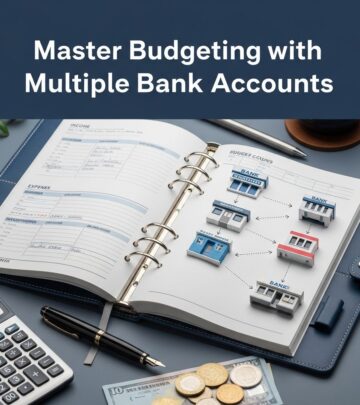
Having multiple savings accounts can be a game-changer for your financial organization, but it’s not without challenges. This approach helps separate goals, potentially earn higher interest, and maximize insurance coverage while requiring careful management to avoid fees and confusion.
Why Have Multiple Savings Accounts?
Maintaining several savings accounts allows you to compartmentalize your money for specific purposes, making it easier to track progress toward various financial objectives. Financial experts recommend this strategy for anyone with distinct savings goals, as it promotes discipline and visibility into your savings journey.
For instance, instead of lumping all your savings into one account, you can designate funds for emergencies, vacations, home down payments, or children’s education. This mental and physical separation reduces the temptation to dip into funds meant for long-term goals.
Pros and Cons of Multiple Savings Accounts
Before deciding on multiple accounts, weigh the advantages against potential pitfalls. Here’s a balanced view based on insights from banking experts and analysts.
Pros of Multiple Savings Accounts
- Organize and Track Financial Goals: Separate accounts for each goal—like an emergency fund, vacation savings, or car purchase—make progress tracking straightforward and motivating. Seeing balances grow specifically for vacations or home down payments provides positive reinforcement to save more.
- Earn Higher Interest Rates: Shop around for the best high-yield savings accounts (HYSAs). Top rates currently hover around 4% APY, far exceeding the national average of 0.50%. On $10,000, this difference yields $350 annually. Multiple accounts let you cherry-pick the highest rates without consolidating everything in a low-yield bank.
- Maximize FDIC Insurance: Each bank offers up to $250,000 in FDIC coverage per depositor, per account category. Spreading savings across institutions protects larger sums—e.g., $750,000 across three banks—safeguarding against bank failures.
- Access Bonuses and Features: Banks offer sign-up bonuses (e.g., $200), cash-back programs, or tools like Ally’s savings buckets. Multiple accounts allow you to capture these perks tailored to your needs.
- Behavioral Discipline: Earmarking accounts discourages unnecessary spending. Withdrawing from a ‘dream vacation’ fund feels more impactful than from a general pot, as noted by Bankrate’s Greg McBride.
Cons of Multiple Savings Accounts
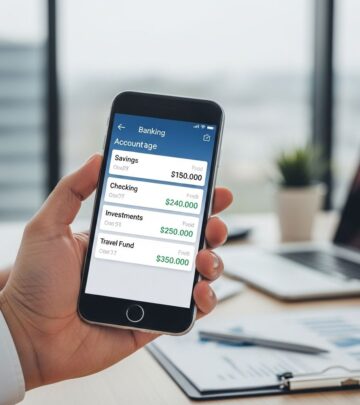
- Tracking Challenges: Managing balances, transfers, and logins across accounts can be overwhelming, especially without apps. Forgetting which account serves which goal leads to confusion.
- Minimum Balance and Fees: Splitting funds risks falling below minimums required for top rates or to avoid monthly fees, eroding earnings.
- Transaction Limits: Federal rules limit savings withdrawals to six per month; excess can trigger fees or account conversion to checking. Frequent transfers between accounts amplify this risk.
- Slower Transfers and Management: Moving money between banks takes 1-2 days via ACH, delaying access. Multiple logins and statements add administrative burden.
- Weaker Bank Relationships: Loyalty perks, like fee waivers or premium service, often favor single-institution customers.
| Aspect | Pros | Cons |
|---|---|---|
| Goal Tracking | Clear separation motivates saving | Risk of confusion with many accounts |
| Interest Earnings | Access top HYSAs (4%+ APY) | Minimums harder to meet when split |
| Insurance | $250K per bank | More institutions to monitor |
| Management | Cherry-pick bonuses | Multiple logins, slow transfers |
How Many Savings Accounts Should You Have?
The ideal number depends on your goals and management capacity—typically 3-5 for most people. Start with one for emergencies (3-6 months’ expenses), then add for short-term (vacation), medium-term (car), and long-term goals (home, retirement). Avoid excess to prevent overload; use bank tools like nicknames or buckets for simplicity.
Examples:
- Account 1: Emergency fund
- Account 2: Vacation/Travel
- Account 3: Down payment
- Account 4: New car or furniture
- Account 5: Kids’ college (if applicable)
Best Practices for Managing Multiple Savings Accounts
Maximize benefits while minimizing hassles with these strategies:
- Automate Transfers: Set recurring deposits from checking to each savings account post-payday. This ensures consistent saving without manual effort.
- Use Nicknames and Apps: Label accounts (e.g., ‘Beach Trip 2026’) in online banking. Budgeting apps like Mint or YNAB aggregate views across institutions.
- Choose Fee-Free HYSAs: Opt for online banks like Ally or Marcus with no minimums, high APYs, and features like buckets—one account, multiple sub-accounts.
- Monitor Regularly: Review monthly via a dashboard. Consolidate underperformers annually.
- Leverage Same-Bank Options: Many allow unlimited accounts under one login, simplifying management.
Multiple Savings Accounts vs. One Account with Buckets
Banks like Ally offer ‘savings buckets’ within one account, earning uniform interest with mental separation but single FDIC coverage and login. Ideal for simplicity; use separate accounts for insurance maximization or bonuses.
| Feature | Multiple Accounts | Buckets (One Account) |
|---|---|---|
| Tracking | Separate logins | Single dashboard |
| Interest | Potentially varied rates | Uniform rate |
| FDIC | Per bank | Per account |
| Fees | Multiple risks | Single set |
Does Having Multiple Savings Accounts Affect Your Credit?
No, savings accounts aren’t credit products, so they don’t impact your score. Unpaid fees could indirectly affect it via collections, but regular use poses no risk.
Frequently Asked Questions (FAQs)
Can I open multiple savings accounts at the same bank?
Yes, most banks allow several under one profile, aiding organization without extra logins.
Is there a limit to how many savings accounts I can have?
No legal limit, but manage only what you can track—3-5 is practical for most.
Do multiple savings accounts help with budgeting?
Absolutely; they enforce allocation per goal, simplifying progress checks.
What if I exceed transaction limits?
Banks may charge fees or convert to checking; plan transfers sparingly.
Should I close unused savings accounts?
Yes, to avoid fees, but it won’t hurt credit unless fees go to collections.
References
- The Pros and Cons of Multiple Savings Accounts — Five Star Bank. 2023. https://www.five-starbank.com/resources/the-pros-and-cons-of-multiple-savings-accounts
- 4 Reasons To Have Multiple Savings Accounts — Bankrate. 2025-06-15. https://www.bankrate.com/banking/savings/reasons-multiple-savings-accounts/
- Pros & Cons of Multiple Savings Accounts — Waukesha State Bank. 2021-02-01. https://www.waukeshabank.com/the-pros-and-cons-of-multiple-savings-accounts
- 5 Pros and Cons of Multiple Savings Account — YES Bank. 2024. https://www.yes.bank.in/blogs/savings-account/should-you-open-multiple-savings-accounts-find-out-the-pros-and-cons-here
- One Bank or Many? Weighing the Benefits & Busting the Myths — Madison Credit Union. 2024. https://madisoncu.com/one-bank-or-many-weighing-the-benefits-and-busting-the-myths/
- How many savings accounts should I have? — Citizens Bank. 2025. https://www.citizensbank.com/learning/how-many-savings-accounts-should-i-have.aspx
Similar Articles








Read full bio of medha deb