Multiple Credit Cards: Smart Strategy And Expert Tips
Explore the advantages and pitfalls of holding several credit cards to decide if this approach fits your financial goals.

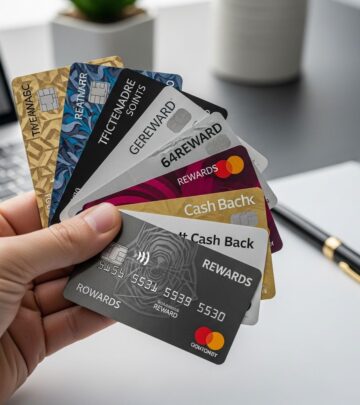
Holding several credit cards can enhance financial flexibility if managed wisely, offering rewards and credit-building opportunities while posing risks like overspending and administrative burdens.
Key Advantages of Diversifying Your Credit Cards
Using multiple credit cards strategically allows consumers to optimize benefits tailored to spending habits. For instance, pairing cards with category-specific rewards maximizes value on everyday purchases.
- Rewards Optimization: Different cards excel in various categories, such as groceries, travel, or gas, enabling higher returns by selecting the best option per transaction.
- Backup Reliability: A secondary card serves as a safeguard during declines, travel issues, or merchant restrictions, especially with no-foreign-fee options.
- Fraud Mitigation: Distributing usage reduces exposure; if one card is compromised, others remain functional, limiting disruption.
These perks compound for disciplined users, turning cards into tools for financial gain rather than mere payment methods.
Boosting Your Credit Profile with Several Cards
Credit scores benefit from responsible multi-card use through key factors like utilization and mix. Credit utilization, the ratio of balances to limits, ideally stays under 30%; multiple cards expand total limits, lowering this ratio even with regular spending.
| Credit Factor | Impact of Multiple Cards | Tips for Positive Effect |
|---|---|---|
| Utilization Ratio | Lowers overall percentage | Keep individual card balances low |
| Credit Mix | Diversifies account types | Combine with loans for balance |
| Payment History | More opportunities to demonstrate reliability | Automate payments |
Equifax notes two to three cards alongside other credit types support a healthy mix, aiding score maintenance. Consistent on-time payments across cards build a robust history, the top scoring factor.
Recommended Number of Credit Cards
Optimal card count varies by financial discipline and goals. Beginners might start with one; experienced users handle more for benefits.
- 1-2 Cards: Ideal for novices to focus on basics without overwhelm.
- 3-5 Cards: Balances rewards and management for most; supports utilization without excess inquiries.
- 6+ Cards: Suited for rewards enthusiasts with strong organization, but risks complexity.
Synchrony suggests aligning count with lifestyle—fewer for simplicity, more for perks like cash back bonuses.
Potential Drawbacks and How to Avoid Them
While benefits abound, pitfalls demand caution. Overspending tempts with expanded limits, potentially spiraling into debt via interest accrual.
- Overspending and Debt: More available credit encourages unnecessary buys; pay in full monthly to sidestep interest.
- Management Complexity: Varied due dates and rates complicate tracking; use apps or calendars for reminders.
- Fees Accumulation: Annual fees, late penalties multiply; select no-fee cards or offset with rewards.
New applications trigger hard inquiries, temporarily dinging scores; space them out. High balances across cards inflate utilization, harming scores.
Strategies for Successful Multi-Card Management
Success hinges on disciplined practices. Designate cards by purpose: one for travel rewards, another for daily cash back.
- Track statements via banking apps to align payments.
- Set alerts for due dates and limits.
- Review rewards quarterly to ensure value exceeds costs.
- Close unused cards judiciously to avoid score dips from shorter history.
Chase emphasizes avoiding annual fees unless perks justify them. For debt reduction, prioritize 0% balance transfer cards among multiples.
Credit Score Dynamics with Multiple Accounts
Scores reflect payment history (35%), utilization (30%), length of history (15%), new credit (10%), and mix (10%). Multiples aid utilization and mix but challenge history length and inquiries.
Positive long-term: Sparse use of high-limit cards signals control. NerdWallet warns fewer cards limit history-building chances. Monitor via free annual reports.
Ideal Card Combinations for Common Lifestyles
| Lifestyle | Suggested Cards | Primary Benefit |
|---|---|---|
| Grocery-Focused | Cash back on supermarkets + general rewards | 3-5% returns |
| Frequent Traveler | Travel rewards + no-fee foreign | Points + flexibility |
| Budget Builder | Secured + starter rewards | Credit history |
| Debt Manager | 0% intro APR + balance transfer | Interest savings |
Tailor to habits; Citi highlights missed payments as a top risk, underscoring organization.
Frequently Asked Questions
Does opening multiple cards hurt my credit score?
Short-term yes, via inquiries; long-term no if managed well. Limit applications to 1-2 yearly.
Can multiple cards improve my credit utilization?
Yes, by increasing total limits while keeping balances low.
What’s the risk of too many cards?
Overspending, missed payments, and score drops from high utilization or inquiries.
Should I close old cards?
Rarely; it shortens history and raises utilization. Keep active with small charges.
Are rewards worth multiple cards?
For disciplined users yes; calculate net value against fees.
Final Thoughts on Balancing Cards and Finances
Weigh personal discipline: rewards pros thrive with 3-5 cards; others stick to fewer. Prioritize full payments and low utilization for gains. Consult scores regularly to adjust.
References
- The Pros and Cons of Multiple Credit Cards — SmartAsset. 2023. https://smartasset.com/credit-cards/the-pros-and-cons-of-multiple-credit-cards
- Should You Have More Than One Credit Card? — BankFive. 2025-08-01. https://www.bankfive.com/blogs/august-2025/should-you-have-more-than-one-credit-card
- How Many Credit Cards Should You Have? — Synchrony Bank. 2024. https://www.synchrony.com/blog/banking/how-many-credit-cards-should-you-have
- How Many Credit Cards Should I Have? — Equifax. 2024. https://www.equifax.com/personal/education/credit-cards/articles/-/learn/how-many-credit-cards-should-i-have/
- How Many Credit Cards Should I Have? — NerdWallet. 2024. https://www.nerdwallet.com/finance/learn/how-many-credit-cards
Similar Articles








Read full bio of medha deb