Multiple BNPL Accounts: Pros, Cons & Smart Strategies
Explore if holding several Buy Now, Pay Later accounts works for you, weighing benefits against hidden pitfalls and expert tips for success.
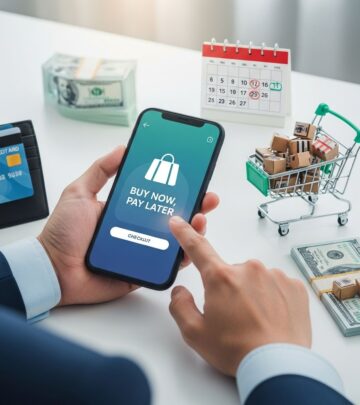
Buy Now, Pay Later (BNPL) services have transformed online shopping by letting consumers split purchases into installments, often without interest. Providers like Affirm, Klarna, Afterpay, and Sezzle enable quick approvals and deferred payments, typically dividing costs into four parts over six weeks. But what happens when you sign up for accounts with several providers? This practice, sometimes called loan stacking, offers flexibility but introduces complexities in tracking payments and managing cash flow.
Understanding the BNPL Landscape
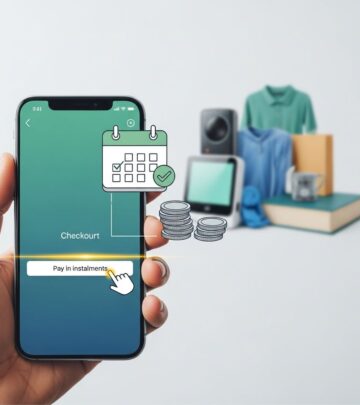
BNPL operates differently from traditional credit. At checkout, you pay a portion upfront—usually 25%—with the rest spread biweekly. Unlike credit cards with one monthly bill, each BNPL purchase generates its own schedule, leading to scattered due dates when using multiple services. An estimated 90 million Americans use BNPL annually, drawn by its accessibility, especially for those new to credit.
Providers don’t always check your full debt picture across platforms, making it easy to accumulate loans. This can feel empowering for bridging paychecks but risks overwhelming budgets if not monitored.
Key Advantages of Using Several BNPL Providers
Holding accounts with multiple BNPL companies expands your options. Here’s why many shoppers do it:
- Greater Purchase Flexibility: Different merchants partner with specific providers. Multiple accounts let you finance across more stores without limits.
- Improved Cash Flow Management: Spreading payments aligns with income cycles, easing large buys like electronics or apparel.
- No or Low Interest: Pay-in-four plans often charge 0% if on time, cheaper than credit card APRs.
- Soft Credit Checks: Approvals are fast with minimal impact, ideal for credit builders.
- Repeat Use: Accounts function like revolving credit for ongoing shopping.
For disciplined users, this setup provides short-term relief without long-term costs.
Hidden Dangers of Loan Stacking
While appealing, multiple BNPL accounts amplify risks. Consumers frequently overlook how plans overlap, leading to payment chaos.
| Risk Factor | Description | Potential Impact |
|---|---|---|
| Overspending | Small installments mask total debt, encouraging extra buys. | Budget strain and debt accumulation. |
| Payment Overload | Dozens of due dates from various plans. | Missed payments, late fees. |
| Fees and Penalties | Late charges, NSF fees from auto-debits. | Added costs digging deeper into debt. |
| Overdraft Risks | Linked bank accounts hit low balances. | Bank fees, account restrictions. |
| Credit Damage | Defaults reported to bureaus. | Lower scores, collections. |
Studies show 34% of BNPL users miss payments, worsened by multi-provider use without a unified view. Unlike cards, BNPL lacks predictable billing, turning convenience into confusion.
How Multiple Plans Disrupt Your Budget
Imagine four $200 purchases across providers: eight payments scatter over weeks, clashing with rent or utilities. Auto-payments heighten overdraft odds if funds dip. “Loan stacking” evades underwriting that considers existing debts, per experts.
Psychologically, tiny payments foster impulse buys—a $400 item feels like $100. This erodes savings growth and ignores rewards from cards.
Credit Reporting: The Double-Edged Sword
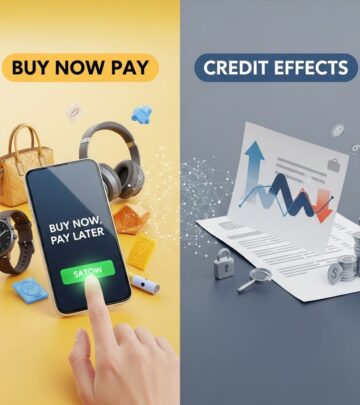
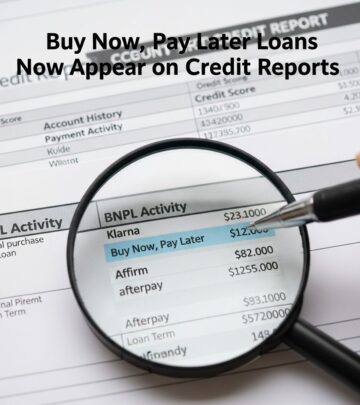
BNPL’s credit effects vary. Positive payments rarely build history, as most don’t report to bureaus. Negatives do: misses trigger reports, hurting scores. With multiples, one slip across providers compounds damage. Recent shifts see some like Affirm reporting, but inconsistency persists.
Regulatory Oversight and Consumer Protections
BNPL faces growing scrutiny. Unlike cards under Truth in Lending Act, many plans skirt full disclosures. Regulators push for transparency on fees and stacking risks. Returns complicate matters—disputes may not pause payments, leaving users liable.
Fewer protections mean less recourse for faulty goods versus credit cards’ billing disputes.
Practical Tips for Managing Multiple BNPL Accounts
Success demands strategy. Follow these to harness benefits minus pitfalls:
- Cap Total Exposure: Limit monthly payments to 20-30% of income, viewing all plans holistically.
- Centralize Tracking: Use apps or spreadsheets for due dates, alerts enabled.
- Align with Paydays: Time purchases to match inflows, avoiding clusters.
- Buffer Your Account: Keep extra funds against overdrafts from auto-pays.
- Review Statements: Monitor for fees; contact providers early on issues.
- Prioritize High-Risk Plans: Pay interest-bearing or longer-term first.
Tools like banking apps with early direct deposit aid timing.
Comparing BNPL Providers: A Quick Guide
| Provider | Typical Terms | Fee Structure | Credit Reporting |
|---|---|---|---|
| Affirm | Pay-in-4 or longer | Late fees possible | Yes, both ways |
| Klarna | Pay-in-4 / Pay-in-30 | Late fees | Negatives mainly |
| Afterpay | Pay-in-4 | Late fees cap | Selected markets |
| Sezzle | Pay-in-4 | Late fees | Opt-in positive |
Choose based on merchant, terms, and reporting policies.
Alternatives to Heavy BNPL Reliance
If multiples overwhelm, consider:
- Credit cards with 0% intro APR for planned buys.
- Debit with rewards to avoid debt.
- Savings for big purchases, fostering discipline.
- Personal loans for transparency.
BNPL suits occasional use, not substitutes for budgeting.
Real User Experiences and Lessons Learned
Shoppers report freedom from multiples for diverse shopping but regret payment pileups. One common tale: holiday splurges led to January fee cascades. Proactive tracking turns stories positive.
Future of BNPL: Trends to Watch
Expect unified dashboards, better underwriting, and regulation. Deloitte notes rising challenges as adoption grows. Users benefit from informed choices amid evolution.
Frequently Asked Questions (FAQs)
Is it legal to have multiple BNPL accounts?
Yes, no laws prohibit it, but providers may limit based on behavior.
Do BNPL accounts affect my credit score?
Usually not positively; negatives from misses do.
What fees should I expect?
Late fees ($7-10 typical), NSF charges; no interest on short plans.
Can BNPL cause bank account issues?
Yes, overdrafts from auto-payments.
Should I use BNPL for essentials?
Avoid; reserve for non-essentials with repayment plans.
References
- Risks and Advice for Buy Now, Pay Later Borrowers — National Consumer Law Center (NCLC). 2025-05-19. https://www.nclc.org/resources/risks-and-advice-for-buy-now-pay-later-borrowers/
- Buy Now, Pay Later – The Financial Risks You Should Know — Northwest Bank. Recent (2023+). https://www.northwest.bank/news-insights/buy-now-pay-later-the-financial-risks-you-should-know/
- Benefits and Risks of Buy Now Pay Later Plans — MIT Federal Credit Union. Recent. https://www.mtfcu.coop/benefits-and-risks-of-buy-now-pay-later/
- Avoid the Risks of Having Multiple Buy Now, Pay Later Loans — Entrepreneur. 2022-10 (relevant insights). https://www.entrepreneur.com/business-news/avoid-the-risks-of-having-multiple-buy-now-pay-later-loans/419817
- 9 Reasons to Rethink Buy Now, Pay Later — U.S. Senate Federal Credit Union. Recent. https://www.ussfcu.org/media-center/senate-cents-a-financial-wellness-blog/blog-detail.html?title=9-reasons-to-rethink-buy-now-pay-later-this-summer-ussfcu
- Buy Now Pay Later Risks and Rewards — Deloitte US. Recent. https://www.deloitte.com/us/en/services/consulting/articles/buy-now-pay-later-risk.html
Similar Articles








Read full bio of medha deb