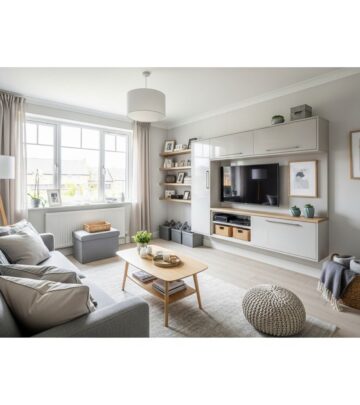
Multigenerational Homes: 6 Essential Steps For Success
Discover the benefits, challenges, and smart strategies for buying and thriving in a multigenerational home with your family.

Multigenerational homes bring multiple family generations under one roof, offering economic relief and emotional closeness amid rising housing costs and aging populations. This arrangement splits expenses and provides built-in support, though it demands careful planning to avoid conflicts.
Why Families Choose Multigenerational Living Today
High home prices, stagnant wages, and longer lifespans drive families to pool resources in shared homes. Younger adults struggle with down payments, while seniors seek affordable care alternatives to nursing facilities. This setup cuts per-person housing costs and fosters daily family interactions, from shared meals to childcare assistance.
Communal living restores purpose for elders facing isolation and eases burdens for working parents. In tight real estate markets, larger properties become viable when costs are divided, making homeownership accessible across generations.
Key Advantages of Shared Family Homes
Multigenerational setups yield substantial benefits, particularly in finances and relationships.
- Financial Efficiency: Splitting mortgage, utilities, taxes, insurance, and maintenance halves individual outlays compared to separate residences. Families build equity faster through collective payments.
- Emotional Bonds: Daily proximity combats loneliness for grandparents, enriches child-rearing with intergenerational wisdom, and creates lasting memories through games, cooking, and routines.
- Caregiving Support: Elders receive help with daily tasks like yard work or medical needs without institutional care costs, preserving dignity and independence via private suites.
- Task Sharing: Dividing chores—cleaning, repairs, childcare—lightens loads and instills responsibility in all members.
- Cultural Continuity: Immigrant families reconnect with heritage traditions through lived experiences.
Potential Drawbacks and How to Mitigate Them
While rewarding, multigenerational homes present hurdles like reduced personal space and interpersonal friction.
| Challenge | Impact | Solution |
|---|---|---|
| Privacy Loss | Limited alone time strains independents used to solo living. | Design private suites with separate entrances; enforce ‘me time’ schedules. |
| Increased Noise | Children’s play, teen gatherings disrupt quiet. | Set noise rules by time/zone; soundproof areas. |
| Extra Chores | Larger messes demand more cleaning/laundry. | Rotate duties via chore charts for fairness. |
| Family Conflicts | Money, parenting, habits spark tensions. | Pre-establish ground rules; hold regular meetings. |
| Renovation Needs | Aging-in-place mods like ramps add expenses. | Budget jointly; plan upgrades ahead. |
Stress affects 40% occasionally and 23% frequently in these homes, underscoring proactive management.
Essential Home Features for Multi-Generational Success
Target properties with adaptable layouts to balance togetherness and autonomy.
- Private Primary Suites: In-law quarters with full baths, kitchens, and entrances for elder independence.
- Open Communal Areas: Kitchens, living rooms for bonding without intrusion.
- Accessibility Upgrades: Wide doors, zero-step entries, stairlifts for mobility.
- Flexible Spaces: Offices, playrooms convertible for changing needs.
- Outdoor Zones: Patios for gatherings, gardens for light tasks.
Detached accessory dwelling units (ADUs) maximize separation while staying on-site.
Financial Strategies for Purchasing a Family Compound
Affordability hinges on smart funding approaches.
- Joint Mortgages: Multiple incomes boost qualification; all sign for shared liability.
- Equity Leverage: Parents tap home equity via cash-out refinances for down payments.
- FHA Loans: Low-down-payment options for multi-gen homes with in-law suites.
- Cost Projections: Factor renovations ($50K+ for suites) and ongoing shares.
Pre-qualify collectively to gauge borrowing power; consult lenders on multi-borrower rules.
Navigating Legal and Zoning Hurdles
Regulations vary; verify compliance early.
- Zoning Checks: Confirm allowances for ADUs or multi-family conversions; some ban secondary units.
- Property Setbacks: Ensure lot size permits expansions without violations.
- HOA Rules: Review covenants for occupancy limits.
- Permits: Secure for mods like ramps; budget inspections.
Engage local planners; some areas incentivize aging-in-place builds.
Setting House Rules for Long-Term Harmony
Open dialogues craft sustainable guidelines.
- Finances: Detail contributions (e.g., 40% mortgage from adults, 20% utilities from elders).
- Chores: Weekly rotations posted visibly.
- Boundaries: Knock policies, guest limits, quiet hours.
- Parenting: Unified approaches to avoid mixed signals.
- Conflict Resolution: Monthly check-ins; neutral mediator if needed.
Document agreements; revisit annually as dynamics shift.
Real-Life Insights from Multigenerational Households
Families report mixed outcomes: one incurred $75K debt for parental support but valued health proximity. Success demands separate spaces and upfront rules to curb privacy strains.
Frequently Asked Questions
Are multigenerational homes cheaper long-term?
Yes, shared costs reduce individual expenses by 30-50%, offsetting potential renos.
How do I finance with family?
Combine incomes for larger loans; use parental equity for down payments.
What if family conflicts arise?
Enforce pre-set rules and communication protocols from day one.
Can I add an in-law suite?
Check zoning; many localities now permit ADUs for elder care.
Is this ideal for seniors?
Often yes, providing support without full care facilities, though privacy matters.
Steps to Launch Your Multigenerational Home Search
- Discuss motivations and rules with all parties.
- Assess budgets and pre-qualify jointly.
- Research zoning and target suited properties.
- Inspect for adaptability (suites, access).
- Finalize agreements in writing.
- Plan move-in with phased adjustments.
This model suits diverse families prioritizing affordability and unity over solitude.
References
- The Pros and Cons of Living in a Multigenerational Household — Homes.com. 2023. https://www.homes.com/learn/pros-cons-multigenerational-household/
- Pros and Cons of Multigenerational Homes — HiLine Homes. 2023. https://hilinehomes.com/multigen/pros-and-cons-of-multigenerational-homes-is-multigenerational-living-right-for-you/
- Multigenerational Households: The Ins and Outs of In-law Suites — AgingCare.com. 2023. https://www.agingcare.com/articles/in-law-suites-179538.htm
- My Parents Lived With Us for Many Years. There Were Pros and Cons — Business Insider. 2025-02. https://www.businessinsider.com/multigenerational-living-pros-cons-parents-health-2025-2
- The Best—and Worst—Aspects of Multigenerational Living — Realtor.com. 2023. https://www.realtor.com/news/trends/pros-and-cons-multigenerational-living/
- What Studies Tell Us About Multigenerational Housing — Walden University. 2023. https://www.waldenu.edu/online-masters-programs/master-of-public-administration/resource/what-studies-tell-us-about-multigenerational-housing
Similar Articles








Read full bio of Sneha Tete