Guide to Purchasing Multi-Unit Residential Properties
Master the essentials of buying multi-unit homes for investment or living

Multi-unit residential properties represent a compelling opportunity for both first-time homebuyers seeking affordability and experienced investors looking to generate rental income. Whether you’re considering a duplex, triplex, or larger complex, understanding the nuances of purchasing these properties is essential for making an informed decision. This comprehensive guide walks you through the entire process, from initial financial planning to closing day.
Understanding Multi-Unit Property Categories
Multi-unit residential properties come in various configurations, each with distinct characteristics and ownership structures. Recognizing these differences helps you identify which property type aligns with your financial goals and lifestyle preferences.
Common Property Types
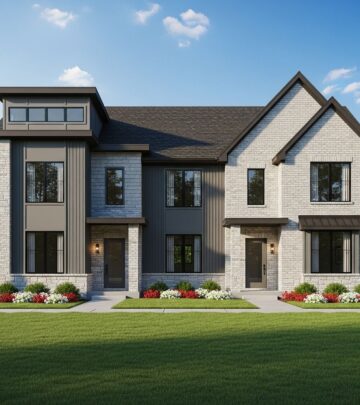
- Townhouses and Row Houses: These properties feature individual units connected by common walls, offering more privacy than traditional apartments while maintaining lower costs than single-family homes. Owners typically purchase the individual unit rather than the entire building.
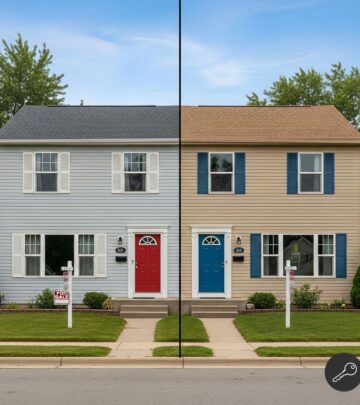
- Semi-Detached Residences: Consisting of two units sharing a common wall, semi-detached properties provide additional indoor and outdoor space compared to townhouses. This format appeals to buyers seeking moderate housing costs without full single-family expenses.
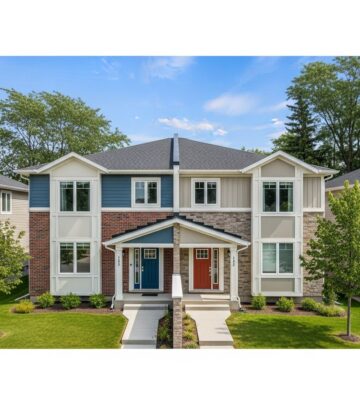
- Duplexes: A duplex comprises two separate housing units within one structure, typically managed by a single owner who rents one or both units. This format provides straightforward income generation for investors.
- Triplexes and Fourplexes: These buildings contain three or four residential units respectively, arranged either side-by-side or in vertical stacking. These properties maximize income potential while remaining within conventional financing ranges.
Financial Preparation and Affordability Assessment
Before beginning your property search, establish a clear understanding of your financial capacity. This foundational step prevents overextending yourself and ensures sustainable long-term ownership.
Key Financial Considerations
- Analyze your current income streams and monthly expenses to determine realistic mortgage payment capacity
- Calculate anticipated down payment amounts, which vary significantly based on property type and financing method
- Account for closing costs, typically ranging from 2-5% of the purchase price
- Budget for necessary renovations or repairs identified during property inspection
- For investment properties, factor in projected rental income and account for potential vacancy periods
- Reserve funds for ongoing maintenance, property management, insurance, and unexpected repairs
For investment-focused purchases where you won’t occupy a unit, lenders typically require minimum down payments of 25%, substantially higher than owner-occupied scenarios. This requirement reflects the increased risk profile of non-owner-occupied investments.
Navigating Financing Options
Multiple financing pathways exist for multi-unit properties, each with distinct requirements and advantages. Understanding these options enables you to select the most advantageous loan structure for your circumstances.
Loan Types Available
| Loan Type | Primary Features | Ideal For |
|---|---|---|
| Conventional Loans | Traditional financing through banks and lenders; typically 15-20% down payment required | Borrowers with strong credit and stable income |
| FHA Loans | Government-backed mortgages; lower down payments (3.5%); requires owner-occupancy; 500+ credit score minimum | Owner-occupants buying 2-4 unit properties with limited down payment savings |
| VA Loans | Available to eligible military members and veterans; no down payment required; competitive interest rates | Veterans and active military personnel meeting eligibility requirements |
| Commercial Loans | Specialized financing for larger properties; typically required for 5+ units | Investment properties and larger multifamily complexes |
FHA Loan Requirements for Multi-Unit Properties
FHA financing presents an attractive option for owner-occupants purchasing smaller multifamily properties. To qualify, you must meet several criteria including maintaining a minimum credit score of 500, planning to inhabit one of the units as your primary residence, and maintaining cash reserves equivalent to three months of principal, interest, taxes, and insurance payments for properties containing three or four units. This reserve requirement demonstrates your financial stability and ability to cover mortgage obligations during income disruptions.
Property Selection and Evaluation Framework
Selecting the right property requires systematic evaluation across multiple dimensions. A comprehensive assessment prevents costly mistakes and identifies properties with strong growth potential and reliable income generation.
Location Analysis
Location fundamentally determines both property value and rental demand. Properties in desirable locations attract higher-quality tenants, support premium rental rates, and experience stronger appreciation. Evaluate these location factors:
- Walkability and proximity to public transportation, particularly in urban environments
- Quality ratings of local school districts, even if you don’t have children
- Crime statistics and neighborhood condition indicators
- Accessibility to employment centers, shopping districts, and entertainment venues
- Overall neighborhood trajectory and investment trends
High-growth neighborhoods with strong demand, well-maintained properties, and limited vacancy rates represent superior investment opportunities. These markets typically sustain higher rental income and stronger property value appreciation.
Building Condition and Physical Attributes
Thorough physical evaluation reveals the property’s true condition and identifies necessary expenditures. During property assessment, investigate:
- Total number of units and configuration of each unit’s rooms and living spaces
- Age and condition of critical systems including electrical, plumbing, heating, and cooling infrastructure
- Window quality, insulation effectiveness, and weatherization condition
- Evidence of water damage, mold, pest infestation, or structural deficiencies
- Available amenities and how they compare to similar properties in the market
- Property’s sales history, including frequency of ownership changes and price trends
Properties requiring extensive immediate repairs may strain your financial resources despite attractive purchase prices. Prioritize properties in good condition located in strong neighborhoods over distressed properties requiring substantial investment.
Income Generation Potential
For investment-focused purchases, accurately projecting rental income is critical. Research local rental market rates using online platforms and comparable property analysis. The 50% rule provides a useful initial screening tool: assume operating expenses consume 50% of gross rental income, with the remaining 50% available for mortgage payments and profit. While actual expenses vary, this conservative estimate helps identify properties with adequate cash flow potential.
The Acquisition Process
Successfully purchasing a multi-unit property requires following a structured process with multiple decision points and professional consultations.
Step-by-Step Process
- Assess Financial Readiness: Complete a thorough financial review to determine affordable purchase price and down payment amount.
- Select Financing Strategy: Compare loan products from multiple lenders, evaluating interest rates, terms, and requirements. Obtain mortgage preapproval to strengthen your offer position.
- Begin Property Search: Utilize online listing services, work with experienced real estate agents, explore multiple listing services, and investigate for-sale-by-owner properties.
- Evaluate Candidates: Conduct thorough analysis of promising properties using location, building condition, and income criteria.
- Make Offer and Negotiate: Submit competitive offers with contingencies protecting your interests, then negotiate terms with sellers.
- Obtain Professional Inspection: Hire qualified inspectors to evaluate property condition and identify necessary repairs or replacements.
- Secure Final Financing: Complete the loan application, provide requested documentation, and lock in final terms.
- Close Transaction: Review closing documents, fund your down payment, receive keys, and officially take ownership.
Lifestyle and Operational Considerations
Beyond financial metrics, owning multi-unit property involves personal considerations affecting long-term satisfaction and success.
Important Questions for Prospective Owners
- How comfortable are you with the number of units in your prospective building?
- What level of privacy is essential for your household?
- What outdoor space requirements matter most to your lifestyle?
- Are you prepared for landlord responsibilities including tenant communication and issue resolution?
- Do you possess the time and resources for ongoing property maintenance and management?
- What’s your timeline for achieving return on investment?
- How would vacancy or tenant issues affect your financial stability?
Finding Properties and Working with Professionals
Accessing properties and obtaining expert guidance significantly improves your purchasing outcomes. Multiple resources facilitate property discovery while professional advisors protect your interests throughout the process.
Property Discovery Resources
- Multiple Listing Services (MLS) providing comprehensive local inventory
- Online real estate platforms and property marketplaces
- For-sale-by-owner listings for potentially negotiable opportunities
- Real estate auctions featuring distressed or bank-owned properties
- Local real estate agents specializing in investment properties
Engaging Professional Support
Working with experienced professionals streamlines your purchase and protects your financial interests. A knowledgeable real estate agent familiar with your local market provides invaluable guidance regarding property values, neighborhood trends, and market timing. Real estate attorneys ensure documentation accuracy and protect your rights during closing. Insurance brokers help identify appropriate coverage for your property type and situation, particularly important given escalating insurance costs. These professional relationships, while adding to your closing costs, ultimately save money by preventing costly mistakes.
Cost Reality and Financial Planning
Ownership costs extend substantially beyond mortgage payments. Realistic budgeting for these expenses prevents financial strain and ensures sustainable ownership.
Anticipated Expenses
- Routine maintenance and preventive repairs
- Emergency repairs including system failures or unexpected damage
- Property management services if not self-managing
- Homeowners association fees if applicable
- Property insurance and potential liability coverage
- Local property taxes
- Potential capital expenditures for aging systems
- Vacancy allowances during tenant turnover
Construction costs for new multi-unit properties vary dramatically by geography. Properties in high-cost areas command substantially higher prices than equivalent structures in lower-cost regions. Understanding your local market’s cost structure informs realistic purchase budgeting.
Getting Started with Multi-Unit Ownership
For investors and homebuyers beginning their multi-unit property journey, starting with smaller properties—duplexes, triplexes, and fourplexes—offers optimal balance between affordability and income potential. These property sizes remain within conventional financing reach while providing multiple income sources and manageable complexity. As your experience expands, larger properties become increasingly accessible and manageable.
Multi-unit property ownership represents a rewarding path to building equity, generating income, and establishing yourself in real estate. By thoroughly understanding financial requirements, evaluating properties systematically, and engaging qualified professionals, you position yourself for successful ownership that aligns with your long-term objectives.
Frequently Asked Questions
What down payment is required for investment multifamily properties?
Investment properties typically require minimum 25% down payments, significantly higher than owner-occupied properties which may require as little as 3.5% with FHA financing or 0% with VA loans.
Can I get an FHA loan for a multifamily property?
Yes, FHA loans are available for 2-4 unit owner-occupied properties with a minimum 500 credit score and cash reserves equivalent to three months of PITI payments for 3-4 unit properties.
What property types are considered multifamily homes?
Multifamily properties include townhouses, semi-detached homes, duplexes, triplexes, fourplexes, and larger apartment complexes with multiple residential units.
How do I evaluate rental income potential?
Research comparable rental rates in your area using online platforms, then apply the 50% rule (assuming 50% of gross rent covers operating expenses) to estimate net income potential.
What factors matter most when selecting a multifamily property?
Location, building condition, unit count, neighborhood trajectory, amenities, and income generation potential are critical evaluation criteria. Location particularly influences tenant availability and rental rates.
References
- Buying a Multifamily Home: A Beginner’s Guide — LendingTree. 2024. https://www.lendingtree.com/home/mortgage/what-you-need-to-know-about-buying-a-multifamily-home/
- What to Consider When Buying a Multifamily Property — YOLO FCU. 2024. https://www.yolofcu.org/resources/what-to-consider-when-buying-a-multifamily-property
- What to Consider Before Purchasing a Multi-Family Home — Rockland Trust. 2024. https://www.rocklandtrust.com/homeownership-and-homebuying/what-to-consider-before-purchasing-a-multi-family-home
- What to Look for When Buying Multifamily Property — J.P. Morgan. 2024. https://www.jpmorgan.com/insights/real-estate/commercial-term-lending/what-to-look-for-when-buying-multifamily-property
- Investing 101: How to buy multifamily property — Rocket Mortgage. 2024. https://www.rocketmortgage.com/learn/multifamily-homes
- Guide to Buying an Owner-Occupied Multifamily Home — NAR. 2024. https://lookforther.realtor/finances-taxes/financing/is-an-owner-occupied-multifamily-home-right-for-you/
Similar Articles








Read full bio of Sneha Tete