MP on a Check: Understanding Microprint Security
Discover what MP means on your checks and how microprint protects against fraud.
What Does MP Mean on a Check?
If you’ve examined your personal checks closely, you may have noticed the mysterious letters “MP” printed near the signature line. These two small letters stand for “Microprint,” a sophisticated security feature that banks incorporate into checks to combat fraud and counterfeiting. Understanding what MP means on your check is an important part of recognizing legitimate financial documents and protecting yourself from check-related scams.
The presence of “MP” on your check serves as a visual indicator that your banking institution has invested in enhanced security measures. Rather than being someone’s initials or a random mark, MP is a deliberate notation that signals the use of microprinting technology—a proven anti-fraud mechanism that has become increasingly common among financial institutions in the United States and abroad.
Understanding Microprinting Technology
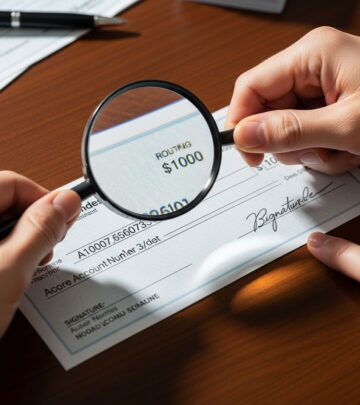
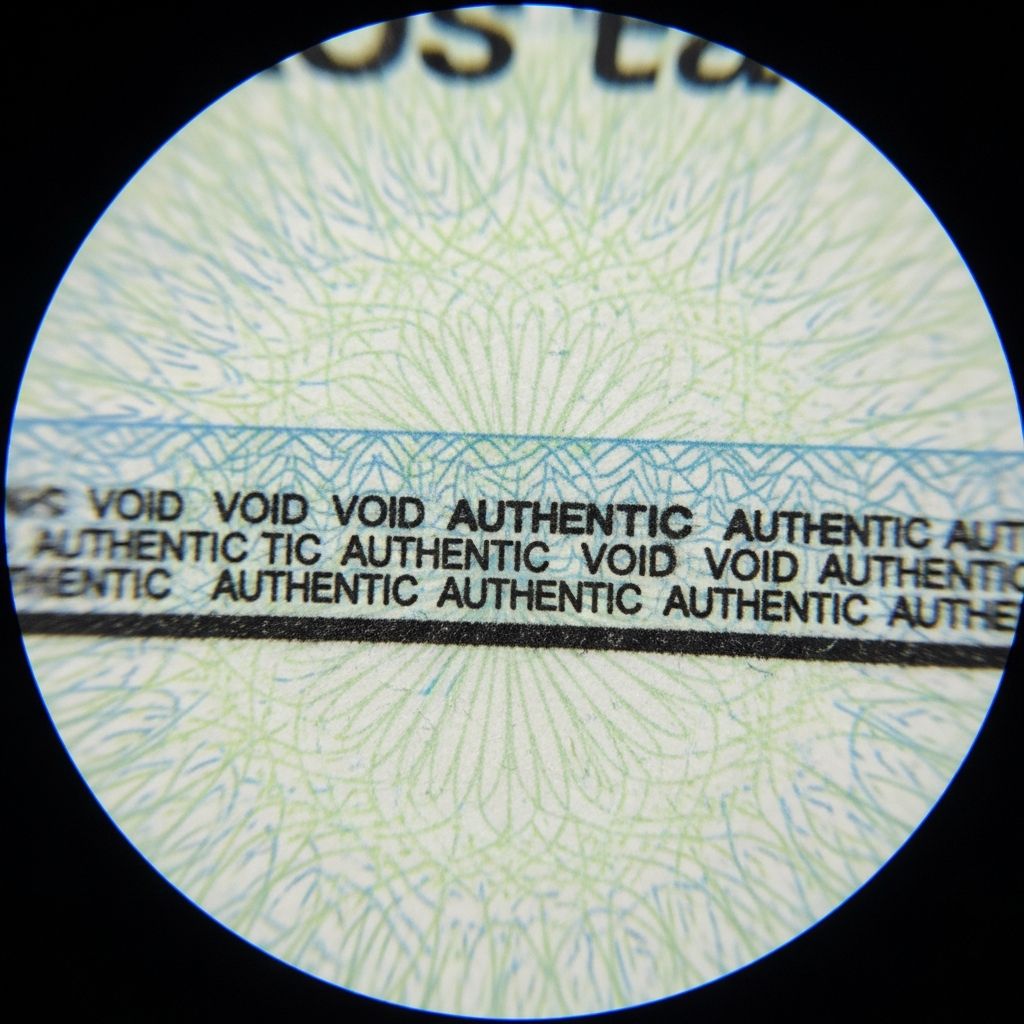
Microprinting is an advanced security feature that involves printing extremely small text or patterns that are virtually invisible to the naked eye. These microscopic words are typically printed directly onto areas of the check where counterfeiting is most likely to occur, particularly along the signature line. The text is so small that you would need a magnifying glass to read it clearly.
When printed on checks, the microprinted text commonly includes words such as “AUTHORIZED SIGNATURE,” “MICROPRINT SECURITY,” “ORIGINAL DOCUMENT,” or simply “GENUINE.” On federal checks issued by U.S. agencies, the microprinting may display the agency’s name, “USA,” or “UNITED STATES OF AMERICA.” Additionally, the endorsement line on the back of all U.S.-issued checks contains microprinting that reads “USAUSAUSA” to prevent tampering and unauthorized duplication.
Why Banks Use the MP Designation
Not all personal checks include microprinting as a security feature. Because checks with microprinting are more expensive to produce than standard checks, banks don’t always automatically provide them to all customers. However, when a financial institution does invest in this security feature, they need a way to communicate this to other banks and financial entities that may process the check.
By adding “MP” next to the signature line, banks signal to receiving institutions that the check should be examined more closely under magnification if there’s any question about its authenticity. This notation essentially tells other financial professionals: “This check has microprinting—look for it if you need to verify genuineness.” This system allows banks to quickly identify which checks have enhanced security without requiring extensive verification procedures for every transaction.
How Microprinting Prevents Check Fraud
The Challenge of Check Security
Checks present a unique security challenge compared to currency. While the U.S. Treasury can use special paper, inks, and materials that consumers cannot easily replicate, checks are designed to be used once and only once, making them more vulnerable to fraud. Counterfeiters cannot simply purchase the same secure materials that the government uses for currency production, but check forgery remains a concern that requires proactive prevention measures.
How Microprinting Works
Microprinting addresses this vulnerability by creating a security feature that is extremely difficult to reproduce with standard office equipment. The microscopic text appears as part of what looks like a simple line on the check—typically on the signature line itself. However, when examined under magnification, this seemingly ordinary line reveals itself to be composed entirely of tiny words that form a complex pattern.
The beauty of this technology is that it requires specialized equipment to reproduce accurately. A would-be counterfeiter attempting to photocopy or scan a check with microprinting would find that the microprinted text becomes blurry or indecipherable in the reproduction. This makes it clear to banking professionals that the document is not authentic, effectively preventing the fraudulent check from being processed.
Identifying Microprint on Your Check
Visual Indicators
While you may not be able to see microprinting with the naked eye, there are several ways to confirm its presence on your checks:
Look for the MP notation: The most obvious indicator is the “MP” marking printed next to the signature line. If you see these letters, you can be confident that your check includes microprinting.
Examine the signature line closely: On checks with microprinting, the signature line may appear slightly different from other lines on the check. It might seem thinner, slightly blurry, or have a different texture compared to the standard printed lines.
Use magnification: If you have access to a magnifying glass or magnifying lens, you can view the microprinted words directly. Under magnification, the words will become clearly visible, confirming the presence of this security feature.
Understanding Check Features
Microprinting is just one component of comprehensive check security. A complete personal check typically includes several other security elements:
- Special security printing that makes reproduction difficult
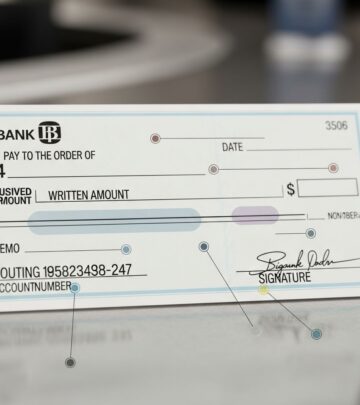
- A unique check number in both MICR (Magnetic Ink Character Recognition) and standard format
- The bank’s routing number and your account number printed in magnetic ink
- Security borders or background patterns that are difficult to replicate
- Your personal information in the upper left corner
- The check number repeated in multiple locations for verification purposes
The Importance of Check Security Features
Protecting Against Fraud
Check fraud remains a significant concern in the banking industry. According to industry standards, check fraud costs banks and businesses billions of dollars annually. Microprinting serves as a critical layer of defense against this threat by making it nearly impossible for criminals to successfully counterfeit checks without detection.
The Check Payment Systems Association (CPSA) recommends the use of MP microprinting on all checks, recognizing its effectiveness as an anti-fraud measure. Many check printing companies now include this feature as a standard security component, particularly for business and personal checks where higher fraud risk is present.
Benefits for Financial Institutions
Microprinting provides several advantages for banks and financial institutions:
- Rapid authentication: Bank employees can quickly verify check authenticity
- Clear communication: The MP designation communicates security status immediately
- Fraud detection: Counterfeit checks reveal blurry or missing microprinting under scrutiny
- Customer protection: Enhanced security features protect depositors from unauthorized use
- Loss prevention: Reduces the financial impact of check fraud on the institution
Other Security Elements Found on Checks
While microprinting is an important security feature, modern checks incorporate multiple layers of protection. Understanding these features can help you recognize legitimate checks and identify potential forgeries.
MICR Technology: The numbers at the bottom of your check (your account number, routing number, and check number) are printed using Magnetic Ink Character Recognition. This special magnetic ink allows banking machines to read and process checks automatically, and the specific ink composition makes it difficult to alter.
Security Printing: Many checks feature elaborate background patterns, watermarks, or security threads that are extremely difficult to reproduce with standard copying equipment. These visual elements serve as immediate indicators of authenticity.
Color-shifting Elements: Some premium checks include color-shifting inks or holographic elements that change appearance when viewed from different angles, adding another layer of protection against counterfeiting.
What to Do if Your Checks Don’t Have Microprinting
If you’ve reviewed your personal checks and noticed that they don’t have the “MP” designation, this simply means your financial institution chose not to include this particular security feature on your checks. This is perfectly normal—not all banks provide microprinting on every account, particularly for basic personal checking accounts.
However, if you’re concerned about check security or frequently write checks for significant amounts, you may want to consider requesting checks with enhanced security features. Many banks can upgrade your check order to include microprinting and other advanced security measures. Contact your bank to learn about available options and any associated costs.
How to Write Secure Checks
Beyond choosing checks with microprinting, you can take additional steps to protect yourself when writing checks:
- Always use official checks from your bank—never write checks on blank paper or informal documents
- Fill out all check information completely and accurately before signing
- Write the payee name in full rather than using nicknames or abbreviated forms
- Include the numeric amount in the box and write out the amount in words on the line below
- Always sign checks—never provide a blank, unsigned check to anyone
- Keep your checkbook secure and store unused checks in a safe location
- Monitor your bank account regularly for any unauthorized check withdrawals
Global Microprinting Implementation
Microprinting security is not limited to the United States. Financial institutions worldwide have adopted this technology to protect their financial instruments. For example, central banks in various countries incorporate microprinting into their currency and official documents. The Australian Reserve Bank famously included microprinting on its banknotes, featuring poetic content that added both security and cultural significance to the currency.
International standards and recommendations for check security increasingly include microprinting as a baseline requirement, reflecting the global recognition of this technology’s effectiveness in preventing fraud and counterfeiting.
Frequently Asked Questions
Q: Is microprinting mandatory on all personal checks?
A: No, microprinting is not mandatory. Banks and check printing companies use it as an optional security feature. While the Check Payment Systems Association recommends it, financial institutions decide whether to include it based on their security policies and cost considerations. You can request checks with microprinting if it’s important to you.
Q: Can I see microprinting without magnification?
A: Microprinting is specifically designed to be invisible or barely perceptible to the naked eye. This is what makes it an effective security feature. However, you can see the “MP” designation near the signature line, and under a magnifying glass, the microprinted text becomes clearly visible. The whole point is that it should be difficult for casual observation but easy to verify for banking professionals.
Q: What happens if someone tries to counterfeit a check with microprinting?
A: When a check with microprinting is photocopied or scanned by a counterfeiter, the microprinted text typically becomes blurry, distorted, or disappears entirely. Banking professionals trained to recognize authentic checks will immediately identify the missing or degraded microprinting as a sign of fraud, causing the check to be rejected and the fraudster to potentially face legal consequences.
Q: Does microprinting add significantly to the cost of checks?
A: Yes, checks with microprinting are more expensive to produce than standard checks because they require specialized printing equipment and materials. However, the cost difference is typically modest—often just a few cents per check. Many banks absorb this cost as part of their security investment, though some may pass the cost on to customers who specifically request this feature.
Q: How can I tell if a check is counterfeit?
A: Several indicators can help identify a counterfeit check: missing or blurry microprinting when examined under magnification, poorly printed text or numbers, incorrect routing or account numbers, unusual paper quality, missing security features like watermarks or security threads, and inconsistencies in the bank’s logo or information. When in doubt, contact your bank directly to verify the check’s authenticity before processing it.
Q: Should I be concerned if my checks don’t have MP marked?
A: Not necessarily. While microprinting is a valuable security feature, it’s not the only protection against fraud. Your checks may have other security features, and modern banking systems include multiple verification steps. However, if you want additional protection, you can contact your bank to order checks with microprinting and other enhanced security features for slightly higher cost.
References
- How To Explain The Parts Of The Check — Online Check Writer. 2024. https://onlinecheckwriter.com/how-to-explain-the-parts-of-the-check/
- Who is MP and Why Are His Initials on My Checks? — Now I Know. https://nowiknow.com/who-is-mp-and-why-are-his-initials-on-my-checks/
- Microprinting: What is Microprint on a Check? — AU10TIX. https://www.au10tix.com/blog/microprint/
- Parts of a Check You Must Know to Write Checks — PostGrid. https://www.postgrid.com/parts-of-a-check/
- Breaking Down the Parts of a Check — Lake Forest Bank & Trust. 2023-03. https://www.lakeforestbank.com/articles/2023/03/breaking-down-the-parts-of-a-check.html
- Microprinting — Wikipedia. https://en.wikipedia.org/wiki/Microprinting
- Security Features — Pyramid Checks & Printing. https://www.pyramidchecks-printing.com/docs/securityfeatures.pdf
Similar Articles








Read full bio of Sneha Tete