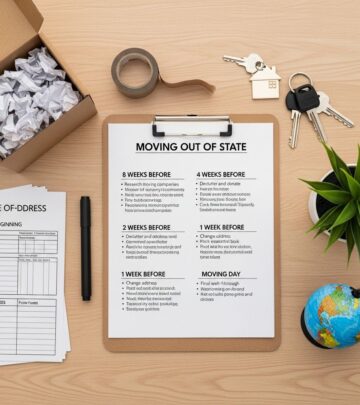
Reduce the Financial Stress of Moving to a New City: A Checklist
Moving to a new city doesn't have to drain your savings. Follow this comprehensive checklist to minimize costs and maximize your fresh start.

Moving to a new city promises excitement and new opportunities, but it often comes with hefty financial demands that can deplete your savings. With careful planning and smart strategies, you can significantly cut costs and make the transition smoother. This comprehensive checklist covers every stage from preparation to settling in, drawing on proven tips to keep expenses low while ensuring a successful move.
Why Moving Costs Add Up So Quickly
The average cost of moving to a new city ranges from $1,500 to $5,000 for a local move and up to $10,000 or more for long-distance relocations, depending on distance, home size, and services used. Hidden fees like packing supplies, storage, and travel expenses quickly escalate totals. Remote work trends post-2020 have spurred over 1.2 million Americans to relocate from urban areas to more affordable spots, often driven by rising housing costs and lifestyle shifts. By addressing these upfront, you can save thousands.
Step 1: Create a Realistic Moving Budget
Start with a detailed budget to track every expense. List categories like transportation, housing deposits, utilities setup, and initial living costs. Use free tools like spreadsheets or apps such as Mint or YNAB to monitor spending.
- Estimate moving truck rental: $200–$1,000 based on size and distance.
- Packing supplies: $100–$300; source free boxes from local stores or Craigslist.
- Travel and gas: Calculate via Google Maps for fuel costs.
- Temporary housing: Budget for 1–2 weeks if needed, around $500–$1,500.
- Unexpected fees: Add 10–20% buffer for surprises.
A sample budget table for a solo mover to a city 500 miles away:
| Category | Estimated Cost | Tips to Save |
|---|---|---|
| Moving Truck | $600 | Rent mid-week for discounts. |
| Packing Materials | $150 | Collect free boxes. |
| Gas/Fuel | $200 | Drive efficiently, share rides. |
| Housing Deposit | $1,200 | Negotiate with landlords. |
| Food/Incidentals | $300 | Pack non-perishables. |
| Total | $2,450 | Potential Savings: $800 |
Prioritize essentials and cut non-essentials like eating out during the move.
Step 2: Declutter and Sell Unwanted Items
Less stuff means lower moving costs. Go room by room to declutter, aiming to reduce volume by 30–50%.
- Donate: Give to Goodwill or local shelters for tax deductions up to $500 annually.
- Sell online: Use Facebook Marketplace, OfferUp, or garage sales to earn $500–$2,000 back.
- Recycle: Handle electronics and appliances properly to avoid fees.
One family reported earning $1,200 by selling furniture before a cross-state move, covering half their truck rental. This not only saves money but lightens the load for easier transport.
Step 3: Choose the Cheapest Moving Options
DIY moves beat professional services for savings. Compare options:
| Option | Cost Range | Pros | Cons |
|---|---|---|---|
| DIY Truck Rental (U-Haul) | $300–$1,200 | Full control, cheapest. | Physical labor required. |
| Portable Containers (PODS) | $1,000–$3,000 | Flexible delivery. | Storage fees add up. |
| Full-Service Movers | $2,000–$10,000 | Hassle-free. | Most expensive. |
| Freight Trailer | $500–$1,500 | Good for bulky items. | Drop-off logistics. |
Book 4–8 weeks ahead for 20–30% discounts. Enlist friends for a moving party with pizza incentives.
Step 4: Research Affordable Housing in Your New City
Housing eats the biggest chunk of relocation budgets. Use sites like Zillow, Apartments.com, and local Craigslist for deals.
- Target suburbs: Often 20–40% cheaper than city centers with commutes under 30 minutes.
- Roommates: Split rent via Roommates.com; save $500+/month.
- Negotiate: Ask for first-month-free or reduced deposits in competitive markets.
- Cost of living calculator: Tools like NerdWallet show city comparisons—e.g., moving from NYC to Austin saves 45% on rent.
Visit virtually via tours and check neighborhood safety on CrimeGrade.org.
Step 5: Handle Utilities and Services Smartly
Transfer or set up utilities 2 weeks early to avoid overlaps.
- Compare providers: Bundle internet/cable/phone for $50–100 savings.
- Timing: Disconnect old services on move-out day, connect new on move-in.
- Deposits: Good credit waives $100–$200 fees.
Apps like Billshark negotiate lower rates automatically.
Step 6: Plan Your Travel and Temporary Stay
Fly cheap via Southwest or Spirit ($100–$300 roundtrip) if feasible, or drive to save on shipping a car ($500–$1,500).
- Pet-friendly options: Budget extra $200 for boarding or travel.
- Airbnb/Airbnb for stays: $40–$80/night vs. hotels.
Pack a ‘first-night box’ with essentials: toiletries, clothes, documents, snacks.
Step 7: Update Your Address and Finances
USPS change of address costs $1.10 online; do it 2 weeks prior. Notify banks, IRS, DMV immediately.
- Bank accounts: Avoid fees by choosing local credit unions.
- Insurance: Shop auto/home quotes; new city rates vary 15–30%.
Secure mail with PO Box if renting ($20/month).
Step 8: Make Friends and Network Affordably
Loneliness hits hard; build connections cheaply.
- Free events: Meetup.com groups, library classes.
- Volunteering: Sites like VolunteerMatch connect you community-wise.
- Apps: Bumble BFF, Nextdoor for locals; under $10/month premium.
- Work/hobbies: Join gyms or clubs with trial classes ($0–$20).
A fresh start thrives on community; small towns emphasize this, fostering bonds that enhance quality of life.
Step 9: Adjust to Lifestyle Changes in Your New City
New cities demand adaptation. Big-to-small moves mean slower paces, car dependency, home cooking over dining out.
- Transportation: Buy a used car ($5,000–$10,000) if public transit lags.
- Entertainment: Shift to outdoor activities, potlucks—save $200/month.
- Community involvement: Volunteer to integrate; expect reciprocal expectations.
Embrace slowing down for grounded living, but weigh if urban perks like variety suit you better.
Potential Pitfalls and How to Avoid Them
Common mistakes: Underbudgeting (add 20%), poor timing (peak summer costs 25% more), skipping research (hidden city fees). Test the city with a visit; consider job stability as remote work enables moves but ties to income.
Frequently Asked Questions (FAQs)
Q: How much does it cost to move to a new city alone?
A: For a 500-mile solo move, expect $1,500–$3,000 with DIY methods, focusing on truck rental and gas.
Q: What’s the cheapest way to move furniture long-distance?
A: Use freight services or ship via UPS/Greyhound for pods; sell bulky items and rebuy locally.
Q: How do I find cheap housing quickly?
A: Use Zillow filters for under-market rents, negotiate, consider short-term sublets.
Q: Are small cities always cheaper?
A: Often yes, with 20–50% lower costs, but research via calculators as taxes vary.
Q: How to make friends without spending much?
A: Leverage free Meetups, volunteering, and apps like Nextdoor.
Final Thoughts
Moving to a new city can transform your life affordably if planned right. By decluttering, budgeting rigorously, choosing DIY options, and adapting lifestyles, you’ll minimize stress and maximize savings. Whether chasing affordability or adventure, this checklist ensures a smooth launch into your next chapter.
References
- Five Questions To Consider Before Relocating To A Smaller City For An Affordable Lifestyle — The Penny Hoarder. 2023-05-15. https://community.thepennyhoarder.com/t/five-questions-to-consider-before-before-relocating-to-a-smaller-city-for-an-affordable-lifestyle/2936
- Reduce the Financial Stress of Moving to a New City: A Checklist — The Penny Hoarder. 2024-01-01. https://www.thepennyhoarder.com/save-money/moving-to-a-new-city/
- 10 Affordable Ways to Make Friends In a New City — Tiffani Sherman, The Penny Hoarder. 2022-08-11. https://www.moneytalksnews.com/author/tiffani-sherman/
Similar Articles








Read full bio of medha deb