Complete Move-Out Checklist for Landlords and Tenants
Essential move-out checklist guide for landlords and tenants to ensure smooth transitions and dispute prevention.

Moving out of a rental property can be a complex process that involves numerous responsibilities for both tenants and landlords. Whether you’re vacating an apartment or overseeing a tenant departure, a thorough move-out checklist helps ensure a smooth transition and protects everyone’s interests. This comprehensive guide covers all essential steps, from advance planning to final inspections, helping both parties navigate the end-of-tenancy process effectively.
Understanding Your Lease Agreement and Notice Requirements
Before initiating any move-out procedures, both tenants and landlords must carefully review the lease agreement to understand all obligations and requirements. The lease document outlines critical information including notice periods, security deposit terms, and cleaning expectations. Standard practice requires tenants to provide 30 days’ written notice before vacating the property, though this varies by jurisdiction and individual lease terms.
Submitting your notice to vacate form to your property manager or landlord within the specified timeframe is essential for avoiding penalties and legal complications. This formal notice should be submitted in writing and retained for your records. If landlords do not receive proper notice, they cannot adequately prepare the property for new tenants or pursue appropriate legal remedies.
Planning Your Move-Out Timeline
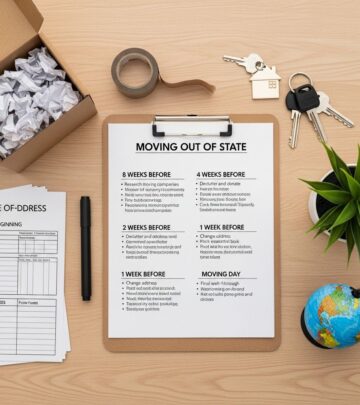
Successful move-outs require careful timing and coordination. Start planning at least 6 weeks before your intended move date. This advance preparation allows adequate time for scheduling inspections, arranging utilities, and completing necessary administrative tasks.
Schedule a move-out inspection consultation with your property manager approximately 6 weeks before your departure. This meeting establishes expectations and identifies any pre-existing damage or issues that won’t affect your security deposit. Document this discussion in writing and request confirmation via email.
Schedule your actual move-out date a couple of days before your lease officially expires. This timing provides adequate opportunity for comprehensive deep cleaning and any final preparations. Allow sufficient time between moving out and the final walkthrough inspection.
Financial Preparations and Obligations
Understanding Security Deposits vs. Last Month’s Rent
One of the most common sources of confusion during move-outs involves distinguishing between security deposits and last month’s rent. These are separate financial obligations with distinct purposes and regulations. Security deposits serve as protection against tenant damage beyond normal wear and tear, while last month’s rent is simply the final month’s housing payment.
Tenants should understand that landlords cannot automatically apply security deposits toward final rent payments. Similarly, landlords must follow specific state and local laws regarding security deposit handling, including timelines for return and itemized deduction explanations.
Utility and Service Transfers
Coordinate with utility companies such as electricity, gas, water, internet, and phone services. Provide a specific transfer or disconnect date that aligns with your move date. Contact providers at least 2-3 weeks before moving to schedule disconnections and avoid service overlaps or gaps.
For your new residence, contact utility providers in advance to understand any required deposits, transfer fees, and service availability. Request activation dates that ensure services are operational upon arrival. Document account numbers and final meter readings for your old property to ensure accurate billing.
Financial Planning for Unexpected Costs
Budget for potential expenses beyond your security deposit and final rent payment. These may include:
Remaining Balances: Verify with current utility providers regarding any outstanding balances or final bills due after disconnection.
Renter’s Insurance: If relocating to a different area, renter’s insurance premiums may change based on location, neighborhood crime rates, and local market conditions.
Vehicle Insurance: Moving to a different location may affect car insurance rates due to changes in local accident rates, theft statistics, and coverage availability.
Damage Assessments: Prepare financially for potential security deposit deductions related to damages beyond normal wear and tear.
Comprehensive Cleaning Requirements
Understanding Cleaning Standards
The most significant factor affecting security deposit returns is property cleanliness. Landlords expect move-out cleaning that exceeds basic tidiness, typically meeting professional cleaning standards. This thorough process protects against damage claims and ensures your deposit refund.
Tenant Cleaning Responsibilities
Kitchen Areas:
– Thoroughly clean all cabinets inside and out- Degrease stovetop, oven interior, and range hood filters- Clean refrigerator interior and coils- Wipe down all countertops and backsplash- Clean and sanitize sink and faucet
Bathroom Cleaning:
– Scrub toilet interior and exterior, including base- Clean shower and tub surfaces, removing soap scum and mildew- Wipe down bathroom fixtures and mirrors- Clean tile grout and caulking- Sanitize floors thoroughly
General Areas:
– Vacuum all carpeted areas thoroughly- Clean hardwood or tile floors- Wipe down all walls to remove marks and stains- Clean windows, frames, and tracks- Remove any nails, hooks, or fasteners used during occupancy- Clean out all closets and storage areas- Remove any lingering odors through adequate ventilation
Professional Cleaning Considerations
Many tenants opt for professional cleaning services to ensure compliance with lease requirements. Professional cleaners understand landlord expectations and utilize appropriate products and techniques for thorough results. Obtain a receipt and documentation from the cleaning service to provide to your landlord if disputes arise regarding cleanliness standards.
Comprehensive Move-Out Inspection Process
Pre-Move Inspection Documentation
Schedule a formal move-out inspection with your property manager to systematically evaluate the property’s condition. This inspection should document:
Room-by-Room Assessment:
– General condition of each room- State of floors, walls, and ceilings- Functionality of all appliances- Working order of plumbing and electrical systems- Property cleanliness and debris- Condition of fixtures including lights, fans, and smoke detectors- Exterior conditions if applicable (yard, porch, deck)- Documentation of any existing damage or normal wear and tear
Damage Documentation and Evidence
Take photographs and videos of the property before moving day and immediately after move-out. This visual documentation serves as crucial evidence in dispute resolution regarding deposit deductions. Photograph all rooms from multiple angles, including floor damage, wall marks, and fixture conditions.
Create a detailed written inventory documenting the apartment’s condition, noting pre-existing issues separate from new damage. Request that your landlord or property manager sign this inventory to acknowledge agreement on the property’s condition at move-out.
Address Changes and Administrative Updates
USPS Address Change Processing
Submit an official change of address through the USPS website or visit your local post office. This service ensures mail forwarding to your new address for up to 12 months. Processing typically takes 3-5 business days. However, USPS mail forwarding is not foolproof, so proactively updating your address with individual organizations is essential.
Comprehensive Address Update Checklist
Update your address with all relevant organizations and service providers:
Banking and Financial Institutions:
– Primary checking and savings accounts- Credit card issuers- Investment accounts and brokerages- Loan servicers (car loans, student loans, mortgages)- Insurance providers
Government and Official Agencies:
– State and local voter registration- Department of Motor Vehicles for vehicle registration- Driver’s license (if required by your state)- Tax authorities (IRS and state revenue departments)- Social Security Administration
Utilities and Services:
– Electricity and gas providers- Water and sewer services- Internet service providers- Phone service providers- Subscription services and memberships
Healthcare and Professional Services:
– Primary care physician- Dentist and dental insurance- Health insurance providers- Pharmacy records- Employer human resources department
Utility Disconnection and Final Account Settlements
Coordinate disconnect dates for all utility services to coincide with your move-out date. Schedule disconnections for the day of move-out or the day immediately following to avoid unnecessary service charges. Provide meter readings for utilities that require them to ensure accurate final billing.
Request final billing statements from each utility company to verify all charges are accurate and that no equipment deposits are owed. Return any equipment belonging to utility providers, such as cable boxes or internet modems, to avoid additional fees.
Item Recovery and Return Requirements
Items to Collect Before Departure
Before moving day, collect any items stored elsewhere that belong to you:
– Personal items stored in the garage or basement- Items left with neighbors or friends- Dry cleaning from local services- Materials in safe deposit boxes (close the account to avoid ongoing fees)- Items stored at off-site facilities
Items to Return to Others
Return all borrowed items before vacating:
– Library books and materials- Items borrowed from friends and family- Gym equipment and belongings (complete cancellation paperwork while on-site)- Rented or leased equipment- Items belonging to the landlord (fixtures, appliances, etc.)
Landlord Move-Out Inspection Procedures
Scheduling and Conducting Inspections
Landlords should schedule the official move-out inspection as soon as possible after the tenant vacates, ideally within 24 hours. This prompt inspection ensures timely documentation of the property’s condition and quick initiation of any necessary repairs or cleaning.
Conduct a systematic, room-by-room inspection using a standardized checklist. Document observations thoroughly, noting both positive aspects and any damage requiring remediation. Take photographs and videos of all areas to create a comprehensive visual record.
Identifying Damage Beyond Normal Wear and Tear
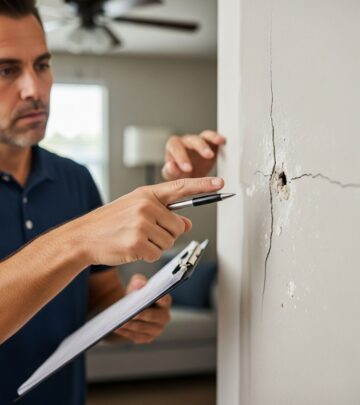
Distinguish between normal wear and tear, which landlords must absorb, and tenant-caused damage subject to deposit deductions. Normal wear includes minor scratches on floors, small paint chips, and slight wall marks from normal use. Damage subject to deduction includes large holes in walls, broken fixtures, missing appliances, and extensive staining.
Security Deposit Return and Deduction Documentation
Most jurisdictions require landlords to return security deposits within 14-45 days of lease termination, depending on local law. Provide an itemized statement detailing any deductions, including specific damage descriptions and repair costs. Attach receipts or invoices for any repairs or professional cleaning services completed.
Send the deposit return and any deduction statements via certified mail or email with read receipt to create documentation of delivery. Retain copies of all correspondence and documentation for your records.
Key Differences in Responsibilities
| Responsibility Area | Tenant Obligations | Landlord Obligations |
|---|---|---|
| Property Cleaning | Complete professional-level cleaning | Verify cleanliness standards compliance |
| Damage Documentation | Photograph condition post-cleaning | Document any damage requiring repairs |
| Notice Requirements | Provide written 30-day notice | Acknowledge receipt of notice |
| Utility Transfers | Schedule disconnections | Schedule new connections |
| Address Updates | Update personal records | Document forwarding address if needed |
| Inspection Scheduling | Coordinate inspection times | Conduct thorough final inspection |
| Deposit Return | Request itemized deductions | Return deposit timely with documentation |
Frequently Asked Questions
Q: What constitutes normal wear and tear versus tenant-caused damage?
A: Normal wear and tear includes minor carpet fading, small paint scuffs, and slight discoloration from use. Tenant-caused damage includes large holes in walls, broken appliances, extensive staining, and missing fixtures. State laws provide specific guidance on this distinction.
Q: How long should landlords return security deposits?
A: Timelines vary by jurisdiction, typically ranging from 14 to 45 days. Check your state and local laws for specific requirements. Most states require landlords to provide itemized deduction statements with any withheld amounts.
Q: Can landlords charge for cleaning if the property is extremely dirty?
A: Yes, if excessive cleaning is required beyond normal move-out standards, landlords may deduct professional cleaning costs from the security deposit. However, deductions must be reasonable and documented with receipts from actual services rendered.
Q: What should tenants do if they disagree with deposit deductions?
A: Request itemized documentation and photographs of all claimed damage. If deductions seem excessive or unwarranted, send a formal written dispute to the landlord. If unresolved, pursue remedies through your jurisdiction’s small claims court or landlord-tenant board.
Q: Is professional move-out cleaning required?
A: While not legally required in most areas, professional cleaning significantly increases the likelihood of receiving your full security deposit. Leases often specify cleaning expectations, and professional services ensure compliance with landlord standards.
Q: What happens to mail received after moving?
A: USPS mail forwarding lasts 12 months, but it’s not guaranteed. Proactively update your address with banks, employers, healthcare providers, and government agencies to prevent missed important communications and potential financial complications.
References
- A Moving Checklist for 2025 — NerdWallet. 2025. https://www.nerdwallet.com/home-ownership/moving/learn/moving-checklist
- The Ultimate Apartment Move-Out Checklist for a Stress-Free Experience — 3 Men Movers. https://www.3menmovers.com/blog/apartment-move-out-checklist/
- What Do I Need To Move Out? Complete Checklist & Guide 2025 — Nelson Westerberg. 2025. https://nelsonwesterberg.com/blog/what-do-i-need-to-move-out/
- Move-in/Move-out Checklist for Landlords (Free Template) — Baselane. https://www.baselane.com/resources/move-in-move-out-checklist-for-landlords
Similar Articles








Read full bio of medha deb