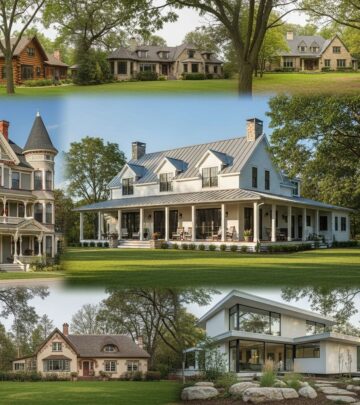
Mountain Home Buying Guide: Complete Property Overview
Navigate elevation challenges and discover your perfect mountain retreat successfully
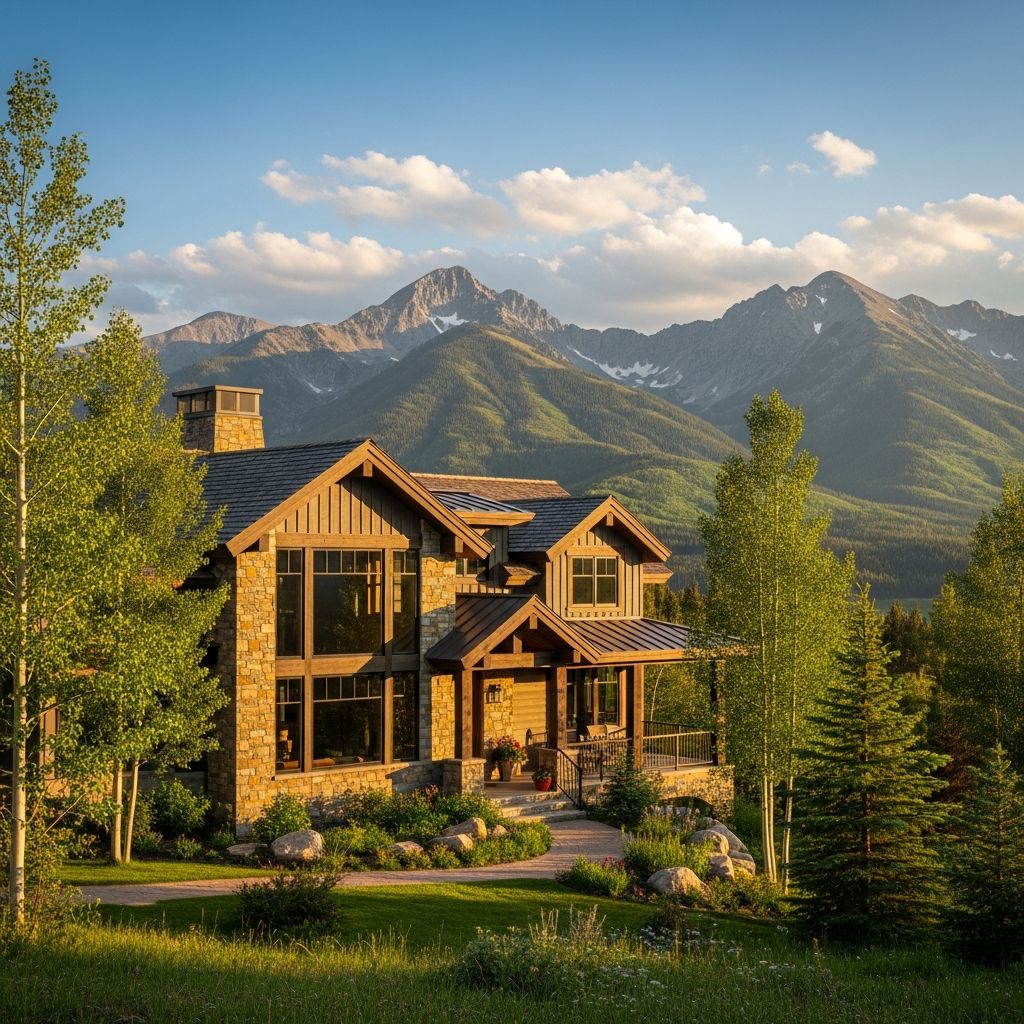
Purchasing a home in elevated terrain presents a unique set of opportunities and challenges that differ significantly from conventional residential real estate transactions. The distinctive characteristics of mountain properties—from architectural requirements to specialized financing needs—demand careful planning and informed decision-making. This comprehensive guide explores the essential aspects of acquiring a mountain residence, helping prospective buyers understand what distinguishes these properties and how to approach the purchasing process strategically.
Understanding the Landscape of Mountain Properties
Mountain homes encompass a diverse range of residential structures, each engineered to withstand specific environmental conditions and designed to complement their natural surroundings. Unlike standard suburban properties, mountain residences require deliberate architectural choices that account for terrain, weather patterns, and seasonal variations. The diversity of mountain properties means that buyers must first understand what types of structures exist in these elevated communities before determining which option aligns with their lifestyle needs and financial capacity.
Architectural Styles for Mountain Living
Contemporary elevated designs represent modern approaches to mountain architecture, integrating sleek structural elements with environmental harmony. These properties combine minimalist aesthetics with practical functionality, offering residents the benefits of contemporary living while respecting mountainous settings. The clean lines and open-concept layouts popular in modern mountain homes appeal to buyers seeking upscale, efficient spaces that maximize natural light and panoramic vistas.
Traditional alpine cabins draw inspiration from centuries-old mountain dwelling practices, featuring steeply pitched roofs designed specifically for snow management. These structures utilize pitched roof configurations that facilitate rapid snow shedding, preventing accumulation that could compromise structural integrity. The expansive window arrays typical of alpine cabins capitalize on surrounding scenery, transforming landscape views into integral design features of the living space.
Hybrid architectural approaches blend traditional and contemporary elements, creating homes that honor mountain heritage while incorporating modern conveniences. This middle-ground approach appeals to buyers who desire authentic mountain character without sacrificing contemporary amenities and energy efficiency standards.
Evaluating Geographic and Topographical Factors
The physical landscape surrounding a mountain property profoundly influences its desirability, maintenance requirements, and long-term value appreciation. Prospective buyers must conduct thorough assessments of geographical features that extend beyond aesthetic appeal to encompass practical functionality and structural implications.
Terrain Configuration and Drainage Systems
Understanding how water naturally flows across mountain terrain is critical to avoiding costly damage and unexpected maintenance expenditures. Elevated properties sit within complex drainage systems where rainfall and snowmelt create rapid water movement. Properties positioned in natural watercourse paths face potential erosion, flooding, and foundation complications. Evaluating topographical surveys and drainage patterns should precede any purchase commitment, as remedying inadequate drainage systems can consume tens of thousands of dollars in construction costs.
Driveway considerations take on heightened importance in mountain settings, where steep grades demand specialized engineering and ongoing maintenance. Properties with extremely sloped driveways may prove impractical during winter weather, limiting accessibility during critical seasons. Foundation requirements escalate substantially when properties occupy steep grades, potentially adding significant expenses to the overall property acquisition cost.
Sunlight Exposure and Property Orientation
The directional orientation of mountain properties directly impacts both quality of life and heating efficiency. South-facing properties receive maximum solar exposure throughout the day, while north-facing counterparts experience limited sunlight, sometimes only for brief afternoon periods. Buyers should recognize that inadequate natural illumination can negatively affect long-term psychological well-being, particularly during extended winter seasons common in mountainous regions. Solar orientation also influences heating requirements and energy consumption patterns, affecting operational costs across decades of ownership.
Distance and Accessibility Considerations
The proximity of a mountain home to essential services fundamentally shapes the day-to-day living experience. Prospective buyers must calculate realistic travel times to grocery stores, medical facilities, gas stations, and employment centers. What appears as a short distance on maps often requires substantially longer driving times due to winding mountain roads and elevation changes. For individuals transitioning from urban or suburban environments to primary mountain residences, the seclusion that initially attracts buyers can become burdensome when routine errands require extended commutes.
Those with significant out-of-state travel requirements should consider proximity to regional airports when selecting properties, ensuring that mountain isolation does not compromise professional or personal mobility needs.
Financial Planning and Mortgage Considerations
Financing mountain properties involves navigating distinct lending requirements that differentiate these transactions from standard residential mortgages. Lenders view mountain homes as presenting elevated risk factors, leading to specialized loan structures and enhanced qualification criteria.
Mortgage Products for Mountain Properties
Traditional mortgage lenders often impose additional scrutiny on mountain properties due to perceived risk factors including accessibility challenges, extreme weather exposure, and specialized maintenance requirements. Specialized lending institutions focus specifically on mountain residential properties and understand the unique considerations affecting property valuation and long-term owner obligations. These lenders frequently offer more flexible terms tailored to mountain home ownership, providing options that conventional lenders might decline.
The classification of the property significantly influences financing options available. Primary residences qualify for different mortgage products than vacation homes or seasonal cabins. Buyers must communicate clearly with lenders regarding their intended property use, as misrepresentation can affect loan approval and interest rate determinations.
Loan Options for Budget-Conscious Buyers
Several mortgage programs accommodate buyers with limited down payment capacity. FHA loans require down payments as modest as 3.5 percent, making mountain home ownership more accessible to first-time buyers. USDA loan programs extend benefits to eligible rural properties, providing zero-down-payment options for qualifying borrowers. Veterans and active-duty military personnel may access VA loan programs that eliminate down payment requirements entirely.
Getting pre-approved for financing before beginning property searches clarifies actual purchasing capacity and strengthens competitive offers in markets with multiple interested buyers.
Hidden Costs Beyond Mortgage Payments
Mountain property ownership extends financial obligations substantially beyond standard mortgage payments. Homeowners insurance premiums run considerably higher in mountainous regions due to increased risks from wildfires, heavy snowfall, and severe weather phenomena. Comprehensive insurance protection must specifically address mountain-specific hazards, adding meaningful annual expenses to the total cost of ownership.
Property taxes, utilities, and homeowners association fees collectively can exceed conventional property operating costs by significant margins. Resort community properties often impose substantial amenity fees for shared facilities and services. Prospective buyers should carefully calculate all ancillary expenses and factor these into their overall financial planning, ensuring that purchase prices do not overshadow operational affordability.
Identifying Affordable Mountain Communities
Not all mountain areas command equivalent price points. Strategic geographic selection allows buyers operating within budget constraints to achieve mountain home ownership without financial overextension.
Budget-Friendly Mountain Regions
While renowned resort destinations like Aspen and Vail command premium pricing, more modest mountain communities offer comparable natural beauty and outdoor recreation access at substantially lower cost points. Emerging communities such as Bailey, Fairplay, Florissant, and Divide provide mountain living experiences with notably more affordable home price ranges. These communities offer authentic mountain character, excellent outdoor access, and community vitality without the luxury resort pricing that characterizes high-profile mountain destinations.
Expanding geographic search parameters beyond immediate proximity to major ski resorts yields significant price advantages. Properties located 30 to 60 minutes from premier resort towns provide mountain living at fractions of comparable properties in high-demand areas.
Alternative Property Structures
Traditional single-family homes represent only one mountain property category. Cabins offer intimate, cozy living spaces frequently priced well below larger residential structures. Tiny home communities continue expanding throughout mountain regions, providing sustainable, affordable options for downsizers and minimalists. Manufactured homes deliver cost-effective alternatives with established placement in numerous mountain communities.
Pre-Purchase Due Diligence and Research
Successful mountain home acquisition depends upon thorough investigation and expert guidance addressing the distinctive characteristics of elevated properties.
Weather and Natural Disaster Assessment
Understanding the specific environmental hazards affecting a mountain community should inform property location decisions. Prospective buyers must research historical weather patterns, seasonal precipitation ranges, snow depth typical for the region, and any documented natural disasters affecting the area. This information guides both property selection and insurance planning, ensuring that structural and location choices align with acceptable risk tolerance levels.
Consulting Local Real Estate Professionals
Mountain properties benefit enormously from professional guidance provided by real estate agents thoroughly familiar with specific mountain communities and their particular characteristics. Local experts understand zoning restrictions, building code variations, seasonal market trends, and community-specific regulations that affect property values and ownership experiences. These professionals develop networks encompassing reliable contractors and inspectors specializing in mountain property maintenance and repair.
Local agents frequently access off-market listings and distressed properties before public listing, providing early advantages to represented buyers. Their community connections and market knowledge prove instrumental in identifying properties matching specific buyer criteria and lifestyle preferences.
The Reality of Mountain Home Maintenance
Properties situated in mountainous terrain incur maintenance expenses and requirements exceeding those of conventional residential properties. Buyers must approach ownership with realistic expectations regarding ongoing preservation obligations.
Specialized Maintenance Demands
Mountain homes require additional maintenance compared to standard residences, particularly in regions experiencing extreme weather conditions. Heavy snow, ice storms, and wind damage necessitate routine inspections, preventative maintenance, and prompt repairs. Roofs, drainage systems, and foundations demand more frequent attention in mountainous environments where environmental stresses exceed those in temperate climates.
Seasonal Preparation Requirements
Winter preparedness extends beyond typical property maintenance into specialized vehicle considerations. All-wheel and four-wheel-drive vehicles provide reliable transportation during severe winter weather, making them practical investments for mountain residents. Maintaining emergency supplies including long-storing food items and backup heating systems proves essential for properties vulnerable to winter weather isolation.
Decision-Making Framework for Mountain Property Buyers
Essential Planning Questions
Before committing to mountain property acquisition, prospective buyers should clearly define their purchase intentions and ownership goals. Will this property serve as a primary residence or a seasonal retreat? Are buyers seeking move-in-ready homes or willing to undertake renovation projects? Do buyers prioritize privacy and seclusion, or do they require convenient access to urban services and entertainment options? Defining these parameters establishes realistic expectations and ensures that selected properties genuinely align with buyer lifestyles and practical requirements.
Action-Oriented Purchase Strategy
Desirable affordable mountain properties sell rapidly, requiring buyers to move decisively when identifying suitable options. Securing pre-approval financing and establishing relationships with experienced local agents position buyers to submit competitive offers without delays. Properties matching buyer criteria within established budgets warrant prompt action, as market opportunity windows often close within hours or days rather than weeks.
Frequently Asked Questions About Mountain Home Buying
Do mountain properties require special mortgages?
Yes, mountain properties frequently require mortgages with different terms and requirements than standard residential loans. Specialized lenders focusing on mountain properties often provide more flexible options tailored to the unique characteristics of elevated properties.
What makes mountain home insurance more expensive?
Mountain properties face increased insurance costs due to elevated exposure to natural disasters including wildfires, heavy snowfall, ice storms, and severe weather. Comprehensive coverage addressing these specific risks increases annual insurance expenses substantially.
Can I afford a mountain home on a limited budget?
Yes, by researching affordable mountain communities, exploring specialized loan programs with minimal down payment requirements, considering fixer-upper properties, and expanding geographic search parameters, buyers can achieve mountain home ownership within budget constraints.
How important is professional guidance for mountain property purchases?
Professional guidance from local real estate experts proves invaluable for navigating zoning restrictions, understanding seasonal market variations, identifying reliable contractors, and accessing off-market listings not available through public channels.
What vehicle type should mountain residents own?
All-wheel-drive or four-wheel-drive vehicles provide reliable transportation during mountain winter weather, making them practical investments for year-round mountain residents who face periodic severe weather conditions.
Conclusion: Making Informed Mountain Property Decisions
Mountain home ownership represents an achievable goal when buyers approach the process with thorough preparation, realistic financial planning, and professional guidance. Understanding the distinctive characteristics of elevated properties—from architectural requirements to financing considerations to maintenance obligations—transforms the acquisition process from potentially overwhelming into manageable and ultimately rewarding. By researching communities systematically, consulting experienced local professionals, and maintaining realistic expectations regarding costs and lifestyle adjustments, prospective buyers can successfully identify mountain properties that enhance their quality of life while aligning with financial capabilities. The key to successful mountain home purchase lies not in finding the perfect property immediately, but in establishing clear personal criteria, conducting methodical due diligence, and remaining patient until suitable opportunities emerge within defined parameters.
References
- Essential Tips for Buying a Home in Mountain Communities — Ask Away Blog. 2024-07-15. https://www.askawayblog.com/2024/07/essential-tips-for-buying-home-in.html
- How to Buy a Mountain Home with a Small Budget: Colorado Guide — Moxie Property Group. 2024. https://moxiepropertygroup.com/blog/how-to-buy-a-mountain-home-with-a-small-budget
- 6 Things to Consider Before You Buy a Mountain Home — Cardinal Financial. 2023. https://www.cardinalfinancial.com/blog/consider-before-buy-mountain-home/
- Top 6 Things When Buying in the Mountains — Bernie Gilchrist Real Estate. 2024. https://www.berniegilchrist.com/posts/top-6-things-when-buying-in-the-mountains/
- Mountain Homes: Pros & Cons, Types, How to Find One — Chase Bank. 2024. https://www.chase.com/personal/mortgage/education/finding-a-home/mountain-homes
Similar Articles








Read full bio of medha deb