Mother-In-Law Suites: 5 Benefits & 7-Step Build Plan
Explore how mother-in-law suites provide affordable multigenerational living, boost property value, and offer flexible home expansions for families.
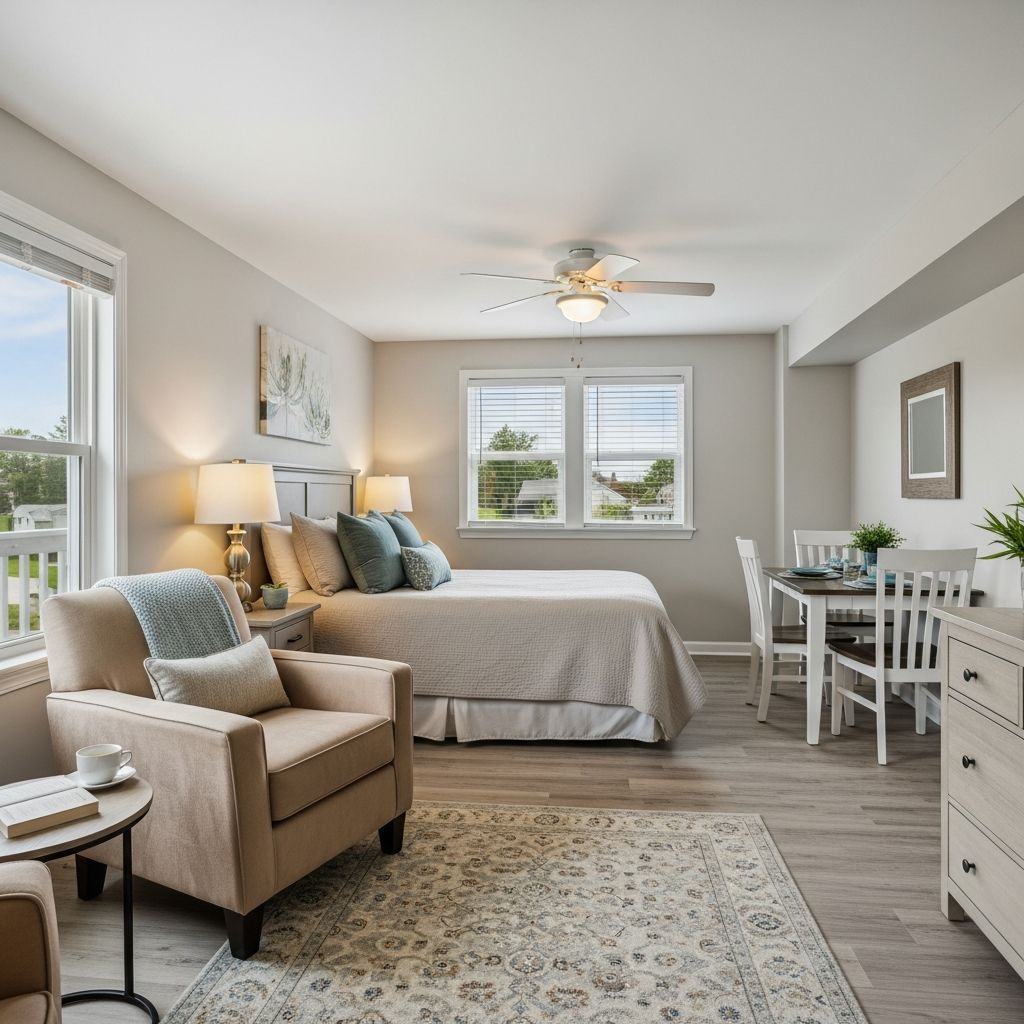
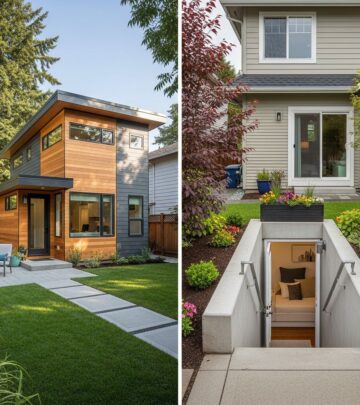
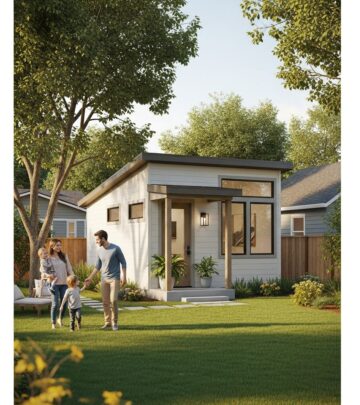
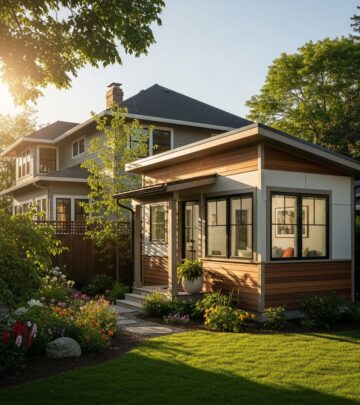
Mother-in-law suites, also known as accessory dwelling units (ADUs) or granny flats, are independent living spaces built on or attached to a primary home, offering privacy and convenience for extended family members.
Understanding the Basics of Mother-in-Law Suites
These compact residences typically include a bedroom, bathroom, kitchenette, and living area, with a private entrance to ensure autonomy. Unlike a simple guest room that shares facilities, a mother-in-law suite functions as a complete home within a home, ideal for long-term stays by aging parents, grown children, or caregivers.
The rise in popularity stems from shifting family dynamics, where nearly 1 in 10 U.S. households now embrace multigenerational living to manage costs and provide mutual support.
Key Advantages for Homeowners and Families
Integrating a mother-in-law suite into your property yields multiple benefits, from emotional closeness to financial gains.
- Family Proximity and Support: Keep elderly relatives nearby for daily assistance without sacrificing personal space, fostering quality time and security.
- Cost Savings on Care: Avoid high assisted living fees averaging $59,000 yearly or nursing homes exceeding $110,000, as a suite enables affordable in-home care.
- Income Generation: Rent the unit long-term or via platforms like Airbnb to offset construction costs and property taxes.
- Property Value Boost: ADUs can increase home worth by up to 35%, appealing to buyers in rental-demand markets.
- Versatile Use: Repurpose as a guest house, home office, or hobby room when not occupied by family.
Types of Mother-in-Law Suites to Consider
Select a configuration based on your lot size, budget, and local regulations. Here’s a comparison:
| Type | Description | Pros | Cons | Avg. Size |
|---|---|---|---|---|
| Attached | Extension to main house, like garage conversion | Shared utilities, lower cost | Less privacy | 400-800 sq ft |
| Detached | Standalone backyard structure | Full independence | Higher build cost, zoning limits | 500-1,000 sq ft |
| Basement/Attic | Conversion of existing space (JADU if <500 sq ft) | Cheapest option | Requires suitable space, egress | 300-500 sq ft |
Each type suits different needs; for instance, basement units maximize underused areas while detached ones offer maximum separation.
Financial Considerations and Cost Breakdown
Building costs vary widely by location, size, and finishes. Expect $100,000-$300,000 for new construction, or $40,000-$150,000 for conversions.
- Site prep and foundation: $10,000-$30,000
- Framing and structure: $50,000-$100,000
- Plumbing/electrical: $15,000-$40,000
- Finishes and appliances: $20,000-$50,000
- Permits: $1,000-$10,000
ROI comes quickly through rent (averaging $1,000-$2,500/month) or care savings. Appraisers favor ADUs in hot markets, speeding sales.
Navigating Legal and Zoning Hurdles
Regulations differ by municipality. Many areas now permit ADUs to address housing shortages, but check for setbacks, size caps (often 500-1,200 sq ft), and owner-occupancy rules.
- Verify zoning: Residential zones may require variances.
- Building codes: Meet fire safety, accessibility standards.
- HOA rules: Some restrict secondary units.
- Impact fees: Vary for utilities hookups.
Consult local planning departments early; states like California mandate solar for new ADUs.
Smart Financing Strategies
Homeowners can leverage several options beyond cash:
- Home Equity Loans/HELOC: Tap equity at low rates for renovations.
- Cash-Out Refinance: Replace mortgage with larger one, pocketing difference.
- Construction Loans: Short-term financing converting to permanent.
- FHA 203(k): For rehabs, including conversions.
- Local Grants: Some areas subsidize ADUs for affordability.
Chase and similar lenders offer tailored mortgage products for expansions.
Essential Design and Layout Tips
Prioritize accessibility and efficiency in compact spaces (300-1,000 sq ft).
- Use universal design: Wide doors, zero-step entries, grab bars.
- Optimize flow: Open kitchen-living combos, stackable laundry.
- Efficient appliances: Energy Star mini-fridges, induction cooktops.
- Natural light: Skylights, large windows.
- Smart tech: Voice controls, video doorbells for safety.
Tailor to users—add medical alert systems for seniors or study nooks for students.
Step-by-Step Process to Build Your Suite
- Assess Needs: Discuss family requirements and budget.
- Research Regulations: Contact zoning office, review codes.
- Hire Professionals: Architect, contractor experienced in ADUs.
- Secure Financing: Apply for loans or equity products.
- Obtain Permits: Submit plans for approval.
- Construct: Oversee build, 3-12 months typical.
- Inspect and Occupy: Final checks, utility setup.
DIY elements like painting save money, but core work needs experts.
Real-World Applications and Success Stories
Families report stronger bonds and financial relief. One setup housed parents during recovery, later rented for $1,800/month. Another converted a garage for a returning grad student, easing housing crunch.
In urban areas, ADUs combat shortages; rural spots aid isolated seniors.
Frequently Asked Questions (FAQs)
Do mother-in-law suites increase property taxes?
Possibly, as they add assessed value, but rental income often covers hikes. Check local reassessment rules.
Can I build one without permits?
No—permits ensure safety and legality, avoiding fines or demolition.
What’s the average ROI timeline?
3-7 years via rent or care savings, faster in high-demand areas.
Are they allowed in all neighborhoods?
Many places eased rules post-2020, but HOAs may block.
How to make it senior-friendly?
Incorporate ramps, lever handles, non-slip floors from the start.
Conclusion: A Wise Investment in Family and Future
Mother-in-law suites blend practicality with heartfelt benefits, adapting homes for life’s stages while enhancing value. With planning, they deliver lasting rewards.
References
- Mother In Law Suite: A Complete Guide — The Coley Group. 2025. https://thecoleygroup.com/blog/mother-in-law-suite-a-complete-guide/
- Mother-in-Law Suites: Definition, Benefits & Costs — Better Place Design Build. 2024. https://betterplacedesignbuild.com/blog/what-is-a-mother-in-law-suite/
- Your Guide to Building an In-Law Suite — Extra Space Storage. 2024. https://www.extraspace.com/blog/moving/everything-to-know-about-in-law-suites/
- What Is a Mother-in-Law Suite? Benefits, Design Ideas and Costs — Homes.com. 2024. https://www.homes.com/learn/what-is-an-in-law-suite/
- 5 Benefits of Adding an In-Law Suite to Your Family Home — Tilghman Builders. 2024. https://www.tilghmanbuilders.com/blog/5-family-benefits-of-an-in-law-suite
- What is a Mother-in-Law Suite? — Chase Bank. 2025. https://www.chase.com/personal/mortgage/education/owning-a-home/mother-in-law-suite
Similar Articles








Read full bio of medha deb