Mortgagor vs. Mortgagee: Key Differences Explained
Understand the critical distinctions between mortgagors and mortgagees in home financing.

When you’re purchasing a home and securing financing, you’ll encounter two important terms in the mortgage process: mortgagor and mortgagee. While these terms sound similar, they represent two distinct parties with different roles, responsibilities, and rights in a mortgage agreement. Understanding the difference between a mortgagor and mortgagee is essential for anyone navigating the home buying process or refinancing their property.
What Is a Mortgagor?
A mortgagor is the borrower in a mortgage transaction. When you take out a home loan to purchase property, you become the mortgagor. As the mortgagor, you’re the individual or entity that borrows money from a lender to finance the purchase of real estate. The mortgagor is responsible for repaying the loan according to the terms outlined in the mortgage agreement.
As a mortgagor, you pledge your property as collateral to secure the loan. This means if you fail to make your monthly mortgage payments as agreed, the lender has the legal right to foreclose on your home and sell it to recover the outstanding loan balance. Your primary obligation as a mortgagor is to make timely monthly payments that include principal, interest, and potentially property taxes and homeowners insurance through an escrow account.
Mortgagor Responsibilities
As the mortgagor, you have several key responsibilities throughout the life of your mortgage:
- Make monthly mortgage payments on time
- Maintain homeowners insurance on the property
- Pay property taxes
- Keep the property in good condition
- Comply with all terms and conditions in the mortgage agreement
- Notify the lender of any changes to your financial situation that might affect your ability to pay
What Is a Mortgagee?
A mortgagee is the lender in a mortgage transaction. This is typically a bank, credit union, mortgage company, or other financial institution that provides the funds for you to purchase the property. The mortgagee has a vested interest in ensuring that you, the mortgagor, repay the loan as agreed.
The mortgagee holds a legal claim against the property until the mortgage is fully paid off. This claim is secured by a mortgage document that gives the lender the right to foreclose on the property if the borrower defaults on the loan. The mortgagee’s primary objective is to recoup the funds lent while earning interest on the loan.
Mortgagee Rights and Responsibilities
As the mortgagee, the lender has several important rights and responsibilities:
- Collect monthly mortgage payments from the mortgagor
- Evaluate the borrower’s creditworthiness before approving the loan
- Set the interest rate based on market conditions and the borrower’s risk profile
- Enforce the terms of the mortgage agreement
- Foreclose on the property if the mortgagor defaults
- Maintain accurate records of all loan payments and account status
- Provide loan statements and disclosures to the mortgagor
Key Differences Between Mortgagor and Mortgagee
Understanding the distinctions between these two parties is crucial for comprehending how mortgage transactions work. Here’s a comprehensive comparison:
| Characteristic | Mortgagor | Mortgagee |
|---|---|---|
| Definition | The borrower | The lender |
| Role | Borrows money to purchase property | Provides the funds for the loan |
| Primary Obligation | Repay the loan with interest | Service the loan and manage the account |
| Collateral Risk | Property serves as collateral | Holds a lien on the property |
| Default Consequence | Home can be foreclosed upon | Can initiate foreclosure proceedings |
| Interest Position | Pays interest charges | Earns interest income |
Understanding Mortgage Interest and Payment Structure
Mortgage interest, also known as a “finance charge,” is the amount the mortgagee charges the mortgagor to obtain financing for a property. The interest is expressed both as a percentage—the “interest rate” or “mortgage rate”—and as a total dollar amount. As a mortgagor, you’ll make monthly payments that cover both the loan principal (the amount you borrowed) and interest based on your loan’s terms.
Your monthly mortgage payment typically consists of four components, often remembered as PITI: Principal, Interest, Taxes, and Insurance. The principal is the dollar amount of money you’re borrowing from the lender, while the interest is what the mortgagee is charging you to borrow that sum. In the early years of your mortgage, a larger portion of your payment goes toward interest, while in later years, more goes toward principal.
Types of Mortgages: Fixed-Rate and Adjustable-Rate
Mortgagors have options when it comes to the structure of their mortgage agreement. The two primary types are fixed-rate and adjustable-rate mortgages, each with distinct advantages for different financial situations.
Fixed-Rate Mortgages
With a fixed-rate mortgage, your interest rate stays the same for the entire loan term. This means your monthly principal and interest payment remains constant throughout the life of the loan, even as the proportion between principal and interest shifts over time. Most mortgages in the U.S. are fixed-rate loans. While 30-year terms are most common, mortgagees typically offer 20-year, 15-year, and 10-year terms, with some lenders providing flexible terms ranging from eight to 40 years.
Fixed-rate mortgages are considered amortizing loans, meaning your monthly payments pay off both your principal and interest over the loan term. This predictability makes budgeting easier for mortgagors, as they know exactly what their monthly payment will be regardless of market conditions.
Adjustable-Rate Mortgages
An adjustable-rate mortgage, or ARM, often features a lower initial interest rate than a fixed-rate mortgage for a set period, after which the rate resets at regular intervals for the remainder of the loan term. Because the rate fluctuates once the introductory period ends, your mortgage payments may increase or decrease depending on market conditions. An example is a 5/1 ARM, where the initial fixed rate lasts for five years and then adjusts every year for the remaining 25 years.
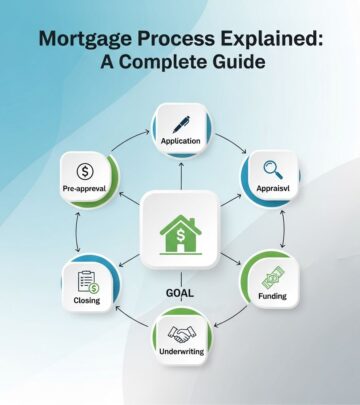
The Mortgage Process: From Application to Closing
Understanding the relationship between mortgagor and mortgagee helps clarify the entire mortgage process. When you apply for a mortgage, the mortgagee will conduct an underwriting process to evaluate your creditworthiness, income, employment history, and financial obligations. This process includes reviewing your credit score and debt-to-income ratio to determine your borrowing capacity.
Your debt-to-income (DTI) ratio is a measurement that compares all your monthly debt responsibilities to your income, and it helps the mortgagee determine your borrowing capacity. Your DTI is calculated by dividing your total monthly debt payments by your gross monthly income. Most mortgagees require a DTI ratio of 43% or lower for conventional loans.
A crucial document in this process is the loan estimate, a three-page document containing details about your mortgage. Given to you within days of your application, it includes estimates of the loan’s interest rate, monthly payment, and the total closing costs, as well as escrow charges, prepayment penalties, and other pertinent expenses. This document allows you to compare terms when shopping with different mortgagees.
The Role of Collateral and Foreclosure
The fundamental difference in how mortgagors and mortgagees view the property centers on its role as collateral. A mortgage is a long-term loan, typically ranging from 8 to 30 years, used to purchase a house, with the home itself serving as collateral. Mortgages are secured loans, meaning they’re backed by collateral—in this case, your home. If you fail to make payments as mortgagor, your home can enter foreclosure, and your mortgagee may reclaim it.
This security interest is what allows mortgagees to offer lower interest rates compared to unsecured loans like credit cards. The mortgagee’s position is protected by the mortgage document and the ability to foreclose if the mortgagor defaults on the loan.
APR vs. Interest Rate: Understanding the Total Cost
When comparing mortgage offers from different mortgagees, it’s important to understand the distinction between the interest rate and the annual percentage rate (APR). The interest rate on your mortgage only accounts for the cost of borrowing the funds. However, the APR accounts for your mortgage interest rate and other costs, including the lender’s origination fee and any mortgage points. Like the interest rate, APR is expressed as a percentage, but because it includes these other charges, it’s always higher than the interest rate.
This distinction is crucial for mortgagors evaluating different loan offers, as the APR provides a more complete picture of the true cost of borrowing from a mortgagee.
Loan-to-Value Ratio and Mortgage Insurance
Another important concept in the mortgagor-mortgagee relationship is the loan-to-value (LTV) ratio, which compares the mortgage amount against the property’s value. An LTV ratio of 80 percent or less—which corresponds to a 20 percent down payment—has been the traditional benchmark for conventional loans; an LTV ratio above 80 percent means you’ll need to purchase mortgage insurance, an extra expense. Some government mortgages, such as FHA or VA loans, permit higher LTV ratios and may or may not come with the mortgage insurance requirement.
Different Types of Mortgages
The main types of mortgages available to mortgagors include conventional loans, government-backed loans, jumbo loans, fixed-rate loans, and adjustable-rate loans. Government-backed options include FHA loans, VA loans, and USDA loans, each with specific eligibility requirements and benefits. Conventional loans are not backed by the government and typically require higher credit scores and down payments.
Frequently Asked Questions
Q: Can the roles of mortgagor and mortgagee change over time?
A: Generally, the mortgagor and mortgagee roles remain the same throughout the loan term. However, if you refinance your mortgage, you may work with a different mortgagee, and the mortgagee can sell the mortgage to another lender or servicer while you remain the mortgagor.
Q: What happens when a mortgagor pays off their mortgage?
A: Once the mortgagor has made all required payments and paid off the mortgage in full, the mortgagee releases the lien on the property. The mortgagor then owns the property free and clear, with no further obligations to the mortgagee.
Q: Can a mortgagee refuse to accept a mortgage payment?
A: Generally, mortgagees must accept timely mortgage payments from mortgagors. However, if a payment is incomplete or late, the mortgagee may have options depending on the mortgage agreement and applicable laws.
Q: What protections do mortgagors have against mortgagees?
A: Mortgagors are protected by various federal laws, including the Truth in Lending Act (TILA) and the Real Estate Settlement Procedures Act (RESPA), which require mortgagees to provide accurate disclosures and fair treatment throughout the mortgage process.
Q: Can a mortgagor switch mortgagees before the loan is paid off?
A: Yes, a mortgagor can refinance their mortgage with a different mortgagee. This involves paying off the original mortgage with funds from a new loan through a different lender, effectively switching mortgagees.
References
- What is mortgage interest and how does it work? — Bankrate. 2024. https://www.bankrate.com/mortgages/what-is-a-mortgage-interest-rate/
- What Is A Mortgage? Your Definitive Home Loans Guide — Bankrate. 2024. https://www.bankrate.com/mortgages/what-is-mortgage/
- What Is A Fixed-Rate Mortgage? — Bankrate. 2024. https://www.bankrate.com/mortgages/what-is-a-fixed-rate-mortgage/
- Key mortgage terms to know: A guide to commonly used phrases — Bankrate. 2024. https://www.bankrate.com/mortgages/key-mortgage-terms/
- What Are The Major Types of Mortgage Loans? — Bankrate. 2024. https://www.bankrate.com/mortgages/types-of-mortgages/
- Truth in Lending Act (TILA) — Consumer Financial Protection Bureau (CFPB). 2024. https://www.consumerfinance.gov/
- Real Estate Settlement Procedures Act (RESPA) — Department of Housing and Urban Development (HUD). 2024. https://www.hud.gov/
Similar Articles








Read full bio of medha deb