Mortgagor: Definition, Responsibilities, and Rights
Understanding mortgagors: Who they are, their obligations, and legal rights in home financing.

What Is a Mortgagor?
A mortgagor is an individual or entity that borrows money from a lender to purchase real estate property, typically a residential home. In mortgage transactions, the mortgagor is the borrower who signs the mortgage note and becomes legally obligated to repay the borrowed funds. The term is derived from the Old French word “mort” meaning death and “gage” meaning pledge, historically signifying that the obligation dies when either the debt is paid or the property is foreclosed upon.
In the context of real estate financing, the mortgagor plays a crucial role as the primary party responsible for managing the loan terms, making regular payments, and maintaining the property as collateral. Understanding the mortgagor’s position and obligations is essential for anyone considering homeownership or commercial real estate investment.
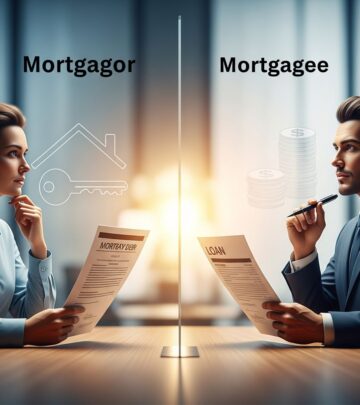
Mortgagor vs. Mortgagee: Key Differences
While the terms mortgagor and mortgagee are often confused, they represent opposite parties in a mortgage agreement. Here are the fundamental distinctions:
- Mortgagor: The borrower who receives the loan and pledges the property as collateral. This is the party that owes money to the lender.
- Mortgagee: The lender or financial institution that provides the funds and holds the mortgage as security for the loan.
- Responsibility: The mortgagor is responsible for making monthly payments, maintaining insurance, and paying property taxes. The mortgagee manages the loan account and can initiate foreclosure if payments are not made.
- Legal Position: The mortgagor holds the title to the property but under a lien held by the mortgagee until the loan is fully repaid.
Primary Responsibilities of a Mortgagor
Mortgagors assume numerous legal and financial obligations when entering into a mortgage agreement. These responsibilities are critical to maintaining compliance with the loan terms and protecting their property ownership.
Making Regular Mortgage Payments
The most fundamental responsibility of a mortgagor is making timely mortgage payments. These payments typically include principal and interest, along with escrow amounts for property taxes and homeowners insurance. Missing or late payments can result in significant financial consequences, including damage to credit scores, late fees, and potential foreclosure proceedings initiated by the mortgagee.
Maintaining Property Insurance
Mortgagors are required to maintain comprehensive homeowners insurance on the property. This requirement protects both the borrower and the lender against property damage from fire, theft, natural disasters, and other covered events. The mortgagee is typically named as a loss payee on the insurance policy, ensuring that insurance proceeds can be used to repair or replace the property if needed.
Paying Property Taxes
Property tax payments are the mortgagor’s responsibility. Many mortgages include an escrow account where a portion of the monthly payment is set aside to cover property taxes when they become due. Failure to pay property taxes can result in tax liens against the property and potential foreclosure by local tax authorities.
Property Maintenance and Upkeep
Mortgagors must maintain the property in reasonably good condition. The mortgage agreement typically includes language requiring the borrower to keep the property insured and in proper repair. This obligation protects the mortgagee’s interest in the property and ensures that the collateral retains its value.
Adhering to Zoning and Local Ordinances
The mortgagor must comply with all local zoning laws, building codes, and municipal ordinances. Using the property in violation of these regulations can result in fines, liens, or forced remediation, which could affect the mortgagor’s ability to maintain the property and meet loan obligations.
Rights of the Mortgagor
While mortgagors have significant responsibilities, they also possess important legal rights that protect their interests in the property:
Equity Ownership
The mortgagor maintains ownership of the property and builds equity with each mortgage payment. This equity represents the difference between the property’s market value and the remaining mortgage balance. Mortgagors can tap into this equity through home equity loans or lines of credit for other financial needs.
Right to Refinance
Mortgagors have the right to refinance their mortgage with another lender, provided they meet the new lender’s qualification requirements. Refinancing can allow borrowers to secure better interest rates, change loan terms, or access home equity.
Right to Prepayment
Most mortgages permit prepayment without penalty, allowing mortgagors to pay down the principal faster and reduce total interest costs. Some loans may include prepayment penalties, which must be clearly disclosed at loan origination.
Protection Against Unfair Lending Practices
Mortgagors are protected by federal fair lending laws that prohibit discrimination based on race, color, religion, national origin, sex, familial status, or disability. These protections ensure that all borrowers have equal access to mortgage credit.
Right to Receive Loan Documentation
Mortgagors have the right to receive clear, complete documentation of all loan terms, including the interest rate, fees, payment schedule, and any variable terms. Federal law requires lenders to provide this information before loan closing.
Types of Mortgagors
Mortgagors can take various forms depending on the nature of the transaction and the borrower’s situation:
| Type of Mortgagor | Description | Key Characteristics |
|---|---|---|
| Individual Homebuyer | A single person or couple purchasing a primary residence | Most common type; subject to standard qualification requirements |
| Investment Property Owner | An individual purchasing property for rental income or appreciation | Often requires larger down payment; different loan terms apply |
| Commercial Entity | A corporation or LLC borrowing for commercial real estate | More complex underwriting; often requires personal guarantees |
| Joint Mortgagors | Multiple individuals sharing mortgage responsibility | All parties are equally liable; all must sign loan documents |
The Mortgage Process for Mortgagors
The path to becoming a mortgagor involves several critical stages:
Pre-Approval
Potential mortgagors should seek pre-approval from lenders to understand their borrowing capacity. This process involves submitting financial information, credit authorization, and employment verification.
Loan Application
The formal application process requires detailed financial disclosure, property information, and employment history. Lenders conduct thorough underwriting to assess the mortgagor’s creditworthiness and ability to repay.
Property Appraisal
The mortgagee orders a professional appraisal to ensure the property value supports the loan amount. If the appraisal comes in lower than expected, the mortgagor may need to increase the down payment or adjust the purchase price.
Loan Closing
At closing, the mortgagor signs all required documents, including the promissory note and mortgage deed. This is where the mortgagor officially becomes obligated to the terms of the mortgage.
Loan Servicing
After closing, the mortgagor begins making regular payments to the loan servicer, which may be the original lender or a third-party servicer. The servicer manages the account, collects payments, and may handle property tax and insurance escrow accounts.
Common Challenges Mortgagors Face
Many mortgagors encounter difficulties during the life of their loans:
- Payment Difficulties: Economic hardship, job loss, or medical emergencies can make it challenging to make timely payments.
- Rising Interest Rates: Adjustable-rate mortgages can result in significantly higher payments if interest rates increase.
- Property Value Decline: In declining markets, mortgagors may owe more than the property is worth, creating negative equity.
- Property Damage: Catastrophic damage from natural disasters or accidents can require costly repairs that affect the mortgagor’s financial situation.
- Increased Property Taxes: Rising property taxes can increase monthly mortgage payments if escrow accounts are adjusted.
Legal Protections and Consumer Rights
Federal and state laws provide important protections for mortgagors:
- Truth in Lending Act (TILA): Requires clear disclosure of loan terms, annual percentage rate (APR), and finance charges.
- Real Estate Settlement Procedures Act (RESPA): Protects mortgagors from abusive practices and requires timely disclosure of settlement costs.
- Fair Housing Act: Prohibits discrimination in lending based on protected characteristics.
- Dodd-Frank Wall Street Reform Act: Includes protections for mortgage borrowers and establishes licensing requirements for mortgage loan originators.
- Right to Cure: Many jurisdictions provide mortgagors with the opportunity to cure defaults before foreclosure proceedings commence.
Frequently Asked Questions About Mortgagors
Q: What is the difference between a mortgagor and a homeowner?
A: A mortgagor is a homeowner who has borrowed money through a mortgage to purchase property. All mortgagors are homeowners, but not all homeowners are mortgagors—some own their homes outright without a mortgage.
Q: Can a mortgagor sell their property before the mortgage is paid off?
A: Yes, mortgagors can sell their property before paying off the mortgage. However, the sale proceeds must be used to pay off the remaining mortgage balance. If the sale price exceeds the mortgage balance, the mortgagor receives the difference; if it’s less, the mortgagor may need to pay the shortfall.
Q: What happens if a mortgagor defaults on their loan?
A: If a mortgagor fails to make payments, the mortgagee can initiate foreclosure proceedings to reclaim the property and recover the remaining loan balance. The mortgagor typically receives notice and may have an opportunity to cure the default before foreclosure is finalized.
Q: Can a mortgagor have multiple mortgages on the same property?
A: Yes, mortgagors can obtain second mortgages or home equity lines of credit on their property. However, second mortgages are subordinate to the first mortgage, meaning the first mortgagee has priority if the property is foreclosed.
Q: What credit score is needed to become a mortgagor?
A: Credit score requirements vary by lender and loan type. Conventional loans typically require a minimum credit score of 620, while FHA loans may accept scores as low as 500 with a larger down payment.
Q: Can a mortgagor assume another person’s mortgage?
A: Some mortgages include assumable provisions that allow a buyer to take over the existing mortgagor’s loan. However, the mortgagee must approve the new mortgagor’s creditworthiness, and specific conditions must be met.
Conclusion
Understanding the role and responsibilities of a mortgagor is essential for anyone involved in real estate financing. Mortgagors are the borrowers who pledge their property as collateral and commit to repaying the borrowed funds according to agreed-upon terms. While this relationship involves significant responsibilities—including making timely payments, maintaining insurance, and keeping the property in good condition—mortgagors also retain important rights and protections under federal and state law. By understanding their obligations and rights, mortgagors can make informed decisions about real estate investments and manage their mortgage loans effectively throughout the loan term.
References
- Consumer Financial Protection Bureau: Mortgages — Consumer Financial Protection Bureau. 2024. https://www.consumerfinance.gov/mortgages/
- Truth in Lending Act (TILA) and Regulation Z — Federal Reserve Board. 2024. https://www.federalreserve.gov/lending/truth_lending.htm
- Real Estate Settlement Procedures Act (RESPA) — U.S. Department of Housing and Urban Development. 2024. https://www.hud.gov/program_offices/public_indian_housing/programs/ph/phr/about/dah/respa_info
- Fair Housing Act: An Overview — U.S. Department of Justice. 2024. https://www.justice.gov/crt/fair-housing-act
- Dodd-Frank Wall Street Reform and Consumer Protection Act — U.S. Congress. 2010. https://www.congress.gov/bill/111th-congress/house-bill/4173
Similar Articles








Read full bio of medha deb