Mortgages in Recession: Risks and Protections
Discover how economic downturns affect home loans, from payment stability to job loss safeguards and smart strategies for homeowners.

During economic downturns, homeowners often worry about their mortgages, but fixed-rate loans provide significant stability as monthly payments remain unchanged regardless of broader market turmoil. This article examines how recessions influence home financing, drawing on recent forecasts for 2026 where mortgage rates may ease to around 6% amid cooling inflation and potential Fed cuts, while highlighting protections and strategies for borrowers.
Understanding Fixed-Rate Mortgage Stability
One of the primary advantages of a fixed-rate mortgage is its predictability. For loans like the common 30-year or 15-year fixed options, the interest rate and principal payment are locked in at origination, shielding borrowers from fluctuations in the economy. Even if unemployment rises or inflation shifts, your required monthly principal and interest payment stays the same throughout the loan term.
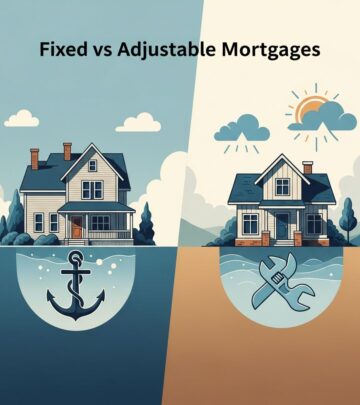
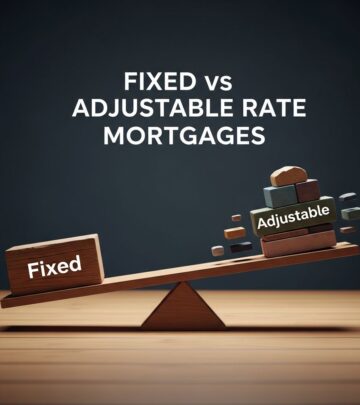
This structure offers peace of mind during recessions. Unlike adjustable-rate mortgages (ARMs), which can reset higher based on market indices, fixed-rate products insulate homeowners from immediate financial pressure tied to rising costs elsewhere. In 2026 projections, while rates for new loans are expected to average 6.3%—down from 6.6% in 2025—existing fixed-rate holders benefit without needing to act.
Home Value Fluctuations and Equity Impacts
Recessions frequently lead to declines in property values as buyer demand softens due to job insecurity and tighter lending. Home prices may dip, potentially reducing your equity if you’ve owned for a short time. For instance, forecasts suggest modest price growth of just 1% in 2026, reflecting a slow recovery rather than a boom.
However, this isn’t universal. Regional variations occur; urban areas with strong job bases might hold value better than rural or manufacturing-heavy zones. If values drop below your loan balance, you could face negative equity, complicating sales or refinances—but payments remain due. Monitoring local markets helps anticipate these shifts.
Job Loss and Income Disruptions: Available Relief
Losing employment is a common recession fear, yet federal protections exist for mortgaged homeowners. For government-backed loans (FHA, VA, USDA), forbearance allows pausing or reducing payments temporarily without immediate foreclosure risk. Servicers must explore options like this before advancing to stricter measures.
Private loans may offer similar hardship programs, often called payment deferral or modification. Contact your lender early—delays can limit choices. In a 2026 scenario with a weaker labor market prompting Fed cuts, these tools could prove vital as unemployment influences rate drops but hurts sales. Key steps include documenting hardship and applying promptly.
Types of Mortgage Relief During Hardship
- Forbearance: Pause payments for 3-12 months; missed amounts added to loan balance later.
- Loan Modification: Permanently lower rate or extend term to reduce monthly costs.
- Payment Deferral: Lump missed payments at loan end, preserving current rate.
- Refinance Programs: Switch to more affordable terms if eligible.
These aren’t automatic; proactive communication with your servicer is essential.
Refinancing Opportunities in Downturns
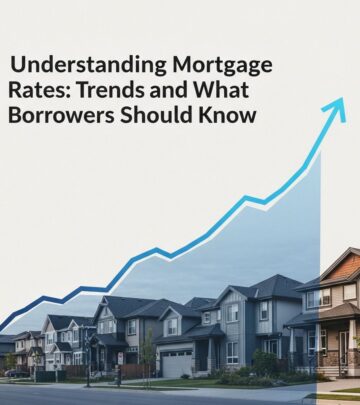
Lower rates during recessions can open refinancing doors. Experts predict 30-year fixed rates dipping to 6.15%-6.3% by late 2026, driven by Fed policy shifts and inflation control. Refinance volume could surge over 30%, reaching $670 billion, as 20% of homeowners with rates above 6% seek savings.
Benefits include reduced monthly payments or cash-out for emergencies. However, closing costs (2-5% of loan) and credit checks apply. If home values fall, you might not qualify due to loan-to-value ratios. Timing matters—lock in when rates hit lows, but avoid if planning a short-term move.
| Forecast Source | 2026 Rate Prediction | Key Driver |
|---|---|---|
| Redfin | 6.3% average | Fed cuts, neutral policy |
| Bright MLS | 6.15% end-of-year | Weaker job market |
| Morgan Stanley | 5.75% mid-year | Treasury yield drop |
| Bankrate | Around 6%, possibly 5.5% | Recession scare |
Affordability Challenges Persist
Even with rate relief, high home prices exacerbate affordability. Monthly payments have nearly doubled since 2020 for similar homes, demanding larger down payments and stricter debt-to-income ratios. In 2026, income growth may outpace prices slightly, but “payment shock”—comparing current vs. past costs—deters buyers.
Dual-income households often need family aid or savings to qualify. A 1.5-2.5% rate drop is needed for ‘normal’ feel, assuming stable prices. Sellers’ lock-in effect, where low-rate holders stay put, limits inventory, propping up costs.
Strategies for Homeowners Facing Recession
Preparation beats reaction. Build an emergency fund covering 6-12 months of expenses, including mortgage. Diversify income if possible. Review insurance for economic riders.
For buyers, prioritize fixed-rate loans over ARMs. Shop multiple lenders for best terms. In 2026, with rates stabilizing in low-6%, act before potential rebounds.
- Assess your equity and credit score quarterly.
- Explore rate alerts from banks.
- Consider shorter-term loans for long-term savers.
- Budget for maintenance to preserve value.
Adjustable-Rate Mortgages: Higher Risks
ARMs start with lower ‘teaser’ rates but adjust periodically, exposing holders to hikes during inflation spikes pre-recession. In downturns, if indices fall, payments drop—but recessionary volatility often means uncertainty. Convert to fixed if feasible.
Government Interventions and Policy Shifts
Recessions prompt aid like expanded FHA forbearance or Fed stimulus lowering benchmark rates. 2026 Fed leadership changes may influence long-term bonds, keeping mortgage rates elevated despite cuts. Track announcements from MBA or NAR for updates.
Long-Term Outlook Post-Recession
Markets rebound slowly; 2026 signals a ‘reset’ with 3% sales rise to 4.2 million homes annually. Refis and remodels increase as rates ease. Patience and financial discipline position homeowners for recovery gains.
Frequently Asked Questions
Will my mortgage payment increase in a recession?
No, for fixed-rate mortgages, payments stay fixed. Only ARMs might adjust.
Can I get help if unemployed?
Yes, forbearance and modifications are available, especially for government loans.
Should I refinance now or wait for 2026?
If your rate is high and you plan to stay long-term, consider now; further drops possible mid-2026.
What if my home value drops?
Equity shrinks, but you still owe the loan. Avoid selling at loss if possible.
Are low rates returning?
Not to 3%; 5-6% is the new normal per experts.
References
- Redfin’s 2026 Predictions: Welcome to The Great Housing Reset — Redfin. 2026-01 (approx). https://www.redfin.com/news/housing-market-predictions-2026/
- Economists expect ‘a reset’ for housing in 2026, ‘not a rebound’ — RealEstateNews.com. 2025-12-04. https://www.realestatenews.com/2025/12/04/economists-expect-a-reset-for-housing-in-2026-not-a-rebound
- Will Mortgage Rates Drop Further in 2026? What Experts Predict — MIDFLORIDA Credit Union. 2026 (recent). https://www.midflorida.com/resources/insights-and-blogs/insights/mortgage/will-mortgage-rates-drop-further-in-2026-what-experts-predict
- Home Affordability Crisis 2026: Why Falling Mortgage Rates Must Drop Dramatically — Amar Realtor. 2026 (approx). https://amarrealtor.com/real-estate-news/home-affordability-crisis-2026-why-falling-mortgage-rates-must-drop-dramatically-to-feel-normal-again/
- Will Mortgage Rates Go Down in 2026? — Morgan Stanley. 2026 (approx). https://www.morganstanley.com/insights/articles/mortgage-rates-forecast-2025-2026-will-mortgage-rates-go-down
- Mortgage Interest Rate Forecast For 2026 — Bankrate. 2026 (recent). https://www.bankrate.com/mortgages/mortgage-rates-forecast/
- What Happens to Your Mortgage During a Recession? 2026 Guide — US Recession News. 2026. https://usrecessionnews.com/what-happens-to-mortgage-during-recession/
Similar Articles








Read full bio of Sneha Tete