Mortgage Underwriting Process: Complete Guide
Master the mortgage underwriting process: steps, timeline, and what lenders evaluate.

What Is Mortgage Underwriting?
Mortgage underwriting is a critical process that lenders use to determine whether to approve or deny your mortgage application. During this phase, a mortgage underwriter—a professional employed by the lender—carefully verifies and assesses all the information provided in your application. This includes your income, cash reserves, investments, and existing debts. The primary goal of underwriting is to measure the amount of risk the lender will assume if it provides you with financing and to decide whether this risk level is acceptable for loan approval or denial.
Many lenders strictly adhere to underwriting guidelines issued by Fannie Mae and Freddie Mac, the government-sponsored entities that purchase mortgages on the secondary mortgage market. Following these guidelines makes mortgages eligible for purchase by these entities after closing, which is why they are so widely referenced throughout the industry.
Who Is a Mortgage Underwriter?
A mortgage underwriter is the professional responsible for evaluating your financial situation and determining your loan eligibility. By analyzing your finances comprehensively, the underwriter assesses the risk level associated with lending you money. They review your credit history and credit score, examine your financial profile in detail, and evaluate the results of a home appraisal. Based on this thorough analysis, the underwriter decides whether the risk is acceptable and whether to approve, deny, or conditionally approve your loan application.
Steps in the Mortgage Underwriting Process
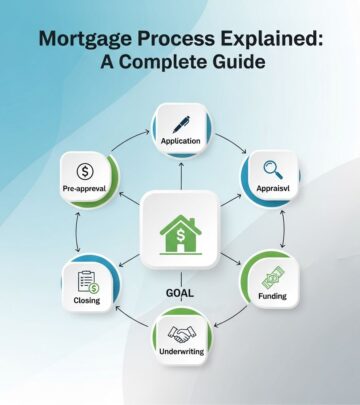
1. Preapproval
The mortgage underwriting journey begins with preapproval, a thorough vetting process in which a lender determines how much it is likely to loan you and at what interest rate. During preapproval, the lender conducts an initial review of your finances to establish your potential borrowing capacity. It’s important to understand that preapproval is not a guaranteed loan offer; rather, it’s an indication of what you may be able to borrow based on your current financial situation. Most homebuyers need preapproval before making offers on homes, as sellers want assurance that buyers have legitimate financing prospects.
2. Income, Asset, and Employment Verification
The next critical step involves verifying your credit, income, assets, and employment status. The underwriter will examine whether your finances meet the lender’s requirements and assess your capacity to repay the loan. This step is essential because it helps the lender understand your ability to make monthly mortgage payments reliably. The underwriter reviews your employment history, income documentation, and asset statements to paint a complete picture of your financial stability. They will also verify that you have sufficient funds available for both your down payment and closing costs.
3. Property Appraisal
After your offer on a home is accepted, the lender will order an appraisal of the property to determine whether the purchase price aligns with the home’s actual market value. The appraised value depends on many factors, including the home’s condition, size, location, features, and comparable properties (known as “comps”) in the neighborhood. The underwriter uses the current market value of the home to ensure it serves as adequate collateral for the loan. This step is crucial because it assures the lender that they can recover the unpaid loan balance in case of default. The property valuation confirms that the home’s worth supports both the purchase price and the requested loan amount.
4. Title Search and Title Insurance
A title company will conduct a comprehensive title search to ensure that the property can be legally transferred to you as the buyer. This search reveals any liens, claims, or other encumbrances on the property that might affect your ownership. Following the search, a title insurer will issue an insurance policy that guarantees the accuracy of the research and protects you and the lender against any future title defects or claims.
5. Credit History and Score Review
Throughout the underwriting process, the underwriter will thoroughly review your credit history and credit score. They examine your past borrowing behavior and payment history to understand how responsible you have been with credit obligations. A strong credit history with consistent on-time payments demonstrates to the lender that you are a reliable borrower. Your credit score serves as a numerical representation of your creditworthiness and plays a significant role in the lender’s approval decision and the interest rate you receive.
6. Debt-to-Income Ratio Evaluation
The underwriter analyzes your debt-to-income (DTI) ratio by examining all your existing debts—including student loans, auto loans, credit cards, and any other regular monthly obligations—alongside your current income. This calculation helps determine how much of your income goes toward debt payments and how much remains available for a mortgage payment. Lenders typically prefer borrowers with lower debt-to-income ratios, as this indicates greater capacity to afford the new mortgage payment without financial strain.
7. Documentation and Follow-Up Questions
As the underwriter examines your information, be prepared for follow-up questions and requests for additional documentation. This is a standard and normal part of the underwriting process. The lender may ask for clarification on various financial matters, explanations for credit issues, or additional supporting documents. Responding truthfully and promptly to these requests is essential for keeping the process moving forward efficiently.
8. Conditional Approval or Final Decision
At this stage, the underwriter decides whether to deny your application, approve it outright, or approve it with contingencies. Contingencies typically require you to provide additional documentation or meet specific conditions before final approval. Once your loan processor has gathered all necessary documents and conditions are satisfied, the loan moves toward the closing stage. Your loan processor will keep the application moving and eventually connect you with a closing agent to prepare for the final steps.
The Three C’s of Underwriting
Underwriters focus on three essential factors when evaluating mortgage applications, commonly known as the “Three C’s of Underwriting”:
| The Three C’s | What It Means | Key Considerations |
|---|---|---|
| Credit | Your credit history and score | Payment history, outstanding debts, credit utilization, length of credit history |
| Capacity | Your ability to repay the loan | Income, employment stability, debt-to-income ratio, financial reserves |
| Collateral | The property serving as loan security | Property appraisal, property condition, comparable sales, location desirability |
How Long Does Mortgage Underwriting Take?
Underwriting is typically the most time-consuming part of the home financing process. The initial review generally takes about three business days to complete, though this timeframe can vary significantly depending on individual circumstances. In many cases, the entire underwriting process takes between 40 and 50 days from start to finish. Several factors influence how long underwriting takes, including whether the underwriter needs additional information from you, how busy the lender is, and the lender’s specific underwriting practices and procedures.
You play an important role in keeping the timeline on track. The more quickly you compile your documents and respond to the lender’s requests for information, the more expeditiously you can receive a decision on your loan. Providing requested items within 48 hours is particularly important for avoiding unnecessary delays and keeping the process moving toward closing.
Documents You’ll Need During Underwriting
To facilitate the underwriting process, lenders typically request comprehensive financial documentation. Here are the common documents required:
Employment and Income Documentation
– Employment information from the past two years- W-2s from the past two years- Pay stubs from 30 to 60 days prior to application- Proof of employment verification- Tax returns for the past two years
Financial Statements and Assets
– Account information, including checking, savings, money market, CDs, investment and retirement accounts- Bank statements- Brokerage statements- Additional income information, such as alimony, child support, annuities, bonuses, commissions, dividends, interest, overtime payments, pensions, or Social Security payments
Personal Identification
– Photo identification and Social Security number- Proof of citizenship or legal residency
Manual Underwriting vs. Automated Underwriting
Automated Underwriting
Many lenders use automated underwriting systems where software initially evaluates your application and decides whether you are approved, rejected, or require additional information. Conventional conforming loans—those meeting standards set by the Federal Housing Finance Authority and eligible for purchase by Freddie Mac and Fannie Mae—typically use automated underwriting. This approach is faster and more efficient for straightforward applications.
Manual Underwriting
With manual underwriting, a human underwriter reviews your mortgage application, considering factors like debt, credit, and income. You can expect to go through many of the same steps as with automated underwriting, but the process typically takes longer and you may receive more questions from the underwriter. The underwriter will send you documentation requests, assess your documents carefully, check your credit report, and consider all aspects of your finances. They will evaluate your payment history, current debt levels, income stability, and ability to reasonably make payments on a new loan. Be prepared for follow-up questions—this is a standard part of manual underwriting. Once the underwriter gathers all necessary documents and information, they will provide a decision to approve, deny, or conditionally approve your application.
What Happens After Underwriting?
Once your loan is conditionally approved and all required documentation is received, your loan processor keeps the application moving toward the closing stage. Your home loan processor or mortgage consultant will walk you through the next steps and connect you with a closing agent. Closing your loan in a timely manner is extremely important, so remain responsive to any final requests. Your mortgage consultant or loan officer will be with you throughout the underwriting process to help guide you and answer any questions you may have about specific requirements or next steps.
Frequently Asked Questions About Mortgage Underwriting
Q: What is the difference between preapproval and underwriting?
A: Preapproval is an initial assessment of how much a lender may be willing to loan you based on preliminary financial information. Underwriting is the comprehensive verification and evaluation process that happens after you’ve made an offer on a home and submitted a full application, resulting in a final approval or denial decision.
Q: Can I be denied after being preapproved?
A: Yes, preapproval does not guarantee loan approval. During underwriting, the lender conducts a thorough review and may discover information or circumstances that lead to denial or conditional approval. This is why preapproval is considered an indication of borrowing capacity rather than a guaranteed loan offer.
Q: What can I do to speed up the underwriting process?
A: Respond promptly to all requests for information and documentation, compile your financial documents in advance, provide clear and complete information on your application, and maintain open communication with your lender. Responding within 48 hours to requests is particularly important for avoiding delays.
Q: Why do underwriters request letters of explanation?
A: Underwriters may request letters of explanation to understand specific financial situations, such as late payments, large deposits, job changes, or other factors that require clarification. These letters help the underwriter better assess your financial reliability and risk profile.
Q: Does underwriting mean my loan is approved?
A: Underwriting is the evaluation process that determines whether your loan will be approved, denied, or conditionally approved. A conditional approval means you must meet certain requirements before receiving final approval. Underwriting does not automatically mean your loan is approved.
Q: What credit score do I need to pass underwriting?
A: Credit score requirements vary by lender and loan type. Conventional loans typically require higher credit scores (usually 620 or above), while FHA loans may accept lower scores. Your underwriter will evaluate your entire credit profile, not just your score alone.
Q: Can changes in my financial situation during underwriting affect approval?
A: Yes, significant financial changes during underwriting—such as taking on new debt, changing jobs, or reducing assets—can affect your approval status. It’s important to inform your lender of any changes and maintain financial stability throughout the underwriting process.
References
- What Is The Mortgage Underwriting Process? — Bankrate. 2024. https://www.bankrate.com/mortgages/steps-in-underwriting-process/
- How To Get A Mortgage — Bankrate. 2024. https://www.bankrate.com/mortgages/how-to-get-a-mortgage/
- Mortgage underwriting process—How long does it take? — U.S. Bank. 2024. https://www.usbank.com/home-loans/mortgage/first-time-home-buyers/mortgage-underwriting-process.html
- The mortgage underwriting process for homebuyers — Wells Fargo. 2024. https://www.wellsfargo.com/mortgage/learn/steps-to-understand-mortgage-underwriting/
- What is manual mortgage underwriting? — Bankrate. 2024. https://www.bankrate.com/mortgages/manual-underwriting/
Similar Articles








Read full bio of medha deb