Mortgage Underwriting: What To Expect (Expert Guide)
Learn how lenders evaluate your financial profile during the underwriting process

When you apply for a mortgage, your lender initiates a comprehensive evaluation to determine whether lending you money presents an acceptable level of risk. This evaluation process, known as mortgage underwriting, forms one of the most crucial stages in the home financing journey. The underwriter—a qualified professional employed by your lender—conducts an in-depth analysis of your financial profile, the property you intend to purchase, and numerous other factors to make a final lending decision.
What Mortgage Underwriting Actually Involves
Mortgage underwriting represents far more than a simple review of your loan application. It is a rigorous examination that assesses your financial stability, evaluates the risk associated with the loan, and ensures the loan aligns with the lender’s established guidelines and criteria. During this phase, the underwriter verifies details about your income, assets, debts, credit history, and the property details to create a comprehensive financial picture.
The fundamental purpose of underwriting is to answer a critical question: Can you reliably repay this loan? To answer this question thoroughly, underwriters examine multiple dimensions of your financial life and the collateral securing the loan. This meticulous process protects both the lender and ensures that borrowers receive loans they can genuinely afford.
The Three Core Evaluation Categories
Underwriters focus on what industry professionals call the “three C’s” of underwriting when reviewing your mortgage application. Understanding these categories helps you prepare for the underwriting process and provides insight into what lenders prioritize when making lending decisions.
Credit: Your Borrowing History
The first C focuses on your credit, which reveals your historical approach to managing borrowed money. Underwriters examine your credit history to understand your past borrowing patterns and payment behavior. They review your credit report and credit score to assess whether you have consistently met your financial obligations.
This evaluation extends beyond simply checking your current score. Underwriters look for patterns such as late payments, defaults, collections, or other negative marks that might indicate financial instability. They also consider the age of negative items, understanding that older delinquencies carry less weight than recent ones. A strong credit history demonstrates to lenders that you have a reliable track record of honoring your financial commitments.
Capacity: Your Ability to Repay
The second C examines your capacity to afford the mortgage payments. Underwriters review your employment history and income documentation to assess your ability to repay the loan. This involves verifying that your income is stable, recurring, and sufficient to cover the monthly mortgage payment along with your other financial obligations.
Income verification extends beyond simply looking at your gross salary. Underwriters examine the stability and longevity of your income source. Self-employed borrowers and those with variable income face additional scrutiny to ensure their income is sustainable. Lenders want confidence that you will continue earning sufficient income throughout the loan’s term, particularly during the initial years when default risk is highest.
Collateral: The Property Value
The third C focuses on collateral—the property itself serves as security for the loan. Underwriters review an appraisal of the property to determine whether the property value adequately supports the purchase price and requested loan amount. If you default, the lender can foreclose and sell the property; therefore, the property must be worth at least as much as the loan amount.
The property evaluation considers the home’s condition, comparable sales in the area, and market conditions. An appraisal protects both the borrower and lender by ensuring the home’s value justifies the loan amount. If the appraisal comes in lower than expected, underwriters may request a larger down payment or might deny the loan if the property value cannot support the requested loan amount.
The Underwriting Process: Step-by-Step Progression
The underwriting process unfolds through several distinct stages, each serving a specific purpose in the overall evaluation.
Application Review and Assembly
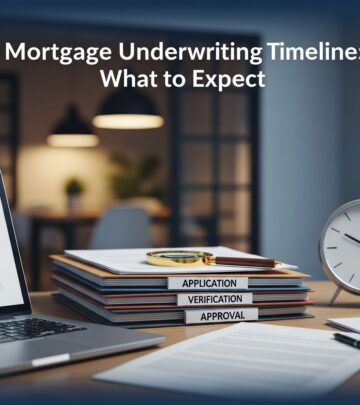
Before underwriting officially begins, a loan processor assembles and verifies all borrower and property documentation, creating a comprehensive loan file. The processor organizes your submitted documents and ensures nothing is missing. Once this file is complete, it moves to the underwriter for detailed evaluation.
Comprehensive Credit Analysis
The underwriter pulls your credit report and analyzes your complete credit history. This involves identifying all outstanding debts, payment patterns, and any delinquencies or negative items. The underwriter calculates your debt-to-income ratio, which compares your total monthly debt obligations to your gross monthly income.
Income and Employment Verification
The underwriter confirms your employment status and verifies your income through multiple documentation sources. This typically includes recent pay stubs, W-2 forms from the previous two years, and tax returns. For self-employed individuals, business tax returns and profit-and-loss statements provide income verification. The underwriter may contact your employer directly to confirm your current employment status and position.
Asset and Down Payment Verification
Underwriters verify your assets and confirm the source of your down payment through bank statements and investment account documentation. They ensure you have sufficient liquid assets to cover the down payment and closing costs. Additionally, lenders want to ensure the down payment funds are not borrowed, as this would increase your debt obligations.
Property Appraisal Evaluation
An appraisal of the property is conducted to establish its fair market value. The underwriter reviews this appraisal report, considering whether the property’s condition and value support the purchase price and loan amount. If the appraisal raises concerns about the property’s condition or value, the underwriter may request repairs or additional information before proceeding.
Overall Risk Assessment and Decision Making
After analyzing all components of your application, the underwriter conducts an overall risk assessment. They determine whether the loan presents an acceptable risk according to the lender’s guidelines and established criteria. This assessment leads to a final decision regarding your application.
Required Documentation for Underwriting Success
Preparing and organizing your documentation before beginning the underwriting process accelerates the timeline and demonstrates your preparedness as a borrower. The following documents are typically required:
- Completed loan application with accurate financial information
- Credit report authorization (lender pulls this independently)
- Recent pay stubs, typically from the past 30 days
- W-2 forms from the previous two years
- Federal tax returns from the past two years
- Bank statements covering the previous two months
- Investment account statements showing available assets
- Retirement account documentation
- Employment verification letter or contact information
- Debt statements for all outstanding obligations
- Documentation of additional income sources (bonuses, side income)
- Purchase agreement for the home
- Property appraisal report
- Proof of homeowners insurance with the 12-month declaration page
Organizing these documents and having them ready when requested significantly streamlines the underwriting process and demonstrates your commitment to completing the loan application efficiently.
Timeline Expectations: How Long Does Underwriting Take?
The duration of the underwriting process varies considerably depending on multiple factors. Different underwriting approaches produce different timelines:
| Underwriting Type | Typical Duration | Description |
|---|---|---|
| Automated Underwriting | Nearly instantaneous | Computer systems evaluate application against preset criteria |
| Manual Underwriting | 3-7 business days | Human underwriter reviews documents in detail |
| Standard Review | 3 business days initial review | Typical first review period before additional requests |
| Complex Cases | Several weeks or longer | Self-employed, multiple properties, or unusual circumstances |
| Overall Process | 30-60 days | From submission through final decision, accounting for document requests and verifications |
Several factors influence how long your underwriting takes. The loan type (conventional, FHA, VA, or USDA) affects the timeline. Current lender volume matters significantly; during busy seasons, underwriters handle more applications, which can extend processing times. Whether an extended review becomes necessary—for instance, if new information emerges or additional documentation is required—also impacts the timeline. Self-employed borrowers, those with complex financial situations, or applicants with credit issues typically experience longer underwriting periods.
Understanding Underwriting Decision Outcomes
After the underwriter completes their review, they make a final decision regarding your application. This decision falls into one of three categories:
Clear to Close (Full Approval)
Full approval means you have been cleared to close on your mortgage. After a thorough assessment, the underwriter has confirmed your eligibility for the loan and granted final approval. You may now proceed with the loan closing process with confidence that financing is secured.
Conditional Approval
A conditional approval means your mortgage will likely be approved, but approval is contingent upon fulfilling specific requirements set by the lender. These conditions might include obtaining homeowners insurance, resolving a discrepancy in your employment history, providing documentation of an additional asset, or addressing questions about unusual bank deposits.
Receiving conditional approval signals that the underwriter believes your application is sound but needs clarification or completion of specific items before final approval. Once you provide the required documentation or satisfy the conditions, you should receive full approval. Conditions are common and do not necessarily indicate a problem with your application.
Loan Application Denial
In some cases, the underwriter determines that the loan presents unacceptable risk and denies the application. This might occur if your credit score falls below the lender’s minimum requirements, your debt-to-income ratio exceeds acceptable limits, the property appraises for significantly less than the purchase price, or you cannot adequately verify income or assets.
What Happens After Underwriting Approval
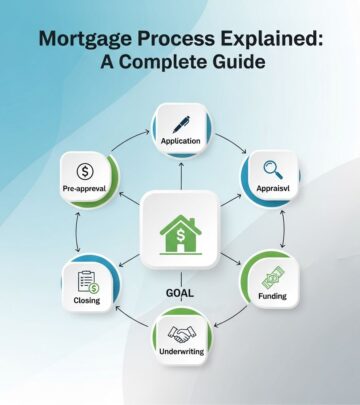
Once you receive full approval and all conditions are satisfied, you move into the final stage of the home purchase process. At least three days prior to closing, your lender will provide a Closing Disclosure that includes your loan terms, projected monthly payments, and final costs. You should review this document carefully, especially the amount you need to bring to closing.
The closing process itself involves signing final paperwork, settling closing costs, and receiving the title and keys to your new home. Your lender funds the loan, and you complete the purchase transaction with the seller.
Preparing Yourself for a Smooth Underwriting Experience
Several proactive steps can help ensure your underwriting process proceeds smoothly and efficiently. First, organize all required documentation before beginning your application. Having documents readily available when requested prevents delays. Second, be completely honest and accurate on your loan application; any discrepancies between your application and supporting documents will be flagged for review.
Third, avoid making major financial changes during underwriting. Do not open new credit accounts, close existing accounts, make large purchases, or change jobs without informing your lender. These actions can affect your credit score or debt-to-income ratio and potentially jeopardize your approval.
Fourth, respond promptly to any requests from your lender or underwriter for additional documentation or information. Delayed responses extend the underwriting timeline and increase the risk that your loan approval could be affected by market changes or updated financial information.
Finally, maintain open communication with your loan officer throughout the process. They can answer questions about what the underwriter needs and provide guidance on how to address any issues that arise during underwriting.
Conclusion: The Foundation of Responsible Lending
Mortgage underwriting exists to protect both lenders and borrowers. For lenders, it minimizes the risk of default and financial loss. For borrowers, it ensures that loans are structured appropriately and that you receive financing you can realistically afford. By understanding what underwriters evaluate, organizing your documentation, and preparing for the process, you can navigate underwriting with confidence and move toward successfully closing on your new home.
References
- What is Mortgage Underwriting? A Comprehensive Guide — DSLD Mortgage. Accessed February 6, 2026. https://www.dsldmortgage.com/blog/what-is-mortgage-underwriting/
- What Is Mortgage Underwriting? — My Home by Freddie Mac. Accessed February 6, 2026. https://myhome.freddiemac.com/blog/homebuying/mortgage-underwriting
- What’s underwriting in the mortgage process — Guild Mortgage. Accessed February 6, 2026. https://www.guildmortgage.com/blog/whats-underwriting-in-the-mortgage-process/
- Mortgage underwriting process—How long does it take? — U.S. Bank. Accessed February 6, 2026. https://www.usbank.com/home-loans/mortgage/first-time-home-buyers/mortgage-underwriting-process.html
- Underwriting in the mortgage process, explained — Rocket Mortgage. Accessed February 6, 2026. https://www.rocketmortgage.com/learn/what-is-underwriting
- The mortgage underwriting process for homebuyers — Wells Fargo. Accessed February 6, 2026. https://www.wellsfargo.com/mortgage/learn/steps-to-understand-mortgage-underwriting/
- Explaining the Home Loan Process Part 4: Mortgage Underwriting — PennyMac. Accessed February 6, 2026. https://www.pennymac.com/blog/explaining-the-loan-process-part-4-mortgage-underwriting
- What Is The Mortgage Underwriting Process? — Bankrate. Accessed February 6, 2026. https://www.bankrate.com/mortgages/steps-in-underwriting-process/
Similar Articles








Read full bio of Sneha Tete