Mortgage Rates and Inflation: A 2026 Guide
Understanding how inflation drives mortgage rates and what it means for homebuyers in 2026

The relationship between inflation and mortgage rates is one of the most important factors affecting homebuyers’ decisions today. If you’re considering purchasing a home or refinancing an existing mortgage, understanding how these economic forces interact can help you time your purchase strategically and choose the right loan product for your situation.
The Core Connection Between Inflation and Borrowing Costs
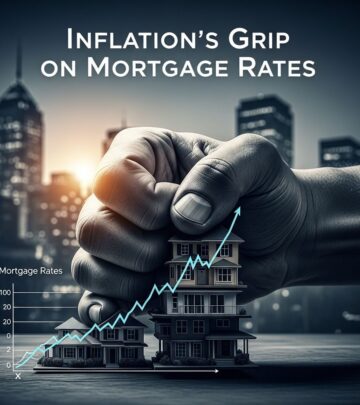
Inflation—the general increase in prices for goods and services over time—directly influences how much lenders charge for mortgages. When inflation rises, the purchasing power of money decreases, meaning each dollar becomes worth less in real terms. Lenders respond to this erosion of value by raising interest rates to compensate for the reduced value of money they’ll receive in the future.
Consider a practical example: if you borrow $300,000 today at a fixed rate and repay it over 30 years, lenders want to ensure they’re adequately compensated for inflation that will occur during that entire period. If inflation turns out higher than expected, the money they receive at the end of the loan will be worth considerably less than anticipated. This economic reality is why mortgage rates and inflation tend to move in tandem.
- High inflation typically pushes mortgage rates upward
- Low inflation creates conditions for rates to stabilize or decline
- Inflation expectations influence current rate-setting decisions
- Economic growth combined with inflation increases demand for borrowing, adding upward pressure to rates
How Central Banks Shape the Mortgage Rate Environment
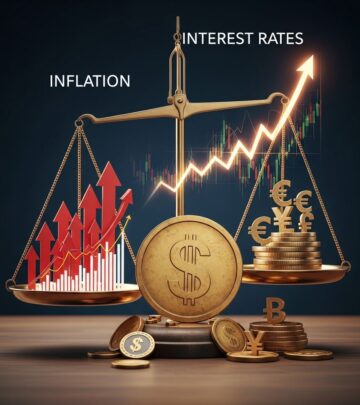
While the Federal Reserve doesn’t directly set mortgage rates, its policies create the foundation for all lending decisions in the economy. When the Fed raises its target interest rate in response to high inflation, banks and mortgage lenders face higher costs for obtaining funds. They pass these increased costs along to borrowers through higher mortgage rates.
The Fed’s primary objective remains maintaining price stability, with an inflation target of approximately 2% annually. When inflation exceeds this target, the Fed typically increases rates to cool economic activity and reduce spending. Conversely, when inflation falls below target and economic growth slows, the Fed may lower rates to encourage borrowing and investment.
This dual mandate—managing inflation while supporting employment—means Fed decisions don’t happen in isolation. The central bank must balance fighting inflation against the need to keep the economy growing and stable. This careful approach is one reason economists expect mortgage rates in 2026 to remain relatively stable rather than experiencing dramatic swings.
The Transmission from Fed Policy to Your Mortgage
Understanding the pathway from Fed decisions to your actual mortgage rate helps clarify why economic headlines matter for homebuyers. The process works through several interconnected channels:
- Direct influence on bond markets: The Fed’s rate decisions affect Treasury bond yields, which mortgage lenders use as a benchmark when pricing mortgages
- Lender funding costs: Banks pay more to borrow funds from other financial institutions when the Fed raises rates, leading them to increase mortgage rates to maintain profitability
- Market expectations: Investors and lenders adjust current rates based on their expectations about future Fed policy, sometimes moving rates before official policy changes occur
- Competitive pressure: As some lenders adjust rates in response to Fed policy, competitors follow to remain competitive in the marketplace
Economic Growth, Inflation, and Rate Movements
The relationship between economic growth and inflation creates additional complexity in mortgage rate determination. When the economy expands rapidly, consumers and businesses increase borrowing to fund purchases and investments. This surge in demand for credit puts upward pressure on interest rates across the economy, including mortgage rates.
Strong economic growth also tends to push inflation higher as wages rise and demand for goods and services increases. Both factors—greater borrowing demand and higher inflation expectations—combine to elevate mortgage rates during expansion periods. Conversely, when economic growth slows and inflation cools, demand for borrowing typically decreases, creating room for rates to stabilize or decline.
This interconnection explains why mortgage rates don’t simply respond to inflation in isolation. Instead, they reflect the broader economic picture, including employment conditions, wage growth, consumer confidence, and business investment plans.
2026 Mortgage Rate Forecasts and Inflation Expectations
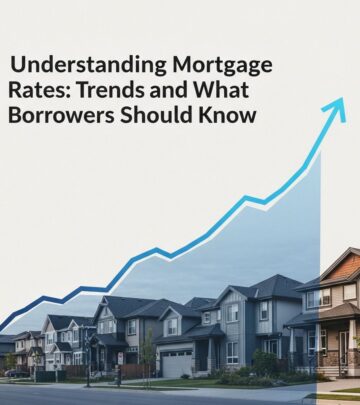
Professional forecasters and major financial institutions have begun publishing their outlooks for mortgage rates in 2026. Most predictions suggest rates will stabilize in a moderate range rather than spike dramatically or collapse to historic lows.
| Forecast Source | 2026 Rate Projection | Key Assumption |
|---|---|---|
| Industry consensus | 5.5% – 6.0% | Inflation stabilizes toward Fed target |
| J.P. Morgan | 6% or higher (fixed-rate) | Fed maintains restrictive stance |
| Morgan Stanley | Approximately 5.75% | Gradual Fed easing as inflation cools |
| National Association of Realtors | Lower than recent years | Continued modest disinflation trend |
These forecasts assume that inflation gradually moves closer to the Fed’s 2% target as monetary policy continues to restrain excessive price growth. If inflation unexpectedly accelerates, rates could climb beyond these projections. If disinflation proceeds faster than anticipated, rates might fall below these ranges.
How Different Mortgage Products Respond to Inflation
The type of mortgage you choose significantly affects how inflation impacts your monthly payment over the life of your loan.
Fixed-Rate Mortgages and Inflation Protection
Fixed-rate mortgages lock in your interest rate for the entire loan term—typically 15, 20, or 30 years. Once you sign the loan documents, your rate cannot change regardless of what happens to inflation, Fed policy, or market conditions. This provides complete certainty about your housing payment and shields you from future rate increases.
However, fixed rates reflect lenders’ expectations about future inflation when you originate the loan. If inflation turns out lower than expected, you’ll be paying a higher rate than necessary. Conversely, if inflation exceeds expectations, your fixed rate protects you from the worst consequences of high inflation.
Adjustable-Rate Mortgages and Inflation Risk
Adjustable-rate mortgages (ARMs) feature interest rates that change periodically after an initial fixed-rate period. The rate adjustments typically occur annually or semi-annually and adjust based on a specific index plus the lender’s margin.
ARMs offer lower initial rates compared to fixed-rate mortgages, making them attractive to borrowers who plan to sell or refinance before the adjustment period begins. However, ARMs transfer inflation risk to the borrower. If inflation rises significantly and the Fed increases rates in response, ARM payments can increase substantially when the adjustment period arrives.
The relationship between inflation and ARM payments works directly: higher inflation generally leads to higher interest rate adjustments on ARMs, while lower inflation results in more modest payment increases.
Global Economic Influences on U.S. Mortgage Rates
While domestic inflation and Fed policy form the foundation of mortgage rate determination, global economic conditions also play a meaningful role. International investors purchase billions of dollars in U.S. Treasury bonds and mortgage-backed securities. When global confidence in U.S. assets increases, demand for these securities rises, pushing yields and mortgage rates lower. When international uncertainty rises, investors may reduce U.S. purchases, contributing to higher rates.
Additionally, global inflation patterns, international interest rate decisions by central banks like the European Central Bank or Bank of England, geopolitical tensions, and energy price fluctuations all filter through to affect U.S. mortgage rates. For example, global energy price spikes can increase inflation worldwide and influence expectations about future Fed policy.
Individual Factors Beyond Inflation That Determine Your Rate
While inflation and Fed policy set the broader context for mortgage rates, your individual loan characteristics and creditworthiness also determine the specific rate you receive.
- Credit score: Borrowers with excellent credit typically receive lower rates than those with marginal credit histories
- Down payment size: Larger down payments generally qualify for better rates, as they represent lower risk to lenders
- Loan-to-value ratio: How much you’re borrowing relative to the property’s value affects pricing
- Loan type and terms: 15-year mortgages typically carry lower rates than 30-year loans; jumbo loans may price differently than conforming mortgages
- Property characteristics: Single-family homes often receive better rates than investment properties or non-standard properties
- Market competition: Lenders’ inventory levels and competitive positioning influence the rates they’re willing to offer
Strategic Considerations for Homebuyers in 2026
Given the expected inflation and interest rate environment for 2026, homebuyers face several strategic questions.
Timing Considerations
Waiting indefinitely for “perfect” rates often costs more than purchasing with a reasonable plan. If you need housing and can afford current payments, waiting for rates to potentially drop by a quarter-point may mean paying significantly more for the home itself as prices continue rising. Conversely, if you’re not in a rush and believe rates will decline substantially, building additional savings while you wait might make financial sense.
Fixed-Rate vs. Adjustable-Rate Decisions
With fixed rates projected around 5.75% to 6.0%, borrowers should evaluate whether they can afford the payment at these rates if planning to stay in the home long-term. If inflation remains elevated and the Fed maintains restrictive policy, fixed rates protect you from payment shocks. If you plan to sell within 5-7 years, an ARM with a lower initial rate might offer savings, but only if you’re confident you’ll execute the exit plan.
Refinancing Opportunities
Homeowners with mortgages originated at much lower rates should monitor rate trends. If rates decline significantly from current levels, refinancing to a fixed rate could lock in long-term savings. However, refinancing requires paying closing costs, so the rate reduction needs to be substantial enough to justify the expense.
Frequently Asked Questions
Will mortgage rates continue rising with inflation in 2026?
Most forecasts expect rates to stabilize in the 5.5% to 6.0% range rather than rise substantially further. This assumes inflation gradually approaches the Fed’s 2% target. Rates could exceed these projections if inflation accelerates unexpectedly.
How much do Fed rate changes typically affect mortgage rates?
Mortgage rates don’t move point-for-point with Fed changes but generally move in the same direction. A 0.25% Fed increase might translate to a 0.15% to 0.25% increase in mortgage rates depending on market conditions.
Should I lock my rate or wait for lower rates?
This depends on your specific situation: timeline for purchase, ability to afford current payments, financial security, and personal risk tolerance. If you plan to purchase soon and can afford current payments, locking a rate eliminates uncertainty. If you can wait and believe rates will decline significantly, waiting might save money, though home prices could increase during the waiting period.
Do inflation expectations affect current mortgage rates?
Yes, significantly. Lenders and investors set current rates based partly on their expectations about future inflation. If they expect higher inflation ahead, they’ll demand higher rates today to compensate for anticipated currency debasement.
How does an ARM protect or expose me to inflation risk?
ARMs expose you to inflation risk after the initial fixed-rate period. If inflation rises and the Fed increases rates, your ARM payment will increase at the next adjustment date. Fixed rates protect you from this risk but charge a higher initial rate to compensate lenders for inflation uncertainty.
References
- How Inflation and the Global Economy Impact Mortgage Rates in 2026 — Sistar Mortgage. 2026. https://sistarmortgage.com/blog/inflation-global-economy-mortgage-rates
- How does inflation affect mortgage interest rates? — Mortgage Advice Bureau. 2024. https://www.mortgageadvicebureau.com/remortgaging/how-does-inflation-affect-mortgage-interest-rates/
- How Does Inflation Affect Mortgage Rates in 2026? — AmeriSave. 2026. https://www.amerisave.com/learn/how-does-inflation-affect-mortgage-rates
- The outlook for the US housing market in 2026 — J.P. Morgan. January 27, 2026. https://www.jpmorgan.com/insights/global-research/real-estate/us-housing-market-outlook
- Will Mortgage Rates Go Down in 2026? — Morgan Stanley. 2026. https://www.morganstanley.com/insights/articles/mortgage-rates-forecast-2025-2026-will-mortgage-rates-go-down
Similar Articles








Read full bio of Sneha Tete