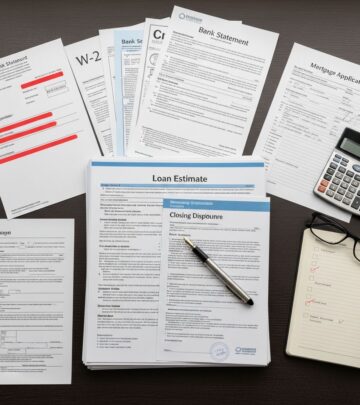
Essential Documentation for Mortgage Preapproval
Complete guide to gathering financial documents for mortgage preapproval success

Preparing to purchase a home is one of the most significant financial decisions you'll make. Before you begin house hunting or make an offer on a property, securing mortgage preapproval is a crucial first step. This financial clearance demonstrates to sellers that you're a qualified buyer with the resources to complete the purchase. However, the preapproval process requires substantial documentation. Lenders need comprehensive information about your financial situation to determine how much they're willing to lend and at what interest rate. Understanding what documents to gather upfront can streamline the preapproval process and move you closer to homeownership.
Why Documentation Matters in the Preapproval Process
Mortgage lenders operate under strict regulatory requirements that mandate thorough financial verification before committing to lending decisions. The documentation you provide serves multiple purposes in this evaluation. First, it establishes your income level and employment stability, which directly influences the maximum loan amount you can qualify for. Second, it verifies your existing debts and financial obligations, allowing lenders to calculate your debt-to-income ratio—a critical metric in determining your borrowing capacity. Third, it confirms you have sufficient liquid assets or savings to cover your down payment and closing costs. Finally, it demonstrates your creditworthiness and financial responsibility over time. By preparing comprehensive documentation, you expedite the preapproval decision and increase the likelihood of favorable lending terms.
Income Verification: The Foundation of Your Application
Income documentation forms the cornerstone of any mortgage preapproval. Lenders must confirm that you have stable, verifiable earnings sufficient to make monthly mortgage payments. The specific documents required depend on your employment situation, but all borrowers must demonstrate consistent income patterns.
Traditional Employment Documentation
If you work as a salaried or hourly employee, start by gathering your most recent pay stubs—typically covering the past 30 to 60 days. These stubs should clearly display your gross income, year-to-date earnings, company information, and pay frequency. Pay stubs provide real-time evidence that you're currently employed and earning the income you've claimed.
Beyond recent pay stubs, you'll need to provide your W-2 forms from the previous two years. These federal tax documents verify your reported annual income and demonstrate employment continuity. Your federal income tax returns for the same two-year period provide additional income verification and show the tax authority's confirmation of your earnings. Together, these documents create a comprehensive income history that reassures lenders about your earning capacity and stability.
Self-Employment Income Considerations
Self-employed borrowers face more rigorous documentation requirements because income varies and verification is more complex. You must provide business and personal tax returns for the past one to two years, demonstrating your average earnings over time. Additionally, you should prepare a current year profit-and-loss statement showing your year-to-date business performance. A current balance sheet provides a snapshot of your business's financial health, including assets and liabilities.
Lenders also request business bank statements to verify deposits and cash flow patterns. If your business maintains separate accounting records or holds professional licenses, have those available as well. Any additional business income sources must be documented with supporting evidence. This thorough approach helps lenders assess whether your self-employment income is sustainable and reliable enough to support mortgage obligations.
Alternative Income Sources
If you receive income beyond your primary employment, documentation requirements expand accordingly. Bonus income requires written verification from your employer confirming the bonus structure and your eligibility. Social Security benefits require a current statement from the Social Security Administration showing your monthly payment amount. Pension or retirement distributions need documentation from the distributing institution confirming payment amounts and terms. Child support or alimony income requires a copy of the court order establishing the obligation and proof of consistent payments. Disability benefits need verification documentation from the issuing government agency. Having complete records of all income sources prevents delays and ensures your full earning picture is considered.
Asset Documentation: Proving Financial Capacity
Beyond income, lenders need comprehensive documentation of your financial assets. This verification demonstrates you have sufficient reserves to cover your down payment, closing costs, and ideally some additional emergency reserves.
Bank Account Statements
You'll typically need to provide bank statements covering the past two to three months from all your checking and savings accounts. These statements serve multiple functions: they verify your liquid assets available for down payment and closing costs, show consistent deposits that confirm your income, and demonstrate responsible financial management. Lenders examine these statements for any unusually large deposits that don't match your documented income, as such deposits may require explanation letters verifying their source.
Investment and Retirement Accounts
Lenders also consider investment accounts, retirement funds, and other financial holdings as available assets. You should gather statements from the past two to three months for any 401(k) accounts, individual retirement accounts (IRAs), certificates of deposit (CDs), mutual funds, stocks, bonds, or other investment vehicles you own. These accounts demonstrate financial discipline and provide reserves you could theoretically access if needed. Some lenders count retirement accounts toward your total assets, while others exclude them from calculations. Providing this documentation gives lenders complete visibility into your financial position.
Gift Letter Documentation
If a family member or friend is helping you cover your down payment, you'll need a written gift letter from the donor. This letter must confirm the gift amount, state that the funds are a gift rather than a loan requiring repayment, and be signed by the donor. Lenders require this documentation to ensure the down payment source is legitimate and that you're not taking on hidden debt that would affect your debt-to-income ratio.
Debt and Liability Documentation
Lenders must understand all your financial obligations to calculate your debt-to-income ratio accurately. This ratio—your total monthly debt payments divided by your gross monthly income—significantly influences lending decisions.
Loan Statements
Gather recent statements (typically from the past 60 days) for all loans you maintain, including auto loans, personal loans, student loans, and any other outstanding debt. These statements show current balances and minimum monthly payments. If you're carrying multiple student loans, get statements for each one. These documents provide lenders with precise payment obligations they'll use in their calculations.
Credit Card Information
You should list all credit cards you maintain, including the creditor names, account numbers, current balances, and minimum monthly payments. While lenders pull your credit report showing this information, providing it upfront demonstrates transparency and helps verify accuracy. This documentation helps lenders understand your consumer debt load beyond just mortgage obligations.
Additional Recurring Obligations
If you have monthly obligations for child support, alimony, or other court-ordered payments, provide documentation of these requirements. Similarly, if you carry significant medical debt or other recurring monthly payments, document these. Mortgage insurance, property tax obligations (if you own other properties), and homeowners insurance premiums on existing properties all factor into debt-to-income calculations. Comprehensive documentation prevents surprises during the underwriting process.
Identification and Personal Information
Lenders must verify your identity and personal details for security and regulatory compliance purposes. You'll need to provide a government-issued photo identification such as a driver's license or passport. Your Social Security card or number is essential for credit reporting and verification. Some lenders may also request documentation proving legal residency if you're not a U.S. citizen.
Additionally, prepare a list of your recent addresses for the past several years, noting how long you lived at each location. This residential history helps lenders verify your background and stability. If you're currently renting, gather contact information for your landlord and provide proof of on-time rental payments for the past 12 to 24 months through canceled checks, bank statements, or receipts. This rental payment history demonstrates your track record of meeting housing obligations.
Credit Report and Authorization
As part of the preapproval process, your lender will run a credit check with your authorization. You'll typically sign a document permitting the lender to obtain and review your credit report and credit score. This authorization is standard practice and necessary for the lender to assess your creditworthiness. Understanding your credit score before applying helps set realistic expectations for approval and interest rates.
Special Circumstances and Additional Documentation
Depending on your unique situation, lenders may request additional documentation. If you're purchasing a property with a purchase agreement already signed, you'll typically provide a copy of that agreement along with documentation of your earnest money deposit. If you're currently selling another property, provide the listing agreement and any pending sale offers.
For borrowers with multiple properties, provide information on existing real estate holdings, including current mortgage statements showing account details and recent payment history. If you've recently changed jobs, a job offer letter or employment verification letter from your new employer may be required to confirm income continuity. For any large deposits appearing in your bank statements that don't correspond to regular paychecks, prepare written explanations verifying their source and legitimacy.
Organizing Your Documentation Package
Successful preapproval requires organized, comprehensive documentation. Create a checklist of required items and gather everything before submitting your application. Use a folder or digital file to organize documents by category—income, assets, debts, and identification. Label each document clearly with dates and what it represents. Ensure all documents are legible, complete, and current. Photocopies or digital scans are typically acceptable, but verify your lender’s preferences regarding document format and submission method.
Having everything organized and ready not only demonstrates professionalism but also accelerates the preapproval timeline. Lenders can begin their review immediately rather than requesting missing documents piecemeal, which delays the entire process. The faster you move through preapproval, the sooner you can begin making offers on properties with confidence.
Understanding the Preapproval Timeline
After you submit your documentation, lenders typically require several business days to review everything thoroughly. An underwriter will examine your financial situation comprehensively, calculating your debt-to-income ratio, assessing your creditworthiness, and verifying all information. Some lenders can verify certain information electronically, while others may request clarification letters explaining specific items. Once the lender completes their review, they issue a preapproval letter detailing the loan amount they’re willing to lend, your expected interest rate, and how long the preapproval remains valid (typically 90 to 120 days).
Having comprehensive documentation ready from the start prevents delays and keeps you on schedule. Any gaps in your documentation package simply push back your preapproval date, postponing your ability to make offers on homes.
Common Documentation Mistakes to Avoid
Many borrowers inadvertently delay their preapproval by making documentation errors. Don’t submit incomplete bank statements—provide all pages even if some are blank. Don’t overlook income sources you think are insignificant; if it appears on your tax return, include documentation. Don’t provide documents from more than three months ago when lenders specifically request current statements. Don’t neglect to explain large deposits or unusual transactions; proactive explanation prevents follow-up requests. Finally, don’t wait until you’re submitting your application to gather documentation; collect everything in advance so you’re ready immediately.
Similar Articles








Read full bio of medha deb