Mortgage Payment Increases: 5 Ways To Lower Or Stabilize
Discover the hidden reasons behind rising mortgage payments and learn actionable steps to manage and reduce your costs effectively.
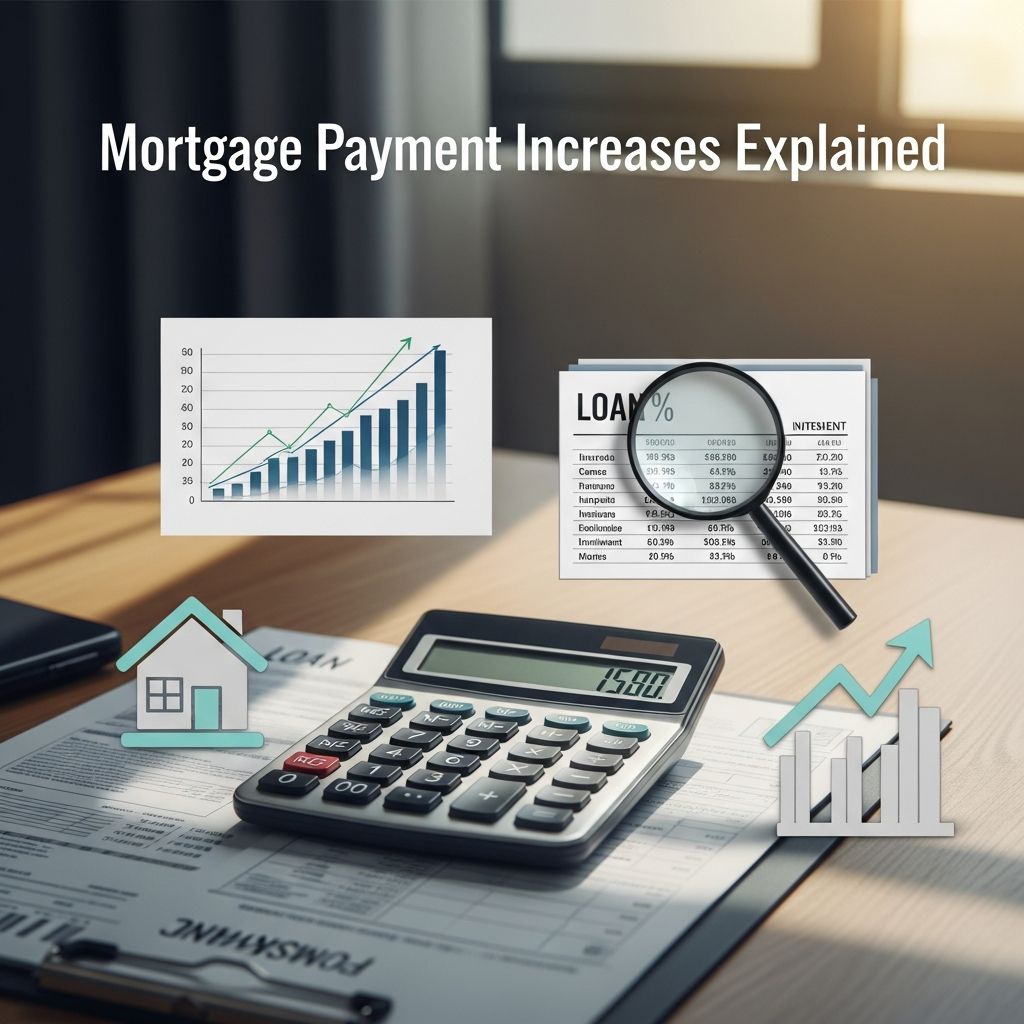
Your monthly mortgage payment is a cornerstone of household budgeting, but it can shift unexpectedly even on fixed-rate loans. These changes often stem from components like escrow funds for taxes and insurance, or inherent loan features. This guide breaks down the primary drivers, how to diagnose them, and practical solutions to address rising costs.
Understanding the Components of Your Mortgage Payment
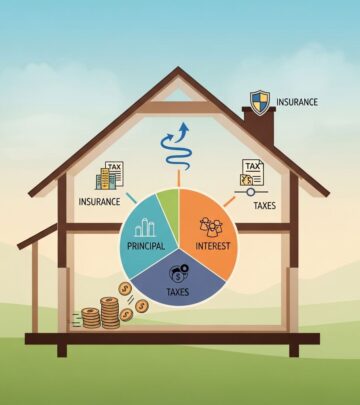
A typical mortgage payment, known as PITI, includes principal, interest, taxes, and insurance. Principal and interest repay the loan, while taxes and insurance are often escrowed—meaning your lender collects and holds these funds to pay bills on your behalf. Even if your interest rate stays fixed, fluctuations in taxes or insurance directly impact your total payment.
- Principal: Reduces your loan balance over time.
- Interest: The cost of borrowing, fixed for most conventional loans.
- Taxes: Local government levies based on property value.
- Insurance: Homeowners coverage protecting against damage or liability.
Escrow accounts require annual reviews by your servicer to ensure sufficient funds. Shortfalls lead to payment hikes to rebuild reserves.
Escrow Account Adjustments: The Most Frequent Culprit
Escrow shortages occur when projected taxes or insurance exceed collected amounts. Servicers perform analyses yearly, adjusting payments if needed. For example, a $600 annual tax increase translates to $50 more monthly.
| Escrow Item | Common Change Triggers | Impact Example |
|---|---|---|
| Property Taxes | Reassessments, rate hikes, lost exemptions | $600/year rise = +$50/month |
| Homeowners Insurance | Inflation, claims history, coverage updates | $300/year rise = +$25/month |
If overfunded, you receive a surplus check or credit, lowering future payments.
Property Tax Fluctuations and How They Affect You
Property taxes fund local services like schools and roads, calculated as a percentage of your home’s assessed value. Increases happen via millage rate changes (local votes), value reassessments, or improvements like additions. Homestead exemptions expiring can also spike bills.
In high-growth areas, rising home values prompt reassessments, pushing taxes up 10-20% in some cases. Check your county assessor’s site for notices and appeal if inaccurate.
Rising Homeowners Insurance Premiums
Insurance costs climb due to inflation, severe weather risks, or rebuilding cost surges. Lenders require adequate coverage, so premium hikes flow through escrow. Shopping providers annually can yield savings, but ensure lender approval for switches.
Recent trends show averages up 20% nationally from climate-related claims. Bundling with auto insurance or raising deductibles often cuts rates.
Adjustable-Rate Mortgages and Rate Resets
Unlike fixed-rate loans, ARMs have introductory fixed periods (e.g., 5/1 ARM: 5 years fixed, then annual adjustments). Rates tie to indexes like SOFR plus a margin, rising with markets. A 2% jump on a $300,000 loan adds over $200 monthly.
Temporary buydowns artificially lower early rates, with payments normalizing later. Review your loan docs to confirm type—many mistake ARMs for fixed.
Private Mortgage Insurance (PMI) Shifts
PMI protects lenders on loans with less than 20% down. Premiums can rise with credit changes or drop once equity hits 20% (auto-cancel at 22%). Request cancellation with an appraisal showing equity.
Alternatives like lender-paid PMI trade upfront fees for monthly hikes—watch for these.
Other Potential Factors: Fees and Loan Modifications
New servicer fees, late charges, or servicing transfers can increment payments. Interest-only periods ending force principal payments, doubling some bills. SCRA benefits for service members expire post-duty.
Refinances introduce new terms; ensure the rate justifies costs.
Steps to Diagnose and Verify Your Payment Change
- Review your monthly statement for a breakdown—escrow analysis notices explain adjustments.
- Contact your servicer for an escrow statement detailing shortfalls.
- Check tax assessor records and insurance declarations for recent bills.
- Confirm loan type via original docs or servicer portal.
By law, servicers must provide 60-day notice for escrow changes over 10%.
Strategies to Lower or Stabilize Payments
Once identified, act decisively:
- Appeal Taxes: Challenge assessments if evidence shows overvaluation—success rates average 40-60%.
- Shop Insurance: Compare quotes; savings average $500/year.
- Refinance: Lock fixed rates if eligible; calculate break-even.
- Pay Down Principal: Builds equity faster, drops PMI.
- Escrow Waiver: Eligible borrowers pay taxes/insurance directly, avoiding shortages (but requires 1-2 months’ reserves).
For ARMs, refinance before resets if rates favor it.
Long-Term Budgeting for Mortgage Stability
Build a buffer for 10-15% annual escrow swings. Track local tax trends via tools like ATTOM Data. Consider recasting loans post-lump sums to lower payments without refinancing.
Homeowners facing hardship explore forbearance or modifications via servicers.
Frequently Asked Questions
Can a fixed-rate mortgage payment increase?
Yes, primarily from escrow changes for taxes or insurance, not the rate itself.
How often do escrow analyses occur?
Annually, or mid-year if significant changes anticipated.
What if I think the adjustment is wrong?
Dispute in writing within servicer timelines; they must respond.
Does refinancing always lower payments?
No—current rates and fees matter; use calculators for projections.
When can I remove PMI?
At 20% equity with request, auto at 22%, or 78% LTV via amortization.
References
- Why did my mortgage payment go up? – Bankrate — Bankrate. 2023-10-15. https://www.bankrate.com/mortgages/why-did-my-mortgage-payment-go-up/
- Why did my mortgage payment go up or change? – Better.com — Better Mortgage. 2024-05-20. https://better.com/content/why-did-my-mortgage-payment-go-up
- Why Did My Mortgage Payment Increase? 5 Common Reasons – Corin Insurance — Corin Insurance. 2024-02-10. https://www.corininsurance.com/blog/why-did-my-mortgage-payment-increase-5-common-reasons
- Why does my mortgage keep going up? – Rocket Mortgage — Rocket Mortgage. 2024-08-05. https://www.rocketmortgage.com/learn/why-is-my-mortgage-payment-changing
- Why Did My Mortgage Payment Change? Here Are 3 Possibilities – Mr. Cooper — Mr. Cooper. 2023-11-12. https://www.mrcooper.com/blog/3-reasons-mortgage-payment-changes/
- Why did my monthly mortgage payment go up or change? – CFPB — Consumer Financial Protection Bureau. 2025-01-15. https://www.consumerfinance.gov/ask-cfpb/why-did-my-monthly-mortgage-payment-go-up-or-change-en-213/
Similar Articles








Read full bio of Sneha Tete