Securing Mortgage Financing Despite Credit Challenges
Explore pathways to homeownership when your credit score is below standard thresholds.

Purchasing a home is one of the most significant financial decisions most people make in their lifetime. However, if your credit history includes missed payments, high debt levels, or other negative marks, you may believe homeownership is out of reach. The reality is more nuanced. While a pristine credit record certainly makes the mortgage approval process smoother and more affordable, it is absolutely possible to secure financing for a home purchase even when your credit score falls below conventional lending standards.
The mortgage industry has evolved to accommodate borrowers with varied credit profiles. Multiple financing pathways exist that recognize that credit scores, while important, represent only one dimension of a borrower’s financial capability. Understanding these options and knowing how to position yourself competitively can transform homeownership from a distant dream into an achievable goal.
Understanding Credit Score Thresholds in Mortgage Lending
The foundation of any mortgage application rests on your credit score, a three-digit number that summarizes your borrowing history and payment behavior. The FICO scoring system, which ranges from 300 to 850, serves as the industry standard that mortgage lenders rely upon when evaluating applications. Credit scores below 580 are typically classified as poor or subprime, indicating higher lending risk in the eyes of traditional financial institutions.
However, the relationship between credit scores and mortgage eligibility is not binary. Different loan programs establish varying minimum thresholds, and individual lenders within those programs may have their own requirements. Understanding these distinctions is crucial for identifying which pathways might be available to you.
The most restrictive conventional mortgages—those that conform to guidelines set by government-sponsored enterprises like Fannie Mae and Freddie Mac—typically require a minimum credit score of 620. This higher threshold reflects the stricter underwriting standards associated with conventional financing. However, several alternative programs offer more flexibility for borrowers with credit challenges.
Federal Housing Administration Loans: The Gateway for Challenged Credit
Federal Housing Administration (FHA) loans represent the most accessible pathway for buyers with credit scores below conventional lending thresholds. These government-backed mortgages were specifically designed to expand homeownership opportunities for borrowers who face barriers in the conventional lending market.
Core FHA Requirements and Structure
The FHA establishes a minimum credit score of 580 for qualified borrowers, significantly lower than the 620 required for conventional loans. For borrowers with credit scores between 500 and 579, FHA financing remains possible, though with more stringent requirements. These lower-score applicants can still qualify, but they must contribute a 10% down payment rather than the standard 3.5% that borrowers with 580+ scores can use.
One of the most attractive features of FHA loans is the minimal down payment requirement. Borrowers with qualifying credit scores need only put down 3.5% of the purchase price, compared to the 20% typically recommended for conventional mortgages. This substantially lowers the barrier to entry for first-time homebuyers and those rebuilding their financial foundation.
It is important to note that FHA loans are restricted to primary residences only. You cannot use this program to purchase investment properties or secondary vacation homes. Additionally, FHA loans require mortgage insurance premiums, which protect the lender should you default. If your down payment is less than 10%, you will pay mortgage insurance for the entire loan term, not just the initial years.
Debt-to-Income Ratios and FHA Qualification
Beyond credit scores, FHA lenders evaluate your ability to afford the mortgage payment through debt-to-income ratio (DTI) analysis. This metric compares your monthly debt obligations to your gross monthly income. For FHA borrowers with credit scores of 580 or higher, lenders typically allow housing expense ratios—the percentage of income devoted to the mortgage payment—up to 31%, with total DTI ratios reaching 43%.
For borrowers with scores between 580 and 619, the parameters tighten slightly. Your housing expense ratio should not exceed 38%, and your total DTI should remain below 45%. These thresholds ensure that you maintain sufficient income to cover the mortgage alongside other financial obligations.
Veterans Affairs Loans: Benefits for Military-Connected Borrowers
For individuals who have served in the U.S. military, Department of Veterans Affairs (VA) loans offer another powerful option that sidesteps traditional credit score minimums entirely. VA loans technically have no official minimum credit score requirement, though individual lenders may establish their own thresholds, typically around 620.
The advantages of VA financing extend beyond credit flexibility. These loans require zero down payment, meaning eligible veterans can purchase a home without accumulating a down payment savings account beforehand. This feature alone makes VA loans extraordinarily valuable for military-connected borrowers, particularly those early in their careers when liquid savings may be limited.
VA loans are available to veterans, active-duty service members, reserve and National Guard members, and in some cases, surviving spouses of deceased service members. If you have military service history, exploring VA loan eligibility should be a priority, as the program’s flexibility often accommodates credit challenges better than any other conventional pathway.
USDA Rural Development Loans: Expanding Homeownership Beyond Urban Centers
The United States Department of Agriculture offers another government-backed program designed to promote rural homeownership. USDA loans, like VA loans, have no official minimum credit score requirement. However, qualifying below a 640 credit score becomes increasingly difficult, as lenders become hesitant to extend financing to borrowers with very poor credit histories.
USDA loans require no down payment when borrowers meet program eligibility requirements, including income limits and property location restrictions. The property must be located in a designated rural area, which eliminates many suburban and urban properties from consideration. Nevertheless, for rural borrowers with credit challenges, this program can open doors that conventional lending has closed.
Strengthening Your Mortgage Application Beyond Credit Scores
While credit scores matter, mortgage lenders evaluate multiple dimensions of your financial profile when assessing lending risk. Understanding and optimizing these additional factors can significantly improve your approval prospects, even with a subprime credit score.
Employment History and Income Stability
Lenders scrutinize your employment history to assess income stability and reliability. Ideally, you should demonstrate at least two years of consistent employment with the same employer or in the same field. Frequent job changes, extended unemployment, or self-employment income (which requires additional documentation) can raise red flags.
If you have experienced employment disruptions, be prepared to explain them. A brief period of unemployment followed by stable re-employment is far less concerning than a pattern of short-term positions. Document your income through recent tax returns, W-2 forms, and pay stubs to create a compelling narrative of financial stability.
Savings and Down Payment Capacity
The amount you can contribute as a down payment dramatically influences your approval likelihood and loan terms. A larger down payment reduces the lender’s risk exposure and can partially offset credit concerns. Even for FHA loans, where 3.5% down is permissible, contributing 5%, 7%, or 10% can strengthen your application substantially.
Beyond the down payment itself, lenders want to see savings reserves. Demonstrating that you maintain an emergency fund of several months’ worth of mortgage payments shows financial prudence and reduces the likelihood of future default. If you are rebuilding credit while saving for a down payment, prioritize both activities simultaneously.
Debt Management and Reduction Strategy
Your existing debt obligations directly impact the debt-to-income ratio that lenders calculate during the underwriting process. High credit card balances, outstanding auto loans, or other monthly payments consume a larger portion of your available income, leaving less room for mortgage payments in the lender’s eyes.
Before applying for a mortgage, consider strategically paying down existing debts, particularly high-interest credit cards. Reducing your total monthly debt obligations can lower your DTI ratio by 5-10 percentage points, potentially moving you from an ineligible to an eligible position. Even if you cannot eliminate debts entirely, demonstrating a clear paydown trajectory shows lenders that you are taking responsibility seriously.
Credit Report Accuracy and Dispute Resolution
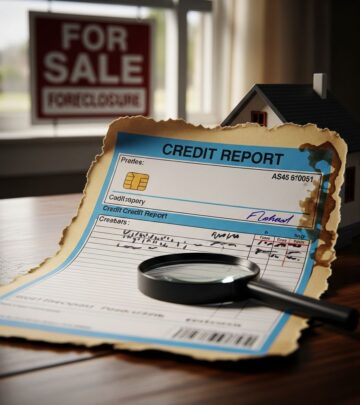
Credit scores derive from information contained in your credit reports maintained by Equifax, Experian, and TransUnion. Errors in these reports—such as late payments you never made, accounts you never opened, or duplicate negative items—can artificially depress your score and harm your application prospects.
Obtain copies of your credit reports and review them meticulously for inaccuracies. If you identify errors, file formal disputes with the credit bureaus, which are required by law to investigate within 30 days. Correcting legitimate errors can improve your score by 10-50 points depending on the nature of the mistake, potentially moving you above critical lending thresholds.
Timeline Considerations for Credit Recovery
The recency of negative credit events matters substantially in mortgage underwriting. Recent late payments, defaults, or collections accounts significantly damage your creditworthiness. However, as time passes without new negative marks, the impact of past problems diminishes.
If you have recently emerged from financial difficulty, waiting 6-12 months before applying for a mortgage can improve your position considerably. During this period, make every payment on time, reduce debt levels, and demonstrate reformed financial behavior. Lenders will view your application much more favorably if your recent history shows stability and responsibility, even if older negative marks remain on your record.
Comparative Analysis of Loan Programs
| Loan Program | Minimum Credit Score | Down Payment Required | Mortgage Insurance | Eligibility Requirements |
|---|---|---|---|---|
| FHA Loan | 500 (10% down) to 580 (3.5% down) | 3.5% – 10% | Yes, lifetime if < 10% down | Primary residence only |
| VA Loan | No official minimum (typically 620) | 0% | No | Military service required |
| USDA Loan | No official minimum (typically 640+) | 0% | Possible mortgage insurance | Rural property, income limits |
| Conventional Loan | 620 | 3% – 20% | Yes if < 20% down | Standard lending criteria |
Preparing Your Complete Application Package
Successfully obtaining mortgage approval with challenged credit requires presenting yourself as comprehensively and compellingly as possible. Rather than allowing a low credit score to dominate the narrative, construct an application package that tells a complete story of your financial reliability and homeownership readiness.
Gather documentation that demonstrates income stability, including recent pay stubs, tax returns for the past two years, and letters from employers confirming your position and tenure. If you receive income from multiple sources, document all of them meticulously. Prepare a written explanation addressing any significant negative events on your credit report—job loss, medical emergency, family crisis—that contributed to past payment difficulties.
Include documentation of your savings habits and financial reserves. Bank statements showing consistent deposits and growing balances demonstrate fiscal discipline. If you have received financial counseling or taken steps to improve your credit, include documentation of these efforts as evidence of your commitment to reform.
The Role of Co-Signers and Alternative Qualification Strategies
If your credit profile remains too weak for independent approval, enlisting a co-signer with stronger credit can enhance your application. A co-signer—typically a family member or close associate—promises to repay the loan if you default, effectively backing your promise with their own creditworthiness.
However, co-signing involves significant risk for the other party and strains relationships if financial difficulties emerge. Before pursuing this route, exhaust other options for credit improvement and ensure that you are genuinely ready for homeownership. A co-signer relationship should represent a stepping stone toward independent financial strength, not a permanent solution.
Beyond Approval: Managing Your Mortgage with Subprime Credit
Obtaining mortgage approval with poor credit typically means accepting less favorable terms than borrowers with excellent credit receive. Higher interest rates, larger down payments, and mandatory mortgage insurance all increase your long-term borrowing costs. However, this situation is not permanent.
Use homeownership as an opportunity to rebuild your credit. Making every mortgage payment on time demonstrates creditworthiness to future lenders and gradually improves your score. After several years of consistent, timely mortgage payments, you may become eligible to refinance into a lower interest rate, substantially reducing your long-term housing costs.
Key Takeaways for Bad Credit Borrowers
- Credit scores below 580 are considered poor, but mortgage financing remains possible through specialized programs
- FHA loans accept credit scores as low as 500, though a 10% down payment is required at this level
- VA and USDA loans have no official minimum credit score requirements and offer zero down payment options for eligible borrowers
- Debt-to-income ratios, employment history, and savings capacity significantly influence approval decisions beyond credit scores
- Reducing existing debt and correcting credit report errors can improve your position before applying
- Government-backed loan programs are specifically designed to accommodate borrowers with credit challenges
- Timely mortgage payments after approval can accelerate credit recovery and refinancing opportunities
Frequently Asked Questions
Can I truly purchase a home with a 500 credit score?
Yes, FHA loans allow credit scores as low as 500, though you must contribute a 10% down payment. Few lenders actively market to this segment, so you may need to contact FHA-approved lenders directly or work with mortgage brokers specializing in challenged credit.
How much more will I pay in interest with bad credit?
Interest rate premiums for poor credit borrowers typically range from 1% to 3% above rates offered to borrowers with excellent credit. On a $300,000 mortgage, a 2% rate premium adds approximately $200 to your monthly payment and costs tens of thousands of dollars over the loan’s life.
How long does it take to rebuild credit for better loan terms?
Credit scores can improve 20-100 points within 6-12 months of consistent, on-time payments and debt reduction. However, major negative marks like foreclosures or collections remain visible for 7-10 years, gradually diminishing in impact.
Should I wait to improve my credit before applying for a mortgage?
This depends on your timeline and financial situation. If you can improve your credit score 50-100 points within 6-12 months, waiting may result in substantially better loan terms. However, if homeownership is urgent and you meet minimum requirements now, obtaining financing and building equity through homeownership may outweigh the benefit of waiting.
What disqualifies me from FHA loan eligibility?
FHA loans cannot be used for investment properties, require primary residence occupancy, and have debt-to-income ratio limits. Recent bankruptcy (typically within 24 months) creates barriers, as does a history of mortgage default. However, these are not absolute prohibitions—individual lender policies vary.
References
- Can I Buy a House With Bad Credit? — Zillow. 2025. https://www.zillow.com/learn/can-i-buy-a-house-with-bad-credit/
- Can I Get a Home Loan with Bad Credit? — Marine Credit Union. 2025. https://www.marinecu.com/learning-hub/bad-credit-home-loans/
- How to Buy a House with Bad Credit — Herring Bank. 2025. https://www.herringbank.com/learn/how-to-buy-a-house-with-bad-credit/
- What Is The Lowest Credit Score To Buy A House? — Rocket Mortgage. 2025. https://www.rocketmortgage.com/learn/how-to-buy-house-with-bad-credit
- Single Family Housing Guaranteed Loan Program — U.S. Department of Agriculture. 2025. https://www.rd.usda.gov/programs-services/single-family-housing-programs/single-family-housing-guaranteed-loan-program
- Government-backed home loans and mortgage assistance — USA.gov. 2025. https://www.usa.gov/government-home-loans
Similar Articles








Read full bio of Sneha Tete