Mortgage Essentials 2026
Navigate 2026 mortgage options with expert insights on rates, types, and strategies for smart home financing decisions.
Securing a mortgage in 2026 requires understanding the diverse loan options available amid stabilizing rates and evolving borrower needs. This guide breaks down major mortgage categories, eligibility criteria, benefits, drawbacks, and strategic considerations to help you make informed decisions for purchasing or refinancing a home.
Understanding Fixed-Rate Mortgages: The Cornerstone of Stability
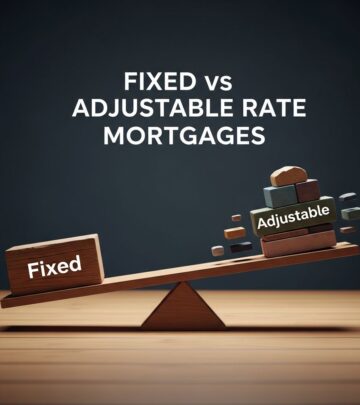
Fixed-rate mortgages remain the most popular choice for homebuyers in 2026, offering unchanging interest rates and predictable monthly payments throughout the loan term. Borrowers favor these loans for their reliability, especially in uncertain economic climates where rate fluctuations could otherwise increase costs.
Common terms include 15-year and 30-year options, with 20-year variants available from select lenders. A 30-year fixed-rate loan distributes payments over three decades, making monthly amounts more affordable and preserving budget flexibility for other expenses. In contrast, a 15-year loan accelerates payoff, slashing total interest paid while building equity faster, ideal for those prioritizing long-term savings.
- Key Advantages: Locked-in rates protect against future hikes; consistent budgeting simplifies financial planning.
- Potential Drawbacks: Higher starting rates compared to adjustable options; less benefit if market rates decline significantly.
For example, on a $400,000 loan, a 30-year fixed at around 6.37% yields principal and interest payments of approximately $2,493 monthly, providing a stable baseline for affordability assessments.
Adjustable-Rate Mortgages: Flexibility for Short-Term Strategies
Adjustable-rate mortgages (ARMs) feature an introductory fixed-rate period followed by periodic adjustments tied to market indexes, appealing to buyers seeking lower initial costs. Popular configurations like 5/1, 7/6, or 10/6 ARMs denote the fixed years before the first adjustment and subsequent frequency.
In 2026, ARMs often start 80 basis points below fixed rates, enabling savings such as $209 monthly on a sample $400,000 loan (5/1 ARM at 5.55% vs. fixed). This can total over $12,000 in five years, stretching buying power in competitive markets.
| ARM Type | Fixed Period | Adjustment Frequency | Best Use Case |
|---|---|---|---|
| 5/1 ARM | 5 years | Annually | Short-term ownership plans |
| 7/6 ARM | 7 years | Every 6 months | Mid-term relocations |
| 10/6 ARM | 10 years | Every 6 months | Longer-term with refinance intent |
- Situations Where ARMs Excel: Planned sales or refinances before adjustments; military relocations; expected income increases.
- Risks to Consider: Potential payment spikes if rates rise; lenders qualify based on projected higher payments.
ARMs suit borrowers with clear exit strategies, but fixed rates often provide better security given modest spreads in the current environment.
Conventional Loans: Tailored for Qualified Buyers
Conventional mortgages, not government-backed, dominate for borrowers with strong credit profiles, offering competitive rates and flexible terms. Conforming loans adhere to Fannie Mae and Freddie Mac guidelines, typically requiring minimum credit scores of 620 and down payments as low as 3% for first-time buyers.
Loans below conforming limits avoid extra fees, while those exceeding them become jumbo mortgages for high-value properties. Private mortgage insurance (PMI) applies for down payments under 20%, calculated via credit score, debt-to-income (DTI) ratio, and loan size; it cancels upon reaching 20% equity.
- Eligibility Boosters: Credit scores above 620, DTI under 43%, stable income documentation like paystubs and tax returns.
- Rate Factors: Superior credit and lower DTI secure better terms, emphasizing pre-approval preparation.
Government-Backed Options: Accessible Paths to Ownership
FHA Loans: Support for First-Time and Moderate-Income Buyers
Federal Housing Administration (FHA) loans cater to those with lower credit or limited savings, mandating just 3.5% down for scores 580+ (10% for 500-579). Available in 15/30-year fixed or ARM formats, they include specialized products like 203(k) for renovations and energy-efficient options.
Mortgage insurance premiums (MIP) are required, safeguarding lenders but adding to costs. Loan limits apply, potentially restricting luxury purchases.
VA Loans: Benefits for Military Personnel
Department of Veterans Affairs (VA) loans offer zero-down-payment financing for eligible active-duty members, veterans, National Guard, Reserves, and certain spouses, with no PMI. Credit flexibility exceeds conventional standards, supporting 15/30-year fixed or ARMs.
A certificate of eligibility initiates the process, followed by standard income verification. Property must meet VA standards, limiting some fixer-uppers.
USDA Loans: Rural Homeownership Opportunities
U.S. Department of Agriculture (USDA) loans target rural areas, providing 100% financing without down payments for moderate-income households. Income and location restrictions apply, promoting affordable housing in eligible zones.
| Loan Type | Min Down Payment | Min Credit Score | Insurance Required | Ideal Borrower |
|---|---|---|---|---|
| Conventional | 3-5% | 620 | PMI if <20% | Strong credit profiles |
| FHA | 3.5% | 500-580 | MIP | First-time buyers |
| VA | 0% | Flexible | None | Military/veterans |
| USDA | 0% | Flexible | Guarantee fee | Rural residents |
Jumbo and Specialty Loans: For Unique Needs
Jumbo loans finance properties exceeding conforming limits, prevalent in high-cost regions, demanding stronger credit, reserves, and often 10-20% down. Self-employed or investor programs address niche scenarios, requiring alternative income proof like profit/loss statements.
Key Factors Influencing Your Mortgage Choice in 2026
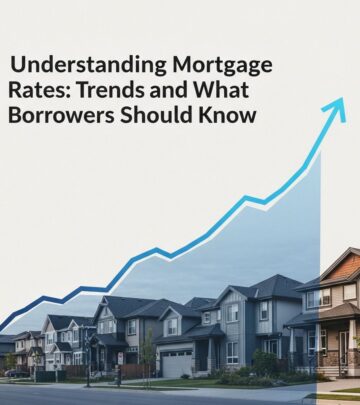
Beyond type, consider rates stabilizing around 6% for fixed loans, DTI ratios ideally below 36-43%, and total costs including taxes, insurance, and fees. Shop multiple lenders, improve credit pre-application, and align loan terms with timelines—fixed for permanence, ARMs for transitions.
Refinancing surges if rates drop, but weigh closing costs against savings. Energy-efficient or renovation loans add value for upgrades.
Frequently Asked Questions (FAQs)
What credit score do I need for a conventional mortgage?
Typically 620 or higher, though lenders may impose stricter thresholds.
Can I get a mortgage with no down payment?
Yes, via VA or USDA loans if eligible; FHA requires at least 3.5%.
Should I choose a 15-year or 30-year fixed mortgage?
15-year saves on interest but raises monthly payments; 30-year offers affordability.
Are ARMs a good idea in 2026?
If you plan to sell or refinance soon and accept adjustment risks, yes; otherwise, fixed provides security.
How does PMI work on conventional loans?
Required under 20% down, it cancels at 20% equity; costs vary by credit and loan factors.
Steps to Secure Your 2026 Mortgage
- Check credit and calculate DTI.
- Determine budget and pre-approve.
- Compare loan types and lenders.
- Gather documents: income proof, assets, ID.
- Lock rates and close efficiently.
By matching your financial profile to the right mortgage, 2026 buyers can optimize affordability and equity growth in a balanced market.
References
- 2026 Mortgage Types Breakdown: Fixed, ARM, Jumbo, FHA, VA & More — Trusted American. 2026. https://trustedamerican.com/2026-mortgage-types-breakdown-fixed-arm-jumbo-fha-va-more/
- 7 Mortgage Types for 2026: Complete Buyer’s Guide — Amerisave. 2026. https://www.amerisave.com/learn/mortgage-types-complete-buyer-s-guide
- The 4 Main Types of Mortgages in 2026: Conventional vs FHA vs VA vs USDA — HAR.com. 2026. https://www.har.com/blog_142483_the-4-main-types-of-mortgages-in-2026-conventional-vs-fha-vs-va-vs-usda
- Which Mortgage Is Right for You in 2026? Find Out Now — reAlpha. 2026. https://www.realpha.com/blog/types-of-mortgages
- Understand the different kinds of loans available — Consumer Financial Protection Bureau (.gov). 2026. https://www.consumerfinance.gov/owning-a-home/explore/understand-the-different-kinds-of-loans-available/
Similar Articles








Read full bio of Sneha Tete