Mortgage Conditional Approval: What It Means & Next Steps
Understanding conditional approval: Your guide to mortgage requirements and final approval.

What Does Conditional Approval in a Mortgage Application Mean?
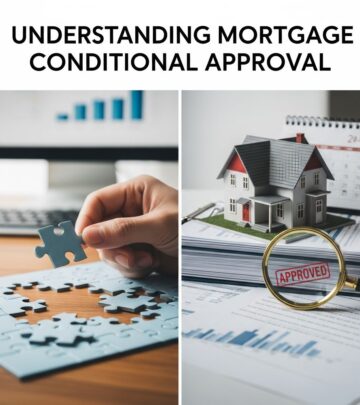
A conditional approval for a mortgage indicates that a lender intends to give you a loan, but requires some additional information before proceeding. This status represents a significant milestone in the home buying journey, showing that your application has passed initial scrutiny but still needs a few finishing touches before the lender commits to funding your loan.
When a mortgage is conditionally approved, it means the lender is likely to approve the loan, but some conditions still need to be met. You’ll be notified of this status in writing, typically through your loan officer or via email. Conditional approval is one step in mortgage underwriting, the process by which lenders verify the information provided in your application and issue a lending decision. This stage comes after prequalification or preapproval, but before the final approval and “clear to close” status.
Understanding the Mortgage Approval Timeline
The mortgage approval process consists of several distinct stages, each representing different levels of commitment from the lender. Understanding where conditional approval fits in this timeline helps you navigate the home buying process more effectively.
Preapproval vs. Conditional Approval
A mortgage preapproval is a formal letter that indicates a lender is likely to give you a mortgage based on a credit pull and documentation about your finances. The preapproval does not guarantee you’ll be approved, but it’s necessary to have when you make offers on homes. Conditional approval comes after this stage, indicating that the lender has moved deeper into their evaluation process and is now asking for specific additional documentation or clarifications.
From Conditional Approval to Clear to Close
Once the conditional approval stipulations have been satisfied, the lender will approve your loan for closing, known as “clear to close.” This is the last step ahead of closing day. The journey from conditional approval to closing usually takes one to two weeks, during which you’ll work closely with your loan officer to satisfy all outstanding conditions.
Common Conditions Lenders Require
A mortgage application that’s conditionally approved usually requires one or more of the following before the lender can move it forward. Understanding these common conditions helps you prepare and respond quickly to lender requests.
- Additional documents such as bank statements — Lenders want to verify your liquid assets and ensure you have sufficient reserves to cover the down payment and closing costs.
- A gift letter explaining the source of any gifted funds — If someone is giving you money for your down payment, the lender needs documentation showing the funds are a gift and not a loan that must be repaid.
- A letter of explanation — This addresses flags like a credit report error, inconsistent income, gaps in employment, or large unexplained withdrawals from bank accounts.
- Verification of employment — Lenders confirm that you’re currently employed and that your income is stable and likely to continue.
- Proof of homeowners insurance — You must have insurance for the property attached to the mortgage before closing.
- Results from an appraisal and a solution for any appraisal gaps — If the home appraises for less than the purchase price, the lender needs to know how you’ll handle the difference.
There might be other requirements as well, especially if you have a more complex credit or financial situation. Self-employed borrowers, for example, might need several years of tax returns and financial statements. Borrowers with significant assets might need appraisals of high-value items like art or jewelry. Those buying in flood-prone areas will need flood insurance verification.
Why Is Conditional Approval Important?
When a mortgage is conditionally approved, it’s a positive sign that your financing is on track to approval. This status carries several important implications for your home buying journey. First, it can be helpful when competing against other homebuyers making offers. Real estate agents and sellers often view conditional approval as a stronger signal of your ability to close than a simple preapproval. Second, if you’re buying a new-construction home, conditional approval helps meet builder requirements. Builders want assurance that you’re serious about purchasing and capable of obtaining financing. Third, this status can help expedite the closing, since it indicates the lender has already completed most of the diligence in underwriting.
Can Your Loan Be Denied After Conditional Approval?
A critical point for homebuyers to understand is that conditional approval is not a guarantee you’ll receive the mortgage. You could still be denied the loan if you can’t meet the lender’s requirements. For example, if you fail to provide required documentation by the deadline, your application could be rejected. Similarly, if your credit or financial circumstances change, denial remains possible.
Common reasons why loans may be denied after conditional approval include:
- Taking on new debt, such as obtaining a car loan or credit card
- Inability to verify financial documents with recent originals
- Missing lender deadlines for condition submission
- Discovery of a lien on the property
- Appraisal coming in significantly lower than the purchase price
- Home inspection revealing major unexpected issues
- Loss of employment or significant income reduction
- Unexplained large deposits or withdrawals from bank accounts
What Happens After You Receive Conditional Approval
After your mortgage is conditionally approved, you’ll move on to the final steps in the underwriting process. Understanding this sequence helps you stay organized and responsive to lender requests.
You’ll Address All Conditions
Your loan officer should communicate the conditions that need to be met, such as providing additional paperwork or clarifications. Make sure to respond to these requests in a timely manner. If you don’t, your closing could be delayed or the loan could be denied entirely. Create a checklist of all conditions and track when you submit each item to your lender. Keep copies of everything you send for your records.
Your Lender Will Return the Loan to Underwriting for a Final Check
Once the conditions have been met, the lender’s underwriting department will review what was submitted. They’re verifying that your documentation satisfies their requirements and that nothing has changed in your financial situation or credit profile since the conditional approval was issued. This process typically takes several business days.
Your Lender Will Clear the Loan to Close
If underwriting is satisfied, your lender will formally approve your loan. This means you’re ready for closing day. You’ll receive written confirmation of this “clear to close” status, and your closing attorney or title company will be notified that the lender is ready to fund the loan.
Conditions Based on Loan Type and Situation
Different types of loans and borrower situations may require different documentation. Understanding what your specific lender might request helps you prepare in advance.
Standard Conditions for All Borrowers
Regardless of loan type, most lenders require updated pay stubs or employment verification, recent bank statements showing assets and liquid funds, and appraisal results for the property being purchased. Proof of homeowners insurance is nearly universal, as lenders want to ensure the collateral is protected.
Self-Employment Documentation
Self-employed borrowers typically face more extensive documentation requirements. You may need to provide the last two or three years of tax returns, business financial statements, and a letter from your accountant verifying your income. Some lenders also request profit and loss statements and bank statements for your business accounts.
Government-Backed Loan Requirements
FHA, VA, and USDA loans often have specific condition requirements beyond those of conventional loans. These may include additional certifications, property condition requirements, or specific insurance documentation. Understanding these upfront helps you prepare for what your specific loan program requires.
Timeline: From Conditional Approval to Closing
The typical timeline from conditional approval to closing spans one to two weeks. Here’s what you should typically expect:
- Days 1-2: Receive conditional approval letter with list of required conditions
- Days 3-5: Gather and submit all requested documentation to your lender
- Days 6-8: Underwriting reviews submitted documents
- Days 9-10: Lender issues “clear to close” confirmation
- Days 11-14: Final walkthrough, signing closing documents, funding the loan
Frequently Asked Questions
Q: What’s the difference between conditional approval and preapproval?
Preapproval is an initial assessment based on your credit and basic financial information. Conditional approval comes later, after the lender has done deeper underwriting and verified more of your information. Conditional approval signals the lender is more confident you’ll receive the loan, but it still requires you to meet specific conditions.
Q: How long does conditional approval last?
Conditional approval typically remains valid for 30 to 45 days, though this varies by lender. You should treat it with urgency and respond to condition requests promptly. If your conditions aren’t satisfied within this timeframe, the approval may expire.
Q: Can I change jobs during conditional approval?
Changing jobs can be problematic during conditional approval, especially if you’re moving to a different industry or taking a significant pay cut. Some lenders may request new employment verification or income documentation. It’s best to maintain employment stability during this period.
Q: What if I can’t meet all the conditions?
Contact your lender immediately if you’re having difficulty meeting any condition. They may offer alternatives or extensions. However, if you genuinely cannot satisfy their requirements, your loan could be denied.
Q: Should I be worried about conditional approval?
No. Conditional approval is a normal and common part of the mortgage process. It should be seen as a positive indicator that your loan is progressing well. Most conditionally approved loans move forward to final approval without problems.
Q: What happens if the appraisal comes in low?
If the appraisal is lower than the purchase price, you have several options: renegotiate the purchase price, increase your down payment, or request the lender approve the loan despite the low appraisal (if you qualify). This is a common condition that lenders present during conditional approval.
Key Takeaways
Conditional approval represents a significant positive milestone in your mortgage journey. It means the lender has substantially verified your financial information and believes you’ll likely receive final approval once you meet specific conditions. The process typically takes one to two weeks from conditional approval to closing. Responding promptly to condition requests is essential—delays can push back your closing date or result in denial. Common conditions include providing updated bank statements, employment verification, proof of insurance, and appraisal results. While conditional approval is a strong indicator of eventual loan approval, it’s not a guarantee; your loan can still be denied if you fail to meet conditions, if significant changes occur in your finances or credit, or if property issues are discovered. By understanding what conditional approval means and preparing to respond quickly to lender requests, you can move smoothly through this stage toward closing day.
References
- What is conditional approval in a mortgage application? — Bankrate. 2025. https://www.bankrate.com/mortgages/conditional-approval/
- A guide to conditional approvals for home buyers — Rocket Mortgage. https://www.rocketmortgage.com/learn/conditional-approval
- Ultimate Guide to Conditional Approval on Mortgages — Go Mortgage. https://gomortgage.com/conditional-approval/
- What Is Conditional Approval Mortgage? — SmartAsset. https://smartasset.com/mortgage/conditional-approval-mortgage
- 6-Step Guide to Navigating the Mortgage Approval Process — Navy Federal. https://www.navyfederal.org/makingcents/home-ownership/mortgage-approval-process.html
Similar Articles








Read full bio of Sneha Tete