What Is Mortgage Collateral? Definition and How It Works
Understand mortgage collateral, how it secures your home loan, and what happens if you default.

What Is Mortgage Collateral?
Mortgage collateral is an asset that a borrower offers to a lender as a guarantee for a loan or debt. In the context of mortgages — or deeds of trust, which are exclusively used in some states — the collateral is almost always the property you’re buying with the loan. When you borrow money to purchase a home, that home becomes the security backing your debt. This arrangement makes the loan less risky for the lender because they have a tangible asset they can claim if you fail to repay the loan.
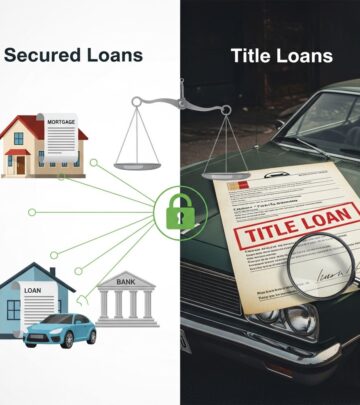
Think of collateral as a demonstration of how serious you are about paying back your mortgage debt. The lender essentially has a legal claim to your home if you don’t meet your payment obligations. A loan that uses collateral is called a secured loan. In contrast, unsecured loans don’t require collateral, meaning that no asset is backing them. Mortgages are almost always secured loans because they require the property itself to serve as collateral.
Key Takeaways About Mortgage Collateral
- Collateral is something that backs — or secures — a loan, making it less risky for a lender
- With mortgages, the collateral is usually the home that the borrower used the mortgage to buy
- If you can’t repay the mortgage, the lender will seize your collateral by foreclosing on your home
- You almost always need collateral to get a mortgage, and that collateral is almost always the property you’re buying with the loan
- Lenders order home appraisals before approving mortgages to ensure the property is worth what you propose to pay for it
How Does Mortgage Collateral Work?
The process of mortgage collateral begins before your lender even approves your mortgage application. Your lender will order an appraisal of the home to ensure that it’s worth what you propose to pay for it. This appraisal is crucial because it protects the lender’s investment. If the home appraises for less than the purchase price, the lender can deny the mortgage because the collateral won’t fully guarantee the loan. In other words, if the property is worth less than the loan amount, the lender would face a significant loss if they had to foreclose and sell the property.
Once your mortgage is approved and funded, your lender holds a lien against the property. A lien is a legal claim that gives the lender the right to take possession of the home if you fail to meet your payment obligations. This lien remains in place until you pay off the mortgage completely. The day all the loan is paid off by the borrower is the day the home will no longer be collateral, and the lender won’t have any rights to the asset.
If you miss a certain number of loan payments — typically three to six consecutive months of payments — you’ll be considered in default on the loan. At this point, the lender can foreclose and take back the collateral. Foreclosure is a legal process in which the lender takes back the property and typically sells it to recover the money you owe on the mortgage.
Examples of Collateral in the Mortgage Process
Buying a Home
When you buy a home with a mortgage, the home serves as collateral for the loan. This is the most common and straightforward example of mortgage collateral. Your lender records a mortgage or deed of trust against the property title, giving them a legal claim to the home if you default. As you make monthly payments and pay down your principal, you build equity in the home. Even though the lender holds a lien on the property, you maintain ownership and can live in the home, make improvements, and potentially refinance or sell it.
Securities or Portfolio Line of Credit
While not a traditional mortgage, some borrowers use investments in a brokerage account as collateral for a revolving credit line with a variable interest rate. You repay at your own schedule. Because you’re borrowing against the value of your account, if the worth of your holdings drops, you often have to come up with cash to cover some of your debt, or the broker has the right to sell your securities. This type of arrangement is riskier than using real estate as collateral because investment values can fluctuate significantly.
Alternative Collateral Options for Home Loans
While the home you’re purchasing is the standard collateral for a mortgage, some borrowers may need to provide additional collateral or use alternative assets to secure financing. Understanding these options can be helpful if you face challenges in the mortgage approval process.
Real Estate as Collateral
Beyond the home you’re purchasing, you can use real estate to secure a loan in several different ways. One option is to use the equity in your existing home as collateral. If you have owned your home for some time, or the market has allowed you to build equity, this can be a good option for collateral. You can also use a house you own outright as collateral on a second home or investment property. Or you can use an investment property as collateral for a primary residence.
Banks will look at real estate collateral favorably as property generally holds its value and would allow them to make back losses more readily. However, using your home as collateral means that defaulting could result in foreclosure. At the same time, it is one of the most easily available forms of collateral and offers high value. Real estate collateral is attractive to lenders because it’s a tangible asset that typically appreciates over time and has a stable market value.
Stocks and Bonds
If you use stocks or bonds to secure a home loan, a bank has the right to sell off your assets when they see it begin to devalue. Many banks will allow you to make up the difference with cash before they sell, but they are under no obligation to inform you when they are selling off the collateral. For this reason, stocks and bonds become a risky option for securing a loan. The volatility of the stock market means your collateral value could drop significantly, forcing you to either pay the difference or lose your investments entirely.
Other Asset Types
Additional collateral options for home loans can include vehicles, life insurance policies, cash deposits, and valuable collectibles. Each of these assets has different characteristics and considerations. Vehicles depreciate quickly, making them less desirable collateral. Life insurance policies can be valuable but are more complex to evaluate. Cash deposits are straightforward but tie up liquid assets you might need for other purposes.
Advantages of Using Collateral for a Home Loan
Providing collateral for a home loan can offer several benefits to borrowers. Collateral can help many buyers during the loan process by bridging a gap in financing and requiring less upfront money. You can also benefit from lower interest rates when you put up collateral. Although the borrower risks forfeiting property or business assets to the lender, putting up collateral can lead to higher borrowing limits and lower interest rates. This is because the lender’s risk is reduced when they have a tangible asset backing the loan.
Solid, high-value collateral can be particularly helpful for borrowers with less-than-perfect credit or those who don’t have a large down payment saved. By offering collateral, you demonstrate to the lender that you’re serious about repaying the loan and that you have assets to protect.
Risks of Using Collateral for a Home Loan
While collateral can help you secure a mortgage, it also comes with significant risks. The primary risk is that you could lose the asset if you’re unable to make your mortgage payments. If you default on your mortgage, the lender can foreclose on your home, forcing you to sell or lose the property entirely. Beyond the immediate loss of the asset, foreclosure can have long-lasting effects on your credit score, making it difficult to borrow money in the future.
If you use alternative forms of collateral such as stocks, bonds, or other investments, you risk losing those assets without notice if they decline in value. This can be particularly devastating during market downturns when you need your investments the most.
When It Makes Sense to Use Assets as Collateral for a Home Loan
Taking out a home loan is a big decision that takes time and consideration to find the right one for your needs. Using assets as collateral makes sense in several situations. First, if you have solid, high-value collateral that you own outright, it can be a boon to your home loan process when considered with caution. Your assets also come in handy when you have less on hand to liquidate for the loan.
Consider using collateral if you need to bridge a gap in financing, if you’re struggling to qualify for a mortgage due to credit issues, or if you want to access lower interest rates. However, only use collateral if you’re confident in your ability to repay the loan and can afford the monthly payments without financial hardship.
Secured Loans vs. Unsecured Loans
| Feature | Secured Loan | Unsecured Loan |
|---|---|---|
| Collateral Required | Yes | No |
| Interest Rates | Lower average interest rates | Higher rates; currently above 12 percent on average |
| Loan Amounts | Up to a percentage of the collateral value | Up to $100,000 in some cases |
| Credit Requirements | Lower credit score requirements | Good to excellent credit required |
| Spending Restrictions | May require specific spending purpose | Few restrictions; flexible use |
Frequently Asked Questions
Q: What happens to my collateral after I pay off my mortgage?
A: Once you pay off your mortgage in full, the lender releases their lien on the property. The collateral is no longer pledged to the lender, and you have full ownership of the home without any lender claims.
Q: Can a lender deny my mortgage if the home appraises for less than the purchase price?
A: Yes, if the home appraises for less than the purchase price, the lender can deny the mortgage because the collateral won’t fully guarantee the loan. They may also require you to make a larger down payment to cover the difference.
Q: What is the difference between a mortgage and a deed of trust?
A: Both mortgages and deeds of trust use your home as collateral. The main difference is the foreclosure process. Mortgages typically require judicial foreclosure (going through the courts), while deeds of trust often allow non-judicial foreclosure (out of court). Deeds of trust are used in some states exclusively.
Q: What types of assets can be used as collateral for a home loan?
A: Common collateral types include the home being purchased, real estate you already own, stocks and bonds, vehicles, life insurance policies, cash deposits, and valuable collectibles. Each type has different characteristics and risk levels.
Q: How many missed payments does it take for a lender to foreclose?
A: Typically, you’ll be considered in default after three to six consecutive months of missed payments. However, this can vary depending on your loan terms and state laws. The foreclosure process can take several months to complete.
Q: Can I use my home equity as collateral for another loan?
A: Yes, you can use your home equity as collateral for a home equity loan or home equity line of credit (HELOC). This allows you to borrow against the equity you’ve built in your home. However, this puts your home at additional risk if you default on the new loan.
Q: Does using collateral affect my credit score?
A: Using collateral itself doesn’t directly affect your credit score. However, if you default on the secured loan, foreclosure or repossession will significantly damage your credit score and remain on your credit report for years.
Q: What is the bottom line on using assets as collateral for a home loan?
A: Using assets as collateral can help bridge financing gaps, lower your interest rate, and improve your loan approval chances. However, you risk losing those assets if you can’t make payments. Only use collateral if you’re confident you can repay the loan and are in a solid financial position.
References
- What Is Mortgage Collateral? — Bankrate. 2025. https://www.bankrate.com/mortgages/collateral-for-mortgage/
- What Are Secured Loans And How Do They Work? — Bankrate. 2025. https://www.bankrate.com/loans/personal-loans/what-is-a-secured-loan/
- Secured vs. Unsecured Personal Loans: Key Differences — Bankrate. 2025. https://www.bankrate.com/loans/personal-loans/secured-vs-unsecured-personal-loans/
- What Is A Mortgage? Your Definitive Home Loans Guide — Bankrate. 2025. https://www.bankrate.com/mortgages/what-is-mortgage/
- Most Common Assets Used as Collateral for a Home Loan — US Lending Company. 2025. https://www.uslendingcompany.com/blog/what-are-the-most-common-assets-used-as-collateral-for-a-home-loan/
- Recourse Loans: What To Know Before You Borrow — Bankrate. 2025. https://www.bankrate.com/loans/personal-loans/recourse-loan/
Similar Articles








Read full bio of medha deb