Mortgage Closing Costs: What Are They and How Much Will You Pay?
Understand mortgage closing costs: Learn what fees to expect, how much you'll pay, and strategies to reduce them.
Understanding Mortgage Closing Costs
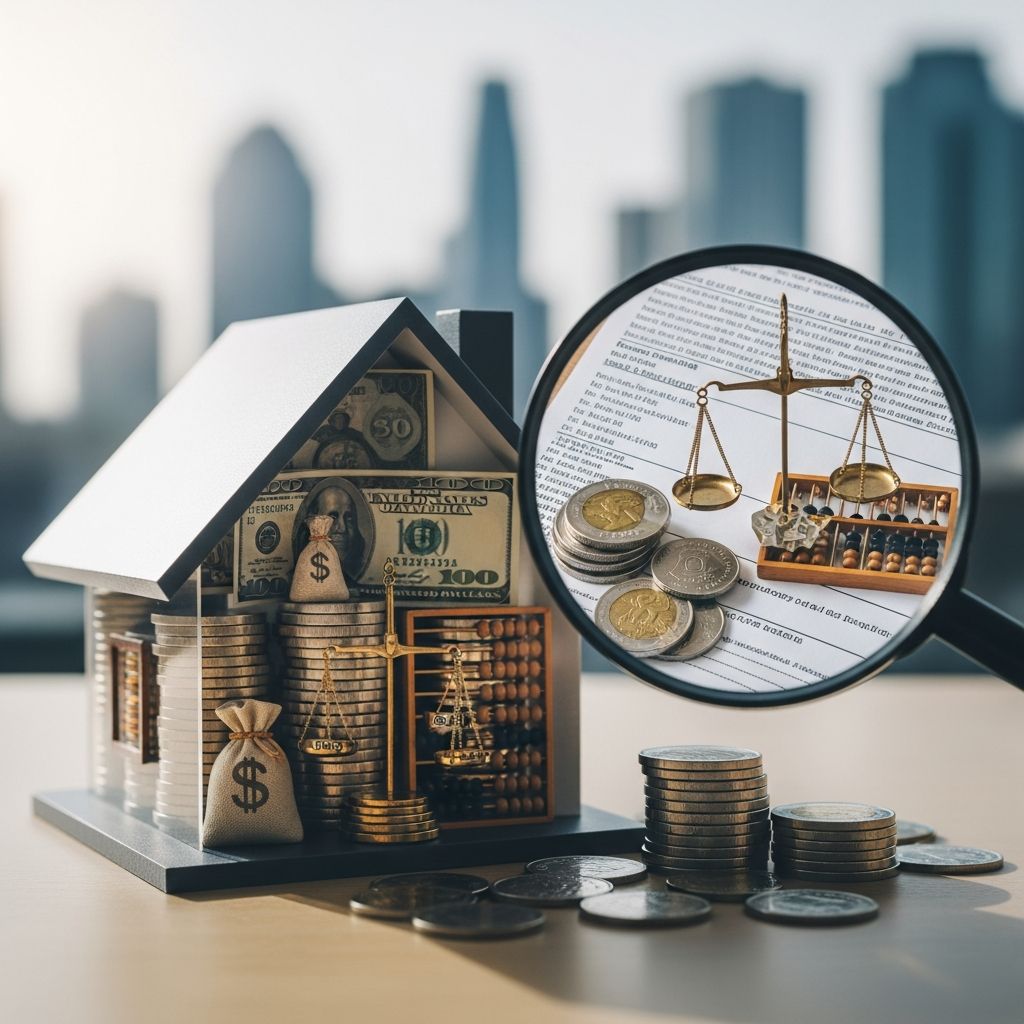
When you purchase a home or refinance your mortgage, closing costs represent a significant expense that many first-time homebuyers don’t anticipate. These costs encompass the various fees associated with obtaining a mortgage and finalizing the real estate transaction. Understanding what these costs entail, how they’re calculated, and strategies to minimize them is essential for anyone considering homeownership or refinancing their existing mortgage.
Closing costs include expenses related to applying for your loan and completing the real estate sale. Some fees are associated with the property itself, while others relate to the mortgage lender’s services and the extensive paperwork involved in the transaction. Most homebuyers pay these costs all at once on closing day, though certain loan types allow you to roll closing costs into your mortgage, reducing your upfront expenses but increasing your interest payments over time.
What Are Closing Costs?
Closing costs represent the thousands of dollars in fees and expenses you must pay before becoming a homeowner or completing a refinance. These costs serve various purposes in the home buying and lending process. They cover services provided by lenders, third-party professionals, and government agencies involved in verifying the property’s value, title search and insurance, appraisals, and loan processing.
The term “closing costs” refers specifically to the fees paid at closing, which is the final step in your home purchase or refinance transaction. On closing day, you’ll typically receive a Closing Disclosure form that itemizes all fees and costs associated with your loan. This document provides transparency and allows you to verify that all agreed-upon terms and costs are accurately reflected before you sign the final paperwork.
How Much Are Closing Costs?
Closing costs typically range from 2% to 5% of your total loan amount, though the exact percentage varies based on several factors including your location, the type of loan, and the lender you choose. For example, on a $350,000 loan, you could expect closing costs somewhere between $7,000 and $17,500.
According to 2025 data from Lodestar, a leading closing cost data provider, the average closing costs for a borrower purchasing a single-family home in the United States total approximately $4,661. This figure does not include real estate agent commissions, which are separate expenses typically paid by the seller. For those refinancing their mortgages, the average closing costs are significantly lower at $2,403, primarily because refinance transactions don’t include certain homebuying costs such as prepaid homeowners insurance or settlement attorney fees.
Regional Variations in Closing Costs
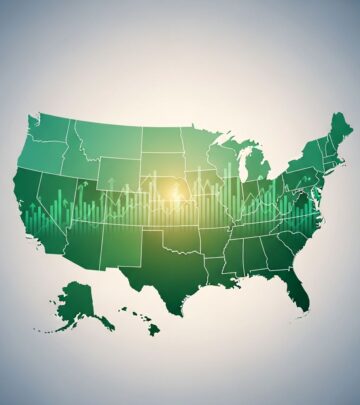
Closing costs vary dramatically across the country, influenced by state laws, local taxes, professional service fees, and property-specific factors. Understanding regional differences can help you anticipate expenses more accurately.
The highest average closing costs occur in certain metropolitan areas and states. Washington, D.C. leads the nation with average closing costs of $17,545 for purchase loans. New York follows with average closing costs exceeding $13,000, while Delaware ranks third with average closing costs surpassing $12,000. These higher costs reflect the region’s expensive real estate markets, state-specific closing requirements, and higher professional service fees.
Conversely, several states offer significantly lower closing costs. Missouri has the lowest average closing costs at $1,740, followed closely by Iowa at $1,640 and South Dakota at $1,551. These lower costs reflect lower-priced real estate markets, fewer state-mandated closing requirements, and more competitive service pricing in these regions.
Breakdown of Common Closing Cost Fees
Understanding the individual components of closing costs helps you identify where your money goes and potentially negotiate certain fees. Here are the primary closing cost expenses:
Loan Origination Fee
Many lenders charge a loan origination fee, which typically represents 0.5% to 1% of the amount you’re borrowing. This fee compensates the lender for processing your application, verifying your financial information, and preparing loan documents. The origination fee often includes other costs such as application fees and underwriting fees, all bundled into this single percentage-based charge.
Discount Points
By purchasing discount points, also called mortgage points, you can reduce your mortgage interest rate. You’ll typically pay approximately 1% of the loan principal to achieve a 0.25% rate reduction. This is an optional cost that borrowers choose to pay if they plan to stay in the home long enough to benefit from the lower monthly payments resulting from the reduced interest rate.
Appraisal Fees
Lenders require a professional appraisal to determine the property’s fair market value. This appraisal protects the lender by ensuring the home is worth the amount being financed. Appraisal fees vary based on property size, location, and complexity, but typically range from $300 to $700.
Title Insurance and Title Search
Title insurance protects you and the lender against claims that someone else owns the property or has a claim against it. A title search is conducted to verify that the seller actually owns the property and has the right to sell it. These costs combined typically range from $500 to $1,500 depending on the property’s purchase price and location.
Homeowners Insurance
Lenders require homeowners insurance before closing. Your closing costs typically include prepaid homeowners insurance premiums, often covering the first year of coverage. This requirement protects the lender’s investment in the property.
Property Taxes and HOA Fees
At closing, you’ll typically pay property taxes prorated for the year you’re taking ownership. If the property is in a homeowners association, you may also pay prepaid HOA fees. These costs vary significantly based on location and property type.
Attorney Fees
In some states, attorneys are required to review closing documents. In others, their involvement is optional but recommended. Attorney fees for closing typically range from $500 to $1,500.
Closing Costs for Different Loan Types
Different types of mortgages involve varying closing cost structures. Understanding these differences helps you compare loan options effectively.
Conventional Loans
Conventional mortgages typically involve the standard closing costs listed above, with the 2% to 5% range applying directly to your loan amount. These loans often have competitive closing costs as lenders compete for conventional mortgage business.
FHA Loans
FHA loans may involve additional costs such as mortgage insurance premiums, both upfront and ongoing annually. These additional costs can increase your total closing expenses beyond the standard 2% to 5% range.
VA Loans
VA loans often feature lower closing costs and may include a VA funding fee. Veterans typically benefit from reduced or waived certain closing costs due to VA loan benefits.
USDA Loans
USDA-backed loans in rural areas may involve specific closing costs related to the USDA guarantee and property eligibility verification.
No-Closing-Cost Mortgages: An Alternative Option
Some lenders offer no-closing-cost mortgages, which sound attractive but come with important trade-offs. With a no-closing-cost loan, you don’t pay closing costs upfront, but you will pay them in one of two ways: by financing them into your mortgage balance or by accepting a higher interest rate.
If you finance closing costs into your mortgage, your loan principal increases. For example, if you need to borrow $250,000 and your closing costs total $8,000, your actual mortgage principal becomes $258,000, meaning you’ll pay interest on that additional $8,000 over the life of your loan.
Alternatively, lenders may waive closing costs in exchange for a higher interest rate. While this means less money due at closing, the higher rate results in increased monthly payments and significantly more interest paid over the loan’s lifetime.
No-closing-cost mortgages make sense for buyers who lack sufficient funds for upfront closing costs or those planning to sell or refinance within a few years. However, for buyers planning long-term homeownership, paying closing costs upfront is typically less expensive overall.
Reducing Your Closing Costs
While closing costs aren’t entirely negotiable, several strategies can help minimize your expenses:
Compare Multiple Lenders
Your lender is required to provide a loan estimate within three days of your mortgage application. This itemized form shows all costs, allowing you to compare estimates from different lenders. Shopping around can save hundreds or thousands of dollars in closing costs.
Negotiate with Your Lender
Many fees are negotiable. Ask your lender if they can reduce origination fees, waive application fees, or lower underwriting costs. Lenders may compete for your business by reducing certain fees.
Request Seller Concessions
In buyer-friendly markets, you can negotiate for the seller to contribute toward your closing costs. Seller concessions can significantly reduce your out-of-pocket expenses at closing.
Who Pays Closing Costs?
Both buyers and sellers typically pay closing costs, though the breakdown differs. Buyers usually pay their closing costs out-of-pocket at closing, while sellers typically pay their closing costs from the sale proceeds. The specific division of costs can be negotiated between buyer and seller.
Explore Assistance Programs
Many states and local governments offer down payment and closing cost assistance programs for first-time homebuyers who meet income requirements. These programs can cover a portion or all of your closing costs.
Time Your Closing Strategically
The timing of your closing within the month affects prepaid interest charges. Closing early in the month may result in lower prepaid interest, as you’ll have fewer days of interest accruing before your first mortgage payment. To calculate daily interest charges, multiply your loan amount by your interest rate, divide by 360, then multiply by the number of days from funding through the end of the month plus the first day of the following month.
Refinance Closing Costs
When refinancing your mortgage, closing costs are typically lower than those associated with purchasing a home. According to 2025 data, average refinance closing costs total approximately $2,403. Refinance costs are lower because you’re not paying for homebuying-specific costs like prepaid homeowners insurance or settlement attorney fees. Additionally, you’re often refinancing a lower remaining balance on your original mortgage rather than a new, larger purchase price.
Frequently Asked Questions About Closing Costs
Q: What exactly is included in closing costs?
A: Closing costs include loan origination fees, discount points, appraisal fees, title insurance, title search, homeowners insurance, property taxes, HOA fees, attorney fees, and various other lender and third-party service charges associated with your mortgage and property purchase.
Q: Can I roll closing costs into my mortgage?
A: Yes, certain loan types allow you to roll closing costs into your mortgage balance, but this increases your principal and the total interest you’ll pay over the life of the loan. Alternatively, you can accept a higher interest rate instead of paying closing costs upfront.
Q: Are closing costs the same everywhere?
A: No, closing costs vary significantly by location. State laws, local taxes, and service fees influence costs. Washington, D.C. averages $17,545 while South Dakota averages only $1,551 for the same type of transaction.
Q: Can I negotiate closing costs?
A: Many closing costs are negotiable. You can shop around among lenders, negotiate specific fees, request seller concessions, and explore assistance programs to reduce your total closing costs.
Q: Should I buy discount points to reduce my interest rate?
A: Whether to purchase discount points depends on how long you plan to stay in the home. If you plan long-term homeownership, points often provide value through lower monthly payments. For short-term ownership, the upfront cost may not be recouped before you sell.
Conclusion
Mortgage closing costs represent a significant but necessary expense in the home buying and refinancing process. By understanding what these costs include, how they’re calculated, regional variations, and strategies to minimize them, you can better prepare financially and make informed decisions about your mortgage. Whether paying closing costs upfront, rolling them into your loan, or accepting a slightly higher interest rate, understanding your options empowers you to choose the path that best aligns with your financial situation and long-term homeownership plans.
References
- Mortgage Closing Costs: What Are They, and How Much Will You Pay? — Bankrate. 2025. https://www.bankrate.com/mortgages/what-are-closing-costs/
- What Is A No-Closing-Cost Mortgage? — Bankrate. 2025. https://www.bankrate.com/mortgages/no-closing-cost-mortgage-loan/
- No-Closing-Cost Refinance: Is It Right For You? — Bankrate. 2025. https://www.bankrate.com/mortgages/is-no-closing-cost-for-you/
- Closing Costs When Selling A House — Bankrate. 2025. https://www.bankrate.com/real-estate/closing-costs-for-sellers/
- How To Reduce Closing Costs: 6 Negotiation Strategies — Bankrate. 2025. https://www.bankrate.com/real-estate/how-to-negotiate-closing-costs/
- Who Pays Closing Costs — Buyers or Sellers? — Bankrate. 2025. https://www.bankrate.com/real-estate/who-pays-closing-costs/
Similar Articles








Read full bio of Sneha Tete