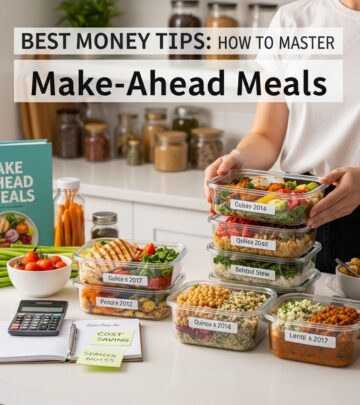
Monthly Meal Planner: Save Money And Eat Better
Use a simple monthly meal planner to cut food waste, save money, and make daily dinnertime decisions much less stressful.
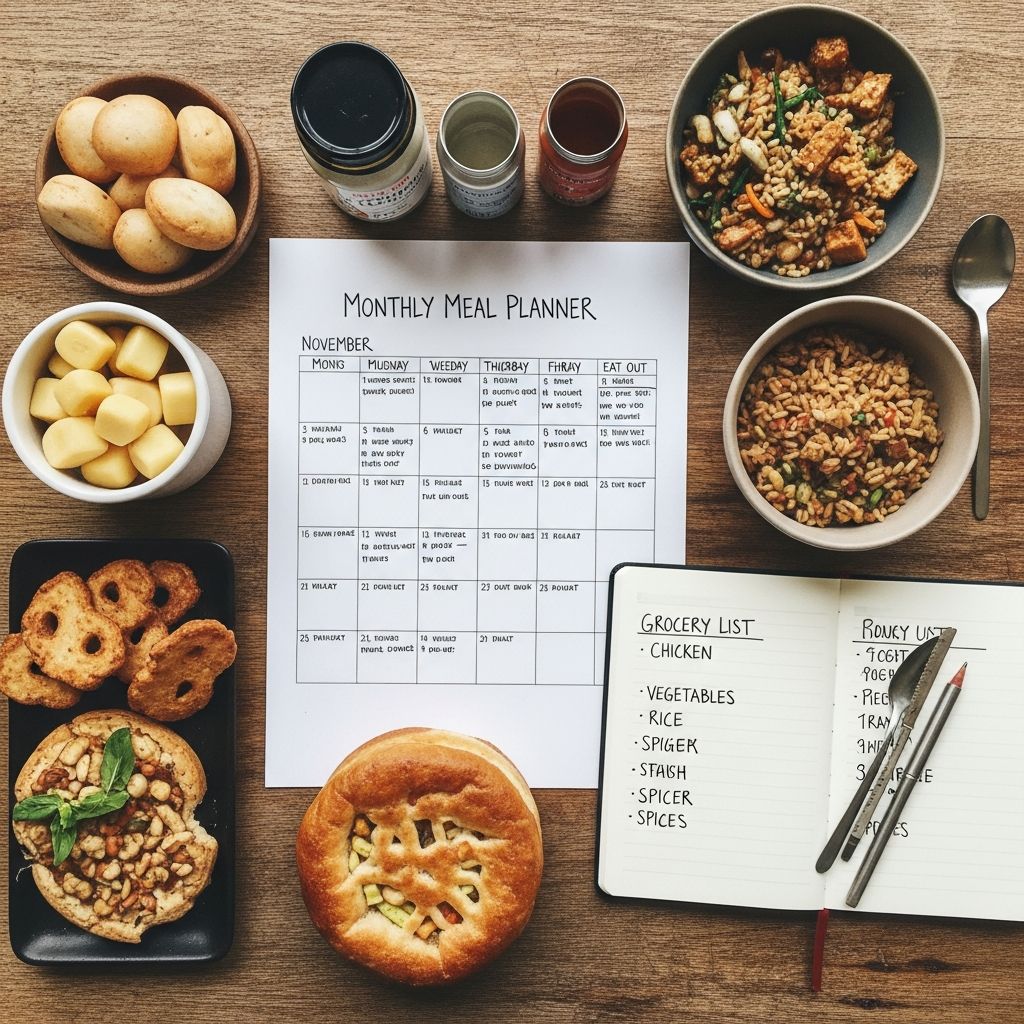
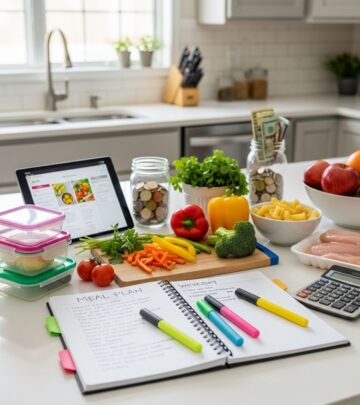
A monthly meal planner is one of the most effective ways to take control of your food spending, reduce waste, and make mealtimes less stressful. Planning in advance helps you shop with intention, stick to a realistic grocery budget, and avoid last-minute takeout that can quickly derail your financial goals.
This guide walks you through how a monthly meal planner works, the benefits, and step-by-step strategies to create a system that matches your lifestyle and budget.
Why Use A Monthly Meal Planner?
Food is one of the most flexible and commonly overspent categories in a household budget. In the United States, food is typically the third-largest spending category after housing and transportation, which means small improvements can free up meaningful cash for savings and debt payoff.
A monthly meal planner helps you:
- Spend with intention instead of reacting to hunger, cravings, or advertising.
- Lower your grocery bill by buying only what you need and using it fully.
- Reduce food waste by planning how to use fresh items before they spoil.
- Save time and mental energy because you decide what to eat once, not every single day.
- Eat healthier by organizing balanced meals instead of defaulting to convenience foods.
When your meals are planned in advance, your budget and your daily routine both become easier to manage.
How A Monthly Meal Planner Helps Your Budget
Meal planning has a direct impact on your grocery spending and overall financial picture. It aligns with a basic budgeting principle: decide your plan for money before you spend it.
Here are the main budget benefits of using a monthly meal planner:
- Fewer unplanned purchases: A written plan and a specific grocery list help you resist impulse buys in stores or apps.
- Better use of sales and discounts: You can build meals around what is on sale or in season, maximizing value from promotions and store brands.
- Less eating out: Knowing what you will eat each night reduces last-minute restaurant or delivery spending, which is typically much higher per meal than eating at home.
- Predictable monthly food cost: Repeating a similar planning system each month makes your spending more stable and easier to forecast.
For many households, simply cooking at home more often and shopping with a plan can significantly cut food costs without feeling deprived.
Monthly Meal Planner vs. Weekly Meal Plan
Both approaches can work, but a monthly planner gives you a bigger-picture view of your food, schedule, and money.
| Feature | Weekly Meal Plan | Monthly Meal Planner |
|---|---|---|
| Planning horizon | 7 days at a time | 4–5 weeks at a time |
| Budget view | Short-term spending focus | Clearer view of the full month’s food costs |
| Use of bulk buys | Harder to maximize across weeks | Easier to plan repeated meals around bulk items |
| Time investment | Lower upfront, repeated weekly | More upfront, minimal tweaks each week |
| Flexibility | High, small window | High if you treat it as a framework, not a rigid rule |
You can blend both: create a broad monthly plan, then refine each week based on what you still have at home, updated sales, and your schedule.
Key Elements Of An Effective Monthly Meal Planner
A good planner is simple, repeatable, and tailored to how you actually live. Focus on these core elements:
- Meal categories: For example, budget-friendly breakfasts, quick weeknight dinners, and bulk prep lunches.
- Theme nights: Taco Tuesday, Pasta Friday, or Soup Sunday to make planning easier and more fun.
- Realistic portions: Plan enough for leftovers if you like them, but not so much that food is routinely thrown away.
- Built-in flexibility: Include at least one “catch-all” or leftovers night each week.
- Aligned with your calendar: Plan simple meals on your busiest days and more involved recipes on slower days.
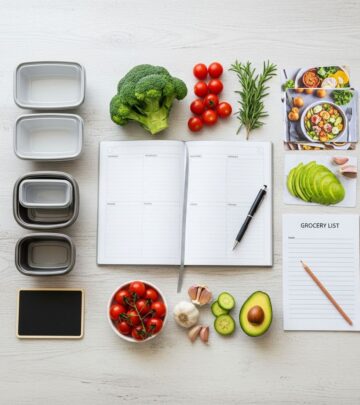
You can use a printed template, a notebook, a spreadsheet, or a digital calendar. The best format is the one you will actually use consistently.
Step-By-Step: How To Build Your Monthly Meal Plan
Use this step-by-step process to create a monthly meal planner that supports your financial goals and daily life.
1. Review Your Schedule And Budget
Start by looking at your month:
- Mark busy nights, travel days, and events where you will not cook.
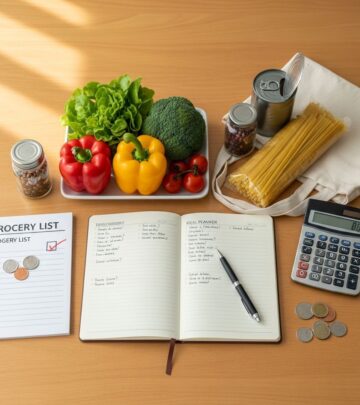
- Set a realistic food budget based on your income and priorities.
- Decide how often you want to shop (for example, one big trip plus 1–2 small fresh produce trips).
Your planner should match your actual life, not an idealized version of it. If you know some weeks will be hectic, plan very simple meals or intentionally use leftovers on those days.
2. Take Inventory Of What You Already Have
Before choosing recipes, check your pantry, fridge, and freezer. Making use of what you already own protects your budget and cuts waste.
- List proteins, grains, canned goods, and frozen items.
- Note fresh items that need to be used soon.
- Highlight higher-cost ingredients you want to build meals around.
“Shopping at home” first ensures your meal plan stretches your existing food as far as possible.
3. Choose Your Go-To Budget Meals
Next, create a short list of reliable, budget-friendly meals your household likes. These should be simple, repeatable, and based on relatively inexpensive ingredients.
Examples include:
- Oatmeal or eggs with toast and fruit for breakfast.
- Beans and rice bowls with vegetables.
- Pasta with basic tomato sauce and frozen vegetables.
- Sheet pan chicken and vegetables.
- Soup or chili that can be cooked once and eaten multiple times.
Use these “anchor” meals throughout the month, then sprinkle in a few new recipes if you enjoy variety.
4. Map Out Your Monthly Calendar
Now place meals on the calendar. You do not need to assign every single breakfast, lunch, and dinner individually; you can plan in patterns.
- Assign themes to nights (e.g., Meatless Monday, Stir-Fry Wednesday, Leftovers Thursday).
- Repeat certain meals weekly to simplify planning and shopping.
- Include at least one flexible or “emergency” meal each week (for example, frozen soup or pantry pasta).
The goal is to have a clear enough plan to guide your shopping and daily choices, not to schedule every bite perfectly.
5. Create Your Grocery Lists From The Plan
Once you have your meals outlined, build your grocery lists. Using a list is one of the most reliable ways to reduce overspending on food.
- Start with items you need for week one, then plan future lists for later weeks.
- Organize your list by category (produce, dairy, pantry, frozen) to shop faster and more efficiently.
- Compare unit prices and consider store brands to stretch your budget further.
When possible, choose recipes that share ingredients so that buying in bulk is worthwhile and nothing goes to waste.
6. Prep Strategically To Save Time
Meal planning is easier to stick with when some of the work is batched in advance. Research on time use shows that having routines and habits around food preparation can meaningfully lower stress and perceived time pressure.
Consider:
- Chopping vegetables once for several days.
- Cooking a large batch of rice, beans, or grains to use in multiple meals.
- Pre-cooking proteins like chicken or ground turkey that can be repurposed.
- Freezing extra portions for future quick dinners.
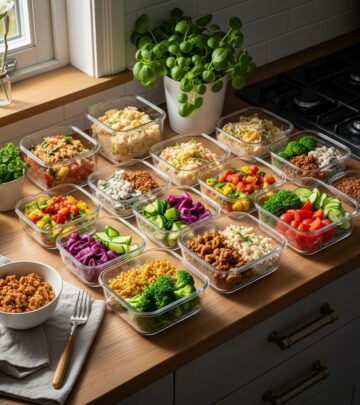
Even 1–2 hours of prep at the start of the week can make your monthly plan feel much more manageable.
Tips For Keeping Your Monthly Meal Plan Flexible
A monthly planner should guide you, not restrict you. Building flexibility into the system helps you stick with it over time.
- Swap days as needed: You can exchange Tuesday’s and Thursday’s dinners if your schedule changes.
- Maintain a backup list: Keep a short list of quick, low-effort meals you can make from pantry staples.
- Allow for eating out: If you enjoy restaurant meals, intentionally budget and plan for them instead of treating them as exceptions.
- Adjust mid-month: Review what is left in your pantry and fridge halfway through the month and update your plan.
The more you allow for real-life changes, the more sustainable your meal-planning habit becomes.
Simple Monthly Meal Planner Example
Here is a sample structure for one week within a monthly plan, focusing on budget-friendly dinners. You could rotate two or three similar weeks across the month and adjust based on sales and what you already have.
| Day | Theme | Budget-Friendly Dinner Idea |
|---|---|---|
| Monday | Meatless Monday | Lentil soup with crusty bread and side salad |
| Tuesday | Taco Tuesday | Bean and ground turkey tacos with salsa and cabbage slaw |
| Wednesday | One-Pot Meal | Chicken, rice, and vegetables cooked in one pot |
| Thursday | Leftovers | Combine leftovers from earlier meals, plus frozen vegetables |
| Friday | Pasta Night | Whole-grain pasta with tomato sauce and steamed broccoli |
| Saturday | Freezer Meal | Reheated homemade chili or stew from the freezer |
| Sunday | Sheet Pan Dinner | Roasted vegetables and chicken thighs with potatoes |
Repeat patterns like these across the month, substituting ingredients based on seasonal produce and weekly sales for maximum savings.
Common Meal Planning Mistakes To Avoid
A few common pitfalls can make meal planning feel harder than it needs to be. Being aware of them helps you design a plan that works long term.
- Planning overly complex meals: If every dinner has many steps or unfamiliar ingredients, you are less likely to follow through on busy days.
- Ignoring your schedule: Planning time-consuming recipes on late work nights can lead to takeout and food waste.
- Not using what you buy: Buying large amounts of perishable food without a clear plan for using it increases waste and cost.
- No room for leftovers: Failing to include leftovers or “clean out the fridge” nights can clutter your fridge and budget.
- Trying to change everything at once: It is usually more effective to start small—perhaps by planning dinners only—and expand later.
Start with a simple version of a monthly planner, then refine it over time as you learn what works best for you.
How Meal Planning Supports Healthier Eating
Meal planning is not only about saving money; it can also support more nutritious eating habits. Research has found that people who plan meals at home tend to have better diet quality and more variety, while relying heavily on convenience foods or eating out is often associated with higher intake of calories, fat, and sodium.
A monthly meal planner gives you time to:
- Intentionally include fruits, vegetables, whole grains, and lean proteins.
- Balance convenience with nutritional value by preparing some items in advance.
- Avoid last-minute decisions driven by hunger and limited options.
- Plan portion sizes and leftovers in a way that supports your health goals.
By deciding in advance what you will eat, you make it easier to align your meals with both your financial and health priorities.
Frequently Asked Questions (FAQs)
How far in advance should I plan my meals?
You can plan for the entire month at once, but many people find it helpful to create a broad monthly outline and then finalize details one week at a time. This allows you to adjust based on your schedule, remaining groceries, and new sales.
Is a monthly meal planner worth it if I live alone?
Yes. Solo households often face higher food costs per person, and planning allows you to buy in reasonable quantities, freeze portions, and avoid waste. A monthly planner helps you repeat meals, use leftovers creatively, and keep your spending predictable.
What if I do not like strict plans?
Your plan does not need to be strict. Think of it as a menu of options for the month rather than a rigid schedule. You can switch days, swap meals, and keep a list of backup ideas for when your energy or cravings change.
Does meal planning really save money?
Planning your meals, shopping with a list, and cooking at home more often are widely recommended strategies for reducing food expenditure and making better use of groceries you already have. For most households, even modest improvements can free up money for savings or debt repayment.
How do I start if meal planning feels overwhelming?
Begin small. For example, plan just dinners for the next week, focusing on 3–4 simple, budget-friendly meals you already know how to cook. Once that feels manageable, expand to lunches and breakfasts and then start mapping out an entire month at a time.
References
- Meal Planning On A Budget! How To Do It! — Clever Girl Finance. 2024-03-01. https://www.clevergirlfinance.com/meal-planning-on-a-budget/
- American Time Use Survey — Time spent in primary activities (Eating and drinking) — U.S. Bureau of Labor Statistics. 2023-06-22. https://www.bls.gov/tus/charts/eating.htm
- Meal Planning and Preparation Behaviors and Dietary Quality Among Adults — Mills S et al., International Journal of Behavioral Nutrition and Physical Activity. 2017-03-15. https://ijbnpa.biomedcentral.com/articles/10.1186/s12966-017-0461-7
- Consumption of Ultra-Processed Foods and Health Status: A Systematic Review and Meta-Analysis — Pagliai G et al., British Journal of Nutrition. 2021-03-14. https://www.cambridge.org/core/journals/british-journal-of-nutrition/article/consumption-of-ultraprocessed-foods-and-health-status/21E9E38DF07CCD7C1C86A2F3E79E6BE0
- 20 Smart Tips For Grocery Shopping On A Budget — Clever Girl Finance. 2023-11-10. https://www.clevergirlfinance.com/grocery-shopping-on-a-budget/
Similar Articles








Read full bio of medha deb