Monthly Expenses Examples: Complete Budget Guide
Master your monthly budget with comprehensive expense examples and planning strategies.

Understanding Monthly Expenses: A Comprehensive Guide to Building Your Budget
Creating a monthly budget is an essential strategy to help you manage money and save for financial goals. Understanding what monthly expenses to factor in is crucial for building an effective budget. Keeping track of all living expenses ensures your spending doesn’t exceed your monthly income, allowing you to pay bills comfortably and determine how much money to set aside for savings. The foundation of financial stability begins with understanding your complete monthly expenses list, which helps you make better decisions about where your money goes each month.
Types of Monthly Expenses
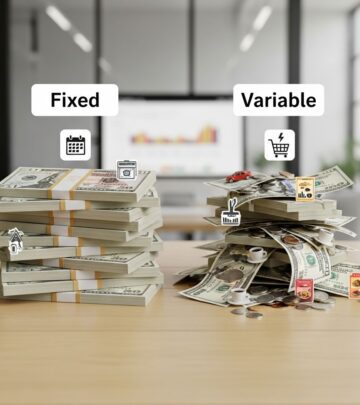
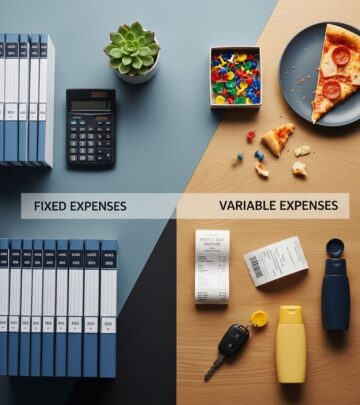
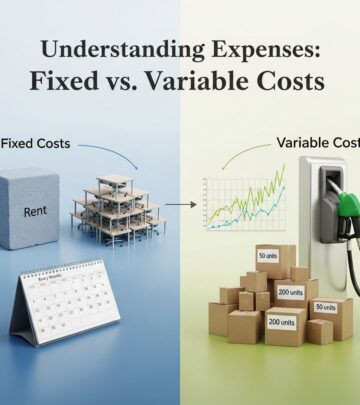
Expenses in your monthly budget fall into two main categories: fixed or variable. Understanding the key differences between them is crucial for accurate budgeting and financial planning.
Fixed Expenses
Fixed expenses remain relatively constant from month to month and are predictable in nature. These expenses typically don’t fluctuate significantly, making them easier to budget for and plan around.
- Rent or mortgage payments
- Car payments
- Other loan payments
- Insurance premiums (health, auto, home, and life insurance)
- Property taxes
- Phone and utility bills
- Child care costs
- Tuition fees
- Gym memberships and subscriptions
Variable Expenses
Variable expenses fluctuate month to month based on your lifestyle and consumption patterns. These expenses require more attention and tracking to budget accurately.
- Groceries and food costs
- Dining out and food delivery
- Entertainment and entertainment costs
- Clothing and personal care items
- Medical expenses and copays
- Travel and vacation costs
- Gifts and special occasions
- Household supplies
- Pet supplies and veterinary bills
Essential Monthly Expenses to Include in Your Budget
When building your budget, certain expenses take priority as essential needs. These are the foundation upon which all other budgeting decisions are made.
Housing Expenses
Housing expenses frequently consume the largest portion of monthly budgets, typically representing 25-30% of your income. This category includes monthly mortgage or rent payments, depending on whether you own or rent your home.
For homeowners, additional costs include property taxes (often escrowed in your mortgage payment), homeowners insurance, and maintenance expenses like plumbing repairs, landscaping, and periodic home improvements. Experts recommend setting aside 1-2% of your home’s value annually for maintenance costs to avoid being caught off guard by unexpected repairs.
Renters typically don’t factor in maintenance costs since landlords handle upkeep, but should budget for renters insurance to protect personal belongings. Additionally, renters should account for any required deposits or fees specified by their lease agreements.
Utilities and Basic Services
Utilities are necessities that typically represent a significant portion of your budget. On average, people spend around $380 a month on electricity, natural gas, water, trash and sewer services. When budgeting for utilities, review your past bills to determine realistic monthly estimates.
- Electricity and heating
- Water and sewer services
- Trash collection
- Internet service
- Phone bills
- Cable or streaming services
Food and Groceries
Whether cooking at home or dining out, food represents a significant monthly expense. Food costs are highly variable, making them an ideal area for budget optimization. Groceries can range significantly based on family size, dietary preferences, and shopping habits. Meal prepping and strategic shopping can help reduce this expense by $100 to $300 monthly. Keep track of your grocery spending by reviewing past receipts and establishing realistic targets based on your household size and preferences.
Transportation Costs
Transportation expenses include all costs related to getting from one place to another. This encompasses multiple components that should be tracked separately in your budget.
- Car payments (if financing a vehicle)
- Gasoline and fuel costs
- Auto insurance premiums (required in most states)
- Vehicle maintenance and repairs
- Parking fees and tolls
- Public transportation fares for train or bus riders
- Vehicle registration and licensing fees
For car insurance payments made infrequently (such as twice yearly), divide the annual premium by 12 to get the monthly cost to include in your monthly budget.
Insurance Protections
Insurance protects against financial catastrophe and should be a budget priority. Different types of insurance serve different purposes and should all be factored into your monthly expenses.
Health insurance premiums are often partially covered by employers, so budget only for your portion. Additionally, set aside money monthly for copays and deductibles to prepare for medical expenses. Other essential insurance includes auto insurance (required in most states), homeowners or renters insurance and potentially life insurance for those with dependents. Review your insurance coverage annually to ensure adequate protection while identifying potential savings opportunities.
Debt Repayment
For those carrying debt, monthly repayment obligations are essential budget items. Focus on the monthly payment amounts rather than total debt balances. This includes minimum payments on credit cards, student loans, personal loans, and other debts. While making minimum payments keeps accounts current, paying more than the minimum reduces total interest and shortens repayment timelines. Creating a dedicated debt repayment strategy can significantly impact your long-term financial health.
Savings and Emergency Funds
Setting aside money for savings should be treated as a non-negotiable monthly expense. Financial experts typically recommend saving 15-20% of your gross income each month, though the right amount varies based on your personal circumstances and financial goals. Set up automatic transfers to your high-yield savings account immediately after payday. This ‘pay yourself first’ approach ensures savings happen before discretionary spending tempts you to spend the money elsewhere.
Most financial advisors recommend maintaining an emergency fund covering three to six months’ worth of living expenses. This safety net protects you from unexpected financial hardships like job loss or medical emergencies.
Discretionary Monthly Expenses
After covering essential expenses, remaining income can be allocated between discretionary spending and additional savings. These expenses are non-essential but contribute to quality of life and entertainment.
Childcare and Family Expenses
Families with children should budget for daycare tuition, babysitting, and child-related activities. These expenses can vary significantly based on the number of children, their ages, and the type of care required. Include costs for after-school programs, extracurricular activities, and educational programs in this category.
Pet Expenses
Pet owners need to account for veterinary bills, pet food, grooming and pet-sitting services. Regular veterinary checkups, vaccinations, and preventative care should be budgeted for annually and spread across monthly expenses. Emergency pet medical costs can be substantial, so consider setting aside additional funds for unexpected veterinary expenses.
Communications and Subscriptions
Cell phone bills, internet service, cable or streaming subscriptions fall into this category. Many of these are fixed monthly expenses, making them easier to budget. Consider ways to reduce costs, such as sharing streaming service subscriptions with family members, choosing phone plans with appropriate data limits, or bundling services for discounts. Many people overspend in this category by maintaining subscriptions they no longer actively use.
Memberships and Recurring Services
Beyond streaming services, this includes gym memberships, magazine subscriptions, and professional organization dues. Review bank statements regularly to identify recurring charges you may have forgotten about or no longer need. Many budget experts recommend conducting a quarterly review of all subscriptions to eliminate wasteful spending. Small savings across multiple subscriptions can add up to substantial monthly savings.
Personal Care and Clothing
Budget for haircuts, skincare products, clothing and other personal items. While these expenses don’t occur monthly, setting aside money regularly prevents large, unexpected outlays. Create a realistic budget based on your personal grooming needs and shopping habits. Tracking these expenses helps identify areas where you might reduce spending without sacrificing self-care.
Entertainment and Dining
Entertainment expenses including dining out, movies, theater, nightlife, and hobbies should be budgeted as discretionary spending. These expenses vary based on personal preferences and can range widely. Many financial advisors recommend allocating 5-10% of your budget to entertainment and recreation.
Building Your Budget: Step-by-Step Approach
Creating an effective budget requires a systematic approach and consistent monitoring. Follow these steps to build a budget that works for your situation.
Step 1: Calculate Your After-Tax Income
Start with your after-tax income from all sources, including salary, freelance work, investment income, and any other regular income streams. This is your baseline for determining how much you can allocate to various expense categories. Be conservative in your estimates, using guaranteed income rather than variable or bonus income that may not materialize each month.
Step 2: Document Fixed Expenses
Document predictable monthly costs like rent, insurance premiums, loan payments, and subscription services. These form your budget’s foundation since they’re largely unchangeable in the short term. List each fixed expense with its exact monthly amount. This gives you a clear picture of your non-negotiable monthly obligations.
Step 3: Analyze Variable Expenses
Review past months’ spending on categories like groceries, utilities, and entertainment. Calculate average monthly amounts to create realistic budget targets. Look at three to six months of bank and credit card statements to identify spending patterns. This historical data provides a realistic foundation for budgeting variable expenses going forward.
Step 4: Allocate Remaining Income
After covering essential expenses, allocate remaining income between discretionary spending and savings. Prioritize building an emergency fund before increasing entertainment or luxury spending. Many experts recommend the 50/30/20 rule: allocate 50% of income to needs, 30% to wants, and 20% to savings and debt repayment.
Step 5: Monitor and Adjust
Monitor actual spending against your budget monthly. When discrepancies occur, determine whether you need to adjust spending habits or modify budget categories to reflect reality. This ongoing review process helps ensure your budget remains realistic and achievable. Be prepared to make adjustments as your income or circumstances change.
Sample Monthly Budget Example
| Category | Line Item | Monthly Amount |
|---|---|---|
| Needs | Rent/Mortgage | $2,000 |
| Utilities | $205 | |
| Groceries | $830 | |
| Insurance | Auto Insurance | $450 |
| Health Insurance | $300 | |
| Transportation | Car Payment | $300 |
| Gasoline | $150 | |
| Debt Repayment | Student Loans | $300 |
| Wants | Dining Out | $250 |
| Entertainment | $150 | |
| Subscriptions | $70 | |
| Clothing | $100 | |
| Savings | Emergency Fund | $300 |
| Retirement | $262 | |
| Vacation Fund | $200 | |
| Total Monthly Budget | $6,477 |
Cost-Saving Strategies for Your Budget
Small changes can produce significant savings over time. Consider implementing these cost-reduction strategies:
- Meal prepping to reduce dining expenses and food waste
- Canceling unused subscriptions and memberships
- Bundling insurance or service providers for discounts
- Shopping strategically for groceries using lists and avoiding impulse purchases
- Automating savings to ensure consistent progress
- Avoiding costly bank fees by maintaining minimum balances
- Using in-network ATMs to avoid unnecessary charges
- Negotiating bills like internet and insurance annually
- Carpooling or using public transportation when possible
Frequently Asked Questions
Q: What percentage of my income should go to housing?
A: Housing expenses should ideally consume 25-30% of your gross income. This includes rent or mortgage payments, property taxes, insurance, and maintenance costs for homeowners.
Q: How much should I save each month?
A: Financial experts typically recommend saving 15-20% of your gross income monthly. However, the right amount varies based on your personal circumstances, goals, and current financial obligations.
Q: How do I handle expenses that don’t occur every month?
A: For irregular expenses like car insurance paid twice yearly or annual subscriptions, divide the annual cost by 12 and include that amount as a monthly line item in your budget.
Q: What’s the difference between needs and wants?
A: Needs are essential expenses required for survival and maintaining employment, like housing, utilities, food, and transportation. Wants are discretionary expenses that enhance your lifestyle but aren’t necessary, like entertainment and dining out.
Q: How often should I review my budget?
A: Review your budget monthly to compare actual spending against planned amounts. Conduct a comprehensive budget review quarterly to identify trends and make necessary adjustments based on changing circumstances or income.
Q: What should my emergency fund cover?
A: Financial advisors recommend maintaining an emergency fund covering three to six months of living expenses. This provides financial security during job loss, medical emergencies, or other unexpected hardships.
Bottom Line
Creating a budget requires understanding all your monthly expenses, from essential housing and food costs to discretionary entertainment spending. By categorizing expenses as fixed or variable, you can better predict cash flow and identify opportunities to reduce spending or increase savings. The key to successful budgeting is consistency—track actual expenses against your budget monthly and make adjustments as needed. This process helps ensure your spending aligns with your income and financial goals while building healthy money management habits that support long-term financial success.
References
- List of monthly expenses to include in your budget — Bankrate. 2025. https://www.bankrate.com/personal-finance/monthly-expenses-examples/
- How To Make A Monthly Budget In 5 Simple Steps — Bankrate. 2025. https://www.bankrate.com/banking/how-to-make-a-monthly-budget/
- Fixed Expenses Vs. Variable Expenses: What’s the Difference? — Bankrate. 2025. https://www.bankrate.com/personal-finance/fixed-expenses-vs-variable-expenses/
- The Average American Household Budget — Bankrate. 2025. https://www.bankrate.com/personal-finance/average-household-budget/
- 18 Ways To Save Money On A Tight Budget — Bankrate. 2025. https://www.bankrate.com/banking/savings/ways-to-save-money-on-a-tight-budget/
- How Much Should I Save Each Month? — Bankrate. 2025. https://www.bankrate.com/banking/savings/how-much-money-should-i-save-each-month/
Similar Articles








Read full bio of Sneha Tete