How to Monitor Credit Card Usage Effectively
Master techniques to track spending, detect fraud, and manage your financial health
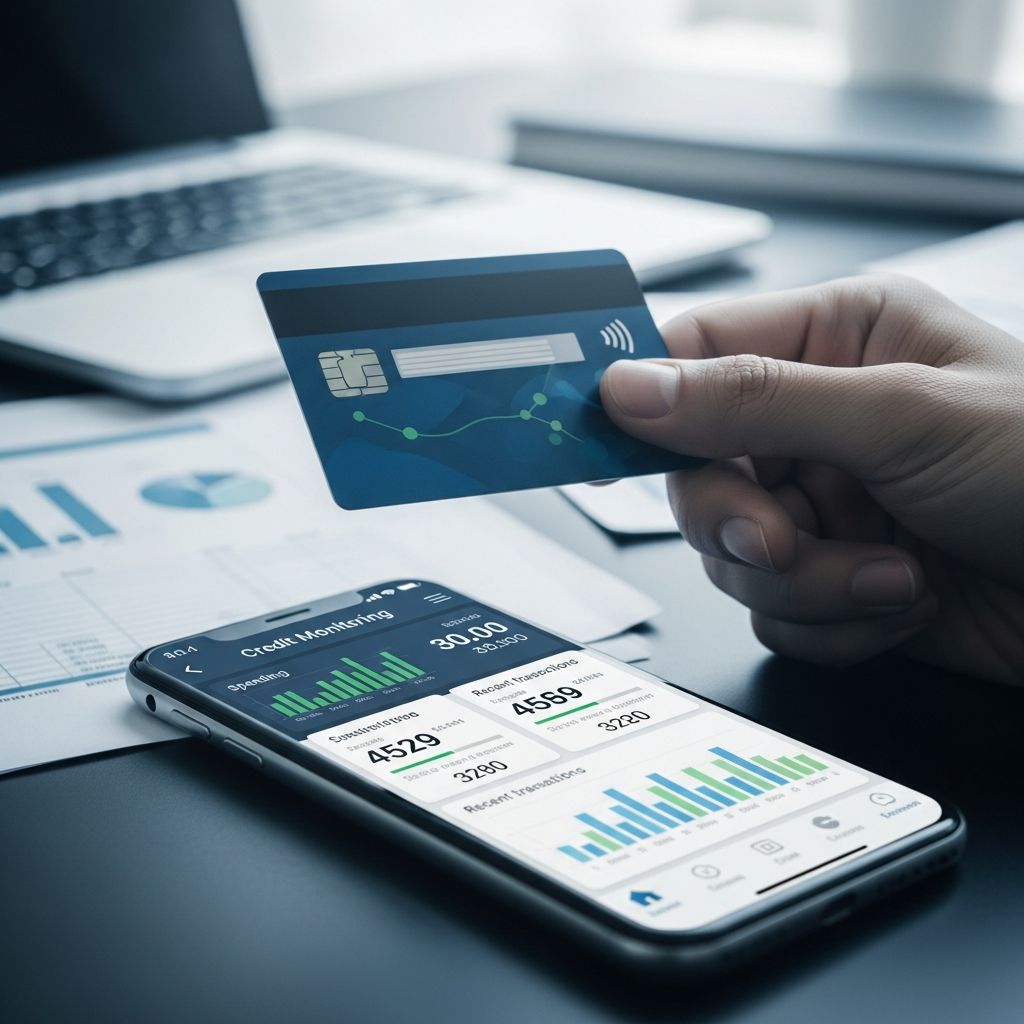
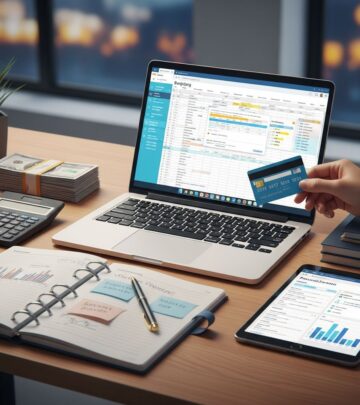
Keeping tabs on your credit card activity is a fundamental aspect of maintaining financial wellness. Whether you’re concerned about unauthorized charges, trying to manage your budget, or simply want to stay informed about your spending patterns, understanding how to track credit card usage provides you with the tools necessary to take control of your finances. Modern banking technology has made this process easier than ever, offering multiple avenues to monitor your accounts in real-time.
Understanding the Importance of Active Monitoring
The primary reason to actively monitor your credit card usage extends beyond simple curiosity about where your money goes. Real-time monitoring helps protect against identity theft and fraudulent charges by allowing you to identify suspicious activity quickly. Financial institutions now employ sophisticated fraud detection systems that analyze transactions continuously, but your personal vigilance adds an essential layer of security. When you regularly review your account activity, you become the first line of defense against unauthorized use of your card.
Beyond security considerations, tracking your credit card usage provides valuable insights into your spending behavior. This awareness enables you to make more informed financial decisions, identify unnecessary expenses, and adjust your budget accordingly. Studies on consumer behavior consistently show that people who actively monitor their spending tend to make more intentional purchasing decisions and maintain better control over their finances.
Monthly Statement Review: The Foundation of Tracking
Your credit card statement serves as a comprehensive record of all transactions during a specific billing cycle. This document provides crucial information including your account activity, payment obligations, interest rates, and other important details. The monthly statement review remains one of the most reliable methods of tracking credit card usage because it provides an official record from your financial institution.
To effectively review your statement, follow these essential steps:
- Obtain your statement through your preferred method—traditional mail or electronic delivery
- Systematically review each transaction listed
- Compare listed charges against your personal records and receipts
- Identify any unfamiliar merchants or amounts
- Verify that transaction dates match your purchase records
- Check for duplicate charges that may indicate processing errors
- Note the closing balance and compare it to your expectations
Many cardholders find that electronic statements (e-statements) offer advantages over traditional paper statements. Digital statements arrive faster, are easier to search using built-in functions, and can be organized more efficiently. If you haven’t already switched to e-statements, contacting your credit card issuer is a simple process that takes only a few minutes.
Real-Time Transaction Alerts: Immediate Notification Systems
While monthly statements provide a comprehensive overview, transaction alerts offer immediate notification of account activity, enabling you to catch suspicious charges before they become larger problems. Most major credit card issuers have invested significantly in security infrastructure and now offer customizable alert systems through their mobile apps and online platforms.
Setting up appropriate alerts can include notifications for:
- Any transaction, regardless of amount
- Purchases exceeding a specific dollar threshold
- Transactions in unfamiliar geographic locations
- Multiple transactions within a short time period
- Changes to account information or settings
- Approaching or exceeding credit limits
- Payments made or received
While some cardholders worry that frequent alerts become annoying, the security benefit typically outweighs minor inconveniences. Setting appropriate thresholds—such as alerts only for transactions above a certain amount—helps reduce notification fatigue while maintaining visibility over significant activity.
Online Account Portals and Mobile Applications
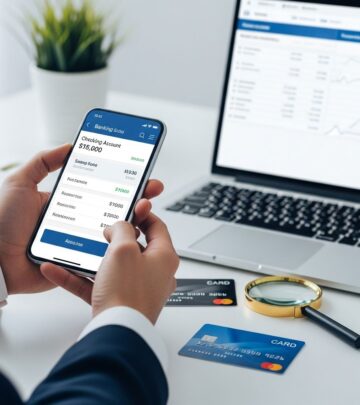
Modern credit card issuers provide sophisticated online platforms and mobile applications that put account monitoring directly in your hands. These tools offer functionality that extends far beyond simply viewing your balance. Built-in tracking features allow you to monitor spending patterns, categorize transactions, and even set spending limits within the application.
Key features typically available through these platforms include:
- Real-time balance updates reflecting the most recent transactions
- Detailed transaction history with merchant information and categorization
- Graphical representations of spending by category
- Comparison of current spending to previous periods
- Ability to temporarily freeze or lock the card
- Secure messaging with customer service representatives
- Dispute filing for unauthorized or incorrect charges
Taking advantage of these built-in tools costs nothing and requires minimal technical skill. Most applications have intuitive interfaces designed for easy navigation, and customer support teams can guide you through setup if needed.
Receipt Reconciliation and Personal Record Keeping
While digital tracking tools are valuable, maintaining personal records creates a backup system for verification. When you retain purchase receipts and compare them against your credit card statements, you create a comprehensive audit trail that catches errors and discrepancies.
An effective receipt management system might include:
- Organizing receipts by date or merchant category
- Noting the card used for each transaction
- Maintaining digital scans or photos of important receipts
- Creating a simple spreadsheet with transaction details
- Comparing personal records to statements monthly
This practice is particularly important for high-value purchases, recurring subscriptions, and transactions at unfamiliar merchants. If a dispute arises, having original receipts provides concrete evidence to support your claim.
Advanced Monitoring Technologies and Fraud Detection
Financial institutions now deploy sophisticated systems to protect cardholder accounts. Artificial intelligence and machine learning analyze transactions in real-time, identifying unusual patterns such as high-value purchases or transactions from unexpected locations. These systems examine behavioral patterns to detect deviations from your typical spending habits.
Fraud detection methodologies employed by major issuers include:
| Detection Method | How It Works |
|---|---|
| Behavioral Analysis | Systems learn your typical spending patterns and flag unusual purchases or locations |
| Geolocation Tracking | Monitors where transactions occur to identify impossible scenarios (card used in two distant locations simultaneously) |
| Amount Verification | Flags transactions that significantly exceed your typical purchase amounts |
| Velocity Checking | Identifies multiple transactions within a short timeframe that suggest unauthorized use |
| Authentication Tools | Address Verification Systems (AVS) confirm that cardholder information matches bank records |
When these systems flag suspicious activity, alerts are issued to cardholders, providing an opportunity to verify legitimacy and take corrective action if unauthorized charges occurred.
Addressing Discrepancies and Disputed Charges
If your monitoring efforts reveal unauthorized transactions or billing errors, most credit card issuers provide formal dispute processes. Understanding how to address these issues protects your financial interests and credit standing.
Steps to dispute a charge typically include:
- Contact your credit card issuer immediately upon discovery of the unauthorized charge
- Provide specific details about the transaction in question
- Document any supporting evidence such as receipts or correspondence
- Follow up in writing to create a paper trail
- Monitor your account during the dispute investigation period
- Verify resolution once the issuer completes their investigation
Federal regulations typically protect consumers from liability for unauthorized charges, especially when disputes are reported promptly. However, your prompt reporting significantly strengthens your position and expedites resolution.
Organizing Multiple Cards and Coordinated Tracking
For individuals who maintain multiple credit cards, coordinated tracking becomes more complex but remains essential. Creating a centralized system to monitor all accounts prevents missed payments and helps identify patterns in your overall spending behavior.
Effective multi-card organization strategies include:
- Maintaining a master spreadsheet listing all accounts, issuers, and due dates
- Setting separate alerts for each card to ensure no activity goes unnoticed
- Scheduling regular review sessions for each account on a calendar
- Using aggregation tools that pull information from multiple issuers into one dashboard
- Tracking annual fees and rewards earned across all accounts
This comprehensive approach prevents the common mistake of overlooking activity on lesser-used cards, which fraudsters sometimes target precisely because they receive less scrutiny.
FAQ: Common Questions About Credit Card Tracking
- How frequently should I review my credit card account?
- Ideally, you should check your account at least weekly through your online portal or mobile app, and always review your monthly statement before the payment due date. More frequent monitoring provides faster fraud detection.
- Is it safe to use mobile apps for credit card monitoring?
- Official apps from your credit card issuer use encryption and security protocols to protect your information. Downloading directly from your bank’s website or official app store (rather than third-party sources) ensures you’re using legitimate, secure applications.
- What should I do if I notice an unauthorized transaction?
- Contact your credit card issuer immediately by phone (using the number on your card or statement), report the unauthorized charge, and request initiation of the dispute process. Follow up with written documentation of your claim.
- Can I track my credit card if it’s lost or stolen?
- Most issuers allow you to freeze or temporarily lock your card through their mobile app or online portal, preventing unauthorized use. Additionally, your account monitoring alerts will notify you of any transactions attempted after the card goes missing.
- Do transaction alerts cost extra?
- No. Transaction alert systems are standard features provided by credit card issuers at no additional charge. Setting up alerts is completely free and takes only minutes.
Creating a Sustainable Monitoring Routine
The most effective credit card tracking strategy is one you can maintain consistently over time. Rather than implementing elaborate systems that become burdensome, focus on sustainable practices that integrate naturally into your routine.
A practical weekly routine might include:
- Spending 10 minutes reviewing recent transactions in your mobile app
- Checking for any unusual activity or unrecognized merchants
- Filing or photographing receipts from the week
- Noting any planned future charges to watch for
A monthly routine would include:
- Reviewing your complete statement
- Comparing all listed transactions against your receipts
- Analyzing spending by category to identify trends
- Confirming payment and due date information
Conclusion: Taking Control Through Active Monitoring
Credit card tracking doesn’t require complicated systems or excessive time investment. By utilizing the straightforward tools and features already provided by your issuer—monthly statements, transaction alerts, online portals, and mobile applications—you create a comprehensive monitoring system that protects your finances and provides valuable insight into your spending patterns. The combination of real-time alerts, regular statement review, and personal record-keeping creates multiple layers of protection against fraud while enabling informed financial decision-making. Begin implementing these strategies today to establish the monitoring practices that work best for your lifestyle and financial goals.
References
- The Credit Card Flow: Data Journey from Swipe to Payment — NMI. Accessed February 2026. https://www.nmi.com/blog/credit-card-flow-the-journey-data-takes-from-swipe-to-payment/
- Credit Card Monitoring — Silobreaker. Accessed February 2026. https://www.silobreaker.com/glossary/credit-card-monitoring/
- How Should I Track My Credit Card Spending? — Skyla Credit Union. Accessed February 2026. https://www.skylacu.com/learning-guidance/tracking-credit-card-spending
- How to Use Credit Cards to Manage Your Budget — NerdWallet. Accessed February 2026. https://www.nerdwallet.com/credit-cards/learn/credit-cards-manage-budget
- 6 Ways to Track Your Spending — American Express. Accessed February 2026. https://www.americanexpress.com/en-us/credit-cards/credit-intel/track-spending/
Similar Articles








Read full bio of Sneha Tete