19 Money-Themed Kids Gifts: Fun Ways to Teach Financial Literacy
Discover 19 engaging gift ideas that make learning about money fun and rewarding for children.
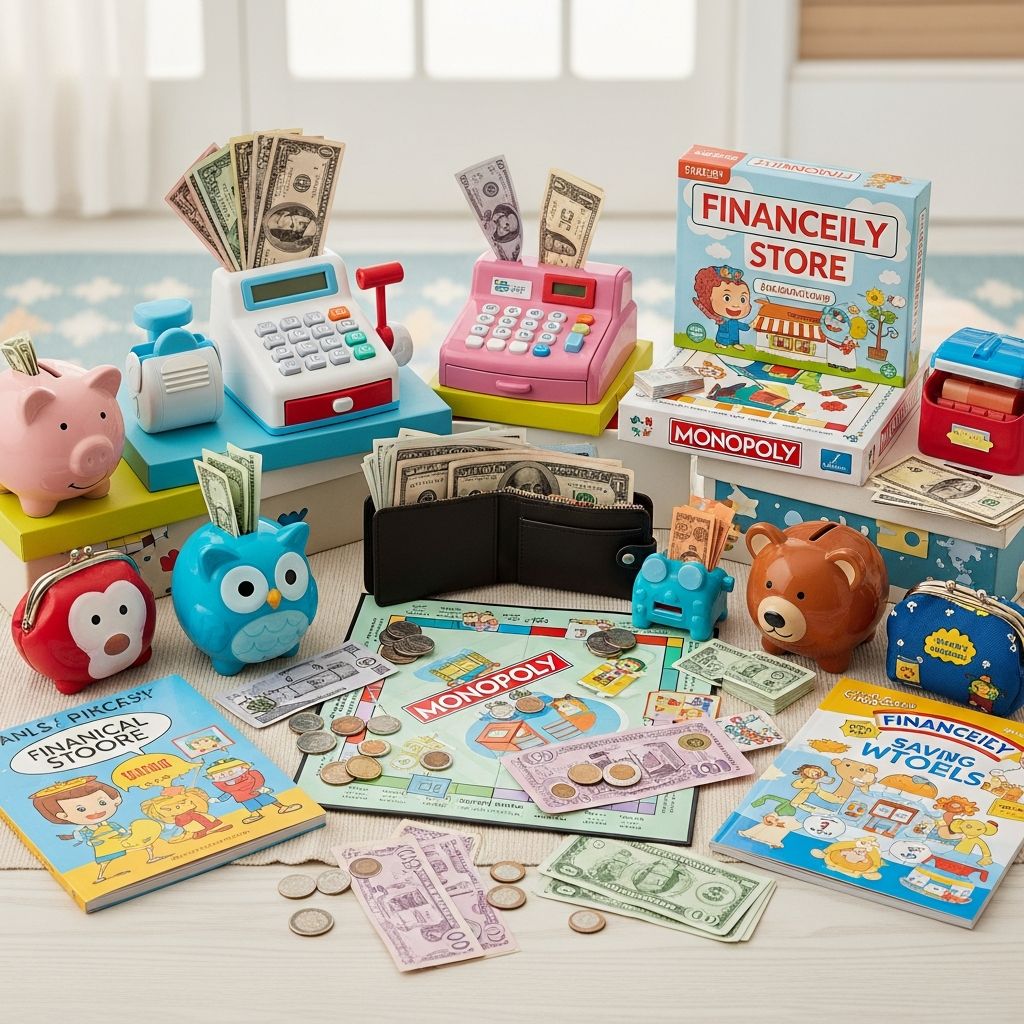
Teaching children about money doesn’t have to be boring or complicated. In fact, the best way to help kids develop healthy financial habits is by making learning about money fun and engaging. Money-themed gifts offer a unique opportunity to combine entertainment with education, helping your children build confidence with finances while enjoying themselves. Whether you’re looking for holiday gifts or birthday presents, these 19 money-themed ideas will help your child understand the value of money, the importance of saving, and how to make smart financial decisions.
Why Money-Themed Gifts Matter
Research shows that early financial education has a lasting impact on children’s money management skills throughout their lives. When kids develop an understanding of saving, spending, and planning early, they grow into adults who feel more confident making financial decisions. Money-themed gifts are more than just toys—they’re investments in your child’s financial future.
Modern parents recognize that meaningful gifts should serve a purpose beyond entertainment. Financially educational toys, games, and tools offer lasting value without adding unnecessary clutter to your home. They’re simple, practical, and easy to use, yet incredibly impactful in shaping your child’s relationship with money.
Money-Themed Books for Kids
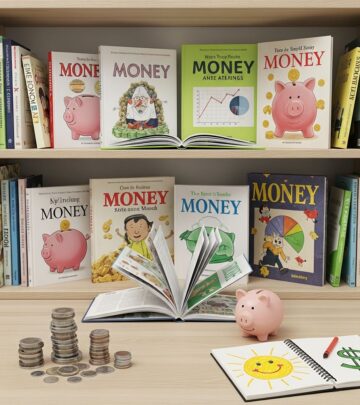
Books are an excellent way to introduce financial concepts to children in an engaging, age-appropriate manner. Here are some excellent money-themed books that make fantastic gifts:
1. “One Cent, Two Cent, Old Cent, New Cent” by Bonnie Worth
This delightful children’s nonfiction book brings the magic of Dr. Seuss to the world of money education. Written by Bonnie Worth and featuring the beloved Cat in the Hat, this book covers the fascinating history of money, from bartering to modern paper currency. Young readers learn how money evolved throughout history while enjoying the whimsical storytelling style that made The Cat in the Hat a classic. The book includes an index, making it an excellent introduction to learning how to use nonfiction resources. It’s perfect for children ages 4-8 who are beginning to understand what money is and why it matters.
Cost: $9.29
2. “Curious George Saves His Pennies” by Margret and H.A. Rey
This charming picture book follows everyone’s favorite monkey as he learns a valuable lesson about saving. Curious George sees a special red train in a toy store and decides he must have it. However, he quickly discovers that getting what you want requires earning money and saving it over time. This story is perfect for young children just beginning to understand their own desires and how to work toward goals. The book teaches that dreams and wants are achievable through effort and patience, making it ideal for preschoolers and early elementary school children.
Cost: $4.79
3. “How to Turn $100 Into $1,000,000” by James McKenna, Jeannine Glista, and Matt Fontaine
For older children who have already expressed interest in saving and investing, this 144-page book serves as an excellent primer. The book covers practical topics including getting your first job, saving your first million dollars, and understanding the power of compound interest. What sets this book apart is its action-oriented approach—rather than just teaching concepts, it provides real, actionable steps your child can implement immediately after finishing the book. This is ideal for preteens and teenagers who are ready to take concrete steps toward financial independence.
Cost: $14.99
Educational Board Games That Teach Money Skills
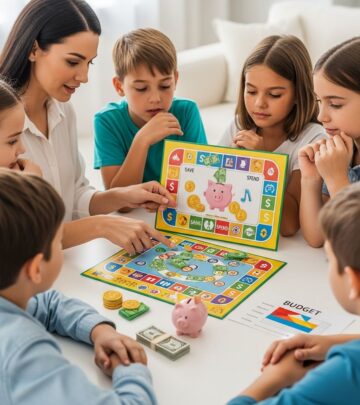
Games make learning about money interactive and enjoyable. Playing together as a family reinforces financial concepts while creating lasting memories. Here are some excellent money-themed board games:
Classic Games for Money Management
Traditional board games like Monopoly and The Game of Life are time-tested tools for teaching financial literacy. Monopoly introduces children to budgeting, decision-making, investing, and strategic financial planning as they navigate property purchases and financial transactions. The Game of Life teaches real-world scenarios related to career choices, home-buying, family expenses, and retirement planning. These games provide hours of entertainment while subtly reinforcing important money management principles.
4. Coin Counting and Money Games
Specialized coin-counting and money-matching games are prime tools for introducing money concepts to younger children. These games involve identifying coins, making change, and often include setting up pretend stores where children learn to count change, understand coin values, and manage basic transactions. These games are specifically designed for children ages 4-7 who are just beginning to understand that coins and bills have different values.
Cost: $13.99
5. Buy It Right Shopping Game
This educational board game is perfect for children who are just learning the basics of mathematics. Players are equipped with a calculator, paper bills, and coins, and must make correct change while recognizing different denominations of money. The game teaches practical math skills alongside money management, making it an excellent choice for children ages 6-10. Playing together helps children understand how money is used in everyday shopping situations.
Cost: $9.49
Interactive Money Play Toys
Sometimes the best way for children to learn about money is through hands-on, imaginative play. These toys encourage children to act out real-world money scenarios:
6. Toy Cash Registers
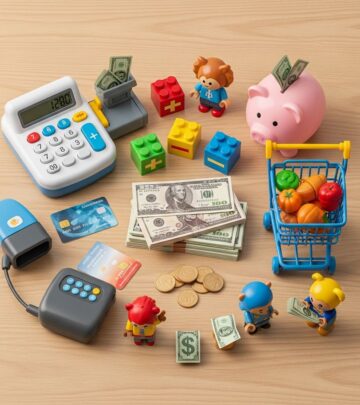
A toy cash register adds an engaging layer to playing with fake money and coins. Encourage your child to set up a pretend shop where they can take turns playing the role of shopper and store clerk. This role-playing activity helps children understand the basics of commerce, making change, and managing transactions. Kiddie cash registers come in a variety of styles—from character-themed versions featuring Barbie, Minnie Mouse, and Disney Princesses to gender-neutral designs. Most models include a satisfying “kah-ching” sound that makes the play experience even more enjoyable and rewarding.
Cost: $27.49
Piggy Banks: Modern Savings Tools
Piggy banks have evolved significantly from the simple pink porcelain pigs of yesteryear. Today’s piggy banks are designed to make saving money fun, interactive, and meaningful:
7. Melissa & Doug Created By Me Piggy Bank
This interactive piggy bank lets your child express their creativity while developing saving habits. Included with the bank are four pots of paint, glitter, and stickers—everything needed for your child to customize their very own piggy bank. After investing time and effort in decorating it, children develop a stronger emotional connection to saving. They’re more likely to protect and use their personalized bank, increasing their motivation to save money and reach their financial goals.
Cost: $13.99
8. Moonjar Classic Moneybox
This innovative bank teaches children about multiple financial purposes through three distinct compartments labeled Save, Spend, and Share. The three-section design helps children understand that money can serve different purposes beyond just accumulating wealth. By having a designated “share” section, children learn the importance of giving to others and developing generosity from a young age. This approach makes budgeting tangible and understandable for children ages 5 and up. The Moonjar is particularly effective for children who already receive an allowance or complete chores for money.
Cost: $15.99
9. Cartoon Excavator Piggy Bank
For children who dream of construction sites and heavy machinery, this excavator-themed piggy bank is the perfect combination of fun and function. Shaped like a construction vehicle, it appeals to children’s imagination and love of equipment. Kids simply insert coins into the back slot and can play with their new toy excavator while saving money. This design is especially appealing to children ages 3-7 who are fascinated by vehicles and construction.
Cost: $29.99
10. Dog Balloon Animal Piggy Bank
This modern, artistic piggy bank design combines style with function. Shaped like a balloon animal, it’s both whimsical and tasteful enough to display on a living room bookshelf without looking out of place. The artistic design appeals to children who love creative and decorative items. Unlike novelty piggy banks that become eyesores, this option doubles as room decor while teaching children about saving money. It’s perfect for children ages 5 and up who appreciate art and unique design.
Cost: Pricing varies
Banking Products for Older Children and Teens
For older children and teenagers, traditional toys may not be appropriate. Instead, consider real financial products that teach valuable lessons:
11. Youth Savings Accounts
A youth or kids’ savings account is a genuinely useful gift that extends far beyond the holiday season. Unlike toys that eventually get forgotten or outgrown, a savings account serves as a starting point for a better financial future. These accounts teach children the value of earning interest, tracking balances, and setting long-term financial goals. The best part? There’s no physical clutter around the house. You can wrap the account’s welcome materials in a festive envelope, include a small starting deposit, and let your child experience the excitement of watching their money grow.
12. Certificates of Deposit (CDs)
For young adults and teens who are ready for more advanced financial concepts, a Certificate of Deposit is an excellent gift. CDs teach patience, discipline, and delayed gratification while introducing the concept of compound interest. With a fixed interest rate and clear maturity date, CDs demonstrate the real rewards of committing to long-term savings. This is ideal for teenagers ages 14-18 who want to understand investment basics.
13. Prepaid Gift Cards and Reloadable Debit Cards
Teens love the freedom of choice, and prepaid cards offer the perfect balance between flexibility and control. These cards allow teenagers to manage a set budget, monitor their spending, and make purchasing decisions independently. Prepaid cards and reloadable debit cards let teens shop online or in stores while learning responsible financial independence. This is particularly valuable for teenagers ages 14-18 who want to develop real-world spending management skills.
Experiences That Teach Financial Skills
Some of the most valuable lessons about money come through experiential learning. Rather than purchasing physical items, consider giving experiences:
Interactive Learning Experiences
Financial experiences are becoming increasingly popular as families prioritize meaningful learning over physical clutter. Consider giving experiences such as visits to children’s museums with interactive play markets where kids can learn to shop on a budget and count change. Mini entrepreneur kits—such as lemonade stand materials with a small “loan” to purchase ingredients—provide hands-on lessons about business, costs, and revenue. These interactive learning experiences create fun memories while teaching children practical financial responsibility.
Summary: Choosing the Right Money-Themed Gift
| Age Group | Best Gift Types | Why It Works |
|---|---|---|
| Ages 3-5 | Toy cash registers, simple piggy banks, picture books | Hands-on play and visual learning match developmental stage |
| Ages 6-9 | Board games, coin-counting games, decorated piggy banks | Rule-based learning and strategic thinking develop during this period |
| Ages 10-13 | Advanced books, investing primers, savings accounts | Abstract thinking develops; ready for more complex concepts |
| Ages 14+ | CDs, debit cards, real bank accounts, entrepreneurship experiences | Near-independence; learning real financial tools builds confidence |
Frequently Asked Questions
Q: At what age should I start teaching children about money?
A: You can begin teaching basic money concepts as early as age 3-4 with simple picture books and play-based activities. As children grow, you can introduce more complex concepts like saving and investing. By age 10, most children can understand the basics of earning, spending, and saving.
Q: Are money-themed gifts better than regular toys?
A: Money-themed gifts offer lasting value by developing skills your child will use throughout their life. While all toys have entertainment value, financially educational gifts shape behaviors around saving and budgeting that benefit children long-term. They’re gifts that grow with the child rather than being forgotten after a few weeks.
Q: Can I use play money instead of real coins?
A: Absolutely. Play money works just as well as real currency for teaching concepts. You can set a list of goals or experiences that children can “purchase” with play dollars, such as choosing the movie for family movie night or selecting an activity for the weekend.
Q: How can I make saving money exciting for my child?
A: Set specific, achievable savings goals that matter to your child. Whether it’s a toy, experience, or reward, having a tangible target makes saving feel purposeful. Use colorful piggy banks, create a progress chart, or give small rewards for reaching milestones to maintain enthusiasm.
Q: What’s the best piggy bank for teaching budgeting?
A: A multi-compartment bank like the Moonjar Classic is ideal for teaching budgeting. The separate sections for saving, spending, and sharing help children understand that money serves different purposes and develop thoughtful spending habits from an early age.
References
- These 19 Holiday Gift Ideas Make Personal Finance Fun for Kids — The Penny Hoarder. https://www.thepennyhoarder.com/save-money/money-themed-kids-gifts/
- Holiday Gift Ideas for Kids that Help Teach the Value of Money — Shore United Bank. https://www.shoreunitedbank.com/shore-articles/holiday-gift-ideas-for-kids-that-help-teach-the-value-of-money
Similar Articles








Read full bio of Sneha Tete