37 Money-Saving Road Trip Tips for Budget Travelers
Master budget-friendly road tripping with 37 practical tips to save money on gas, lodging, food, and entertainment.
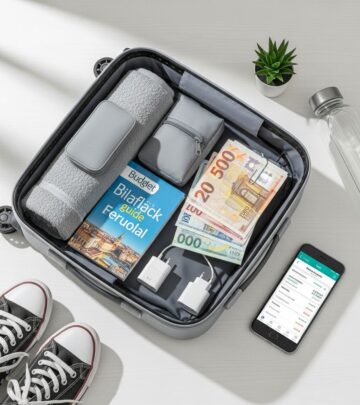
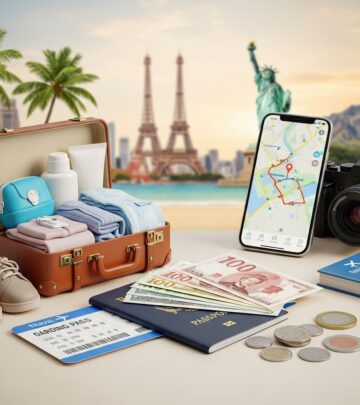
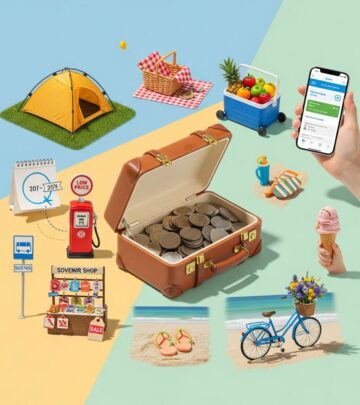
Road trips represent one of the most accessible and enjoyable ways to travel, offering freedom, flexibility, and the opportunity to explore at your own pace. However, the costs associated with road tripping—including gas, lodging, food, and entertainment—can quickly add up if you’re not strategic about planning and spending. Whether you’re planning a weekend getaway or an extended cross-country adventure, implementing smart money-saving strategies can significantly reduce your travel expenses without compromising the quality of your experience.
This comprehensive guide covers 37 proven tips to help you plan and execute an affordable road trip. By following these recommendations, you can stretch your travel budget further, save money on major expenses, and focus your resources on creating memorable experiences rather than unnecessary costs.
Travel Companions and Planning Strategies
1. Travel With Friends or Family Members
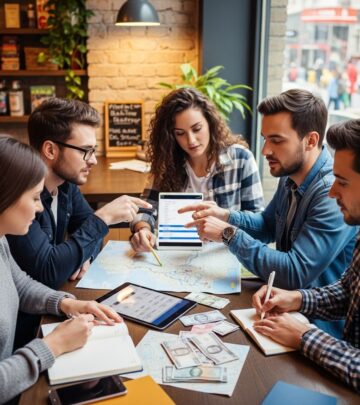
One of the most effective ways to reduce road trip costs is to share expenses with fellow travelers. When you road trip with friends or family members, you can split major costs like gas and lodging, potentially cutting your expenses in half. Beyond the financial benefits, traveling with companions makes long driving hours more enjoyable, provides backup navigation and driving support, and creates opportunities for shared memories. The key is choosing travel partners whose company you genuinely enjoy and whose travel styles are compatible with yours.
2. Set a Realistic Budget and Track Expenses
While the spontaneity and freedom of road tripping appeal to many travelers, setting a realistic budget is crucial for preventing overspending. Begin by identifying your major expense categories:
- Gas and vehicle maintenance
- Lodging and accommodation
- Food and dining
- Entertainment and activities
- Parking and tolls
- Souvenirs and miscellaneous expenses
Once you’ve outlined these categories, allocate specific amounts to each and monitor your spending throughout the trip. This disciplined approach ensures you won’t return home surprised by unexpected debt or overspending.
3. Plan Your Route in Advance
While you don’t need to schedule every minute of your trip, having a general route planned allows you to budget accurately and identify opportunities for savings. Planning ahead enables you to research accommodations, dining options, and activities before departure, compare prices, and identify discounts. You can still maintain flexibility for spontaneous detours and roadside attractions, but a fundamental plan provides structure and prevents costly last-minute decisions.
4. Choose Destinations Within One Tank of Gas
If you’re looking to minimize fuel expenses, select destinations within a day’s drive from home. The closer your destination, the less you’ll spend on gasoline. This strategy works particularly well for weekend getaways and helps you save money without sacrificing travel enjoyment or quality experiences.
Fuel Efficiency and Vehicle Management
5. Maximize Fuel Efficiency With Cruise Control
Maintaining a steady speed significantly improves fuel efficiency compared to frequent acceleration and deceleration. Using your vehicle’s cruise control on highways helps you maintain consistent speeds, reduces fuel consumption, and offers the added benefit of helping you avoid speeding—protecting you from expensive traffic violations that could derail your budget.
6. Leverage Navigation Systems Strategically
Modern navigation systems offer far more functionality than simply directing you to your destination. Use your GPS to identify toll roads so you can plan toll-avoiding routes or prepare for toll expenses. Navigation apps can also help you bypass traffic congestion, which reduces unnecessary fuel consumption and saves time—allowing you to make the most of your travel days.
7. Use Gas-Finding Apps and Tools
Apps like GasBuddy help you locate the cheapest gasoline along your route, enabling you to time fuel stops strategically and save money at the pump. Combining route planning with gas price comparison ensures you’re not purchasing expensive fuel unnecessarily.
8. Monitor and Maintain Tire Pressure
Proper tire pressure improves fuel efficiency, extends tire lifespan, and enhances vehicle safety. Before departing on your road trip, verify that all tires are inflated to the manufacturer’s recommended pressure. Underinflated tires increase rolling resistance, reducing fuel economy and making your vehicle work harder than necessary.
Packing Strategies for Cost Savings
9. Pack Thoughtfully to Avoid Roadside Purchases
Comprehensive packing before departure prevents costly emergency purchases during your trip. If you’re traveling to a cooler climate, pack appropriate jackets and layering options. For rainy destinations, bring an umbrella. Heading to the coast? Pack a bathing suit. While you can rewear items like jeans and hoodies during a road trip, packing adequate underwear and socks prevents the need to purchase new clothes on the road.
Food and Dining Savings
10. Pack Snacks From Home
Airport concessions and convenience stores charge premium prices for snacks. Packing trail mix, granola, crackers, and other portable snacks from home eliminates the need to purchase overpriced items during your journey. This simple strategy can save substantial amounts over the course of a road trip.
11. Bring a Reusable Water Bottle
Purchasing bottled water at tourist attractions and convenience stores costs significantly more than refilling your own bottle. Bring an empty water bottle and refill it at water fountains, fast-food restaurants, or filtered water stations. This not only saves money but also helps you stay hydrated during your travels—particularly important during outdoor activities.
12. Shop at Grocery Stores Instead of Restaurants
If your accommodation includes kitchen access, shopping at grocery stores and preparing your own meals offers dramatic savings compared to eating restaurant food for every meal. Even on extended road trips, you can bring non-perishable groceries from home or pack a cooler with items that require refrigeration. Preparing some meals yourself while eating out occasionally strikes a balance between budget consciousness and dining enjoyment.
13. Choose Lunch Dining Over Dinner
High-profile restaurants typically offer lunch menus at lower prices than their dinner counterparts. If you’re interested in experiencing a particular restaurant’s cuisine, visit during lunch when prices are more affordable. Save budget dining options for dinner, such as quick-service restaurants or sandwich shops.
14. Research and Use Dining Discounts
Before your trip, research restaurants in your destination using Yelp and similar platforms to identify establishments within your budget. Discount platforms like Groupon and LivingSocial offer dining deals, and sites like Restaurant.com and Raise.com sell discounted restaurant gift cards. Hotel lobbies and visitor centers often contain coupons and discount vouchers for local restaurants. If you’re celebrating a birthday during your travels, inquire about birthday specials and free items offered by restaurants.
15. Order Water at Restaurants
Ordering water instead of soft drinks, alcohol, or other beverages significantly reduces your dining bill. Water is free at restaurants and offers the additional benefit of keeping you properly hydrated during your travels. Drinking water before meals can also increase satiety, potentially reducing the amount you eat and allowing leftovers for later meals.
16. Plan Meals Around Happy Hour Specials
Many restaurants offer discounted food and beverages during happy hour. Research happy hour times at establishments near your destination and plan your dining to coincide with these periods. Different restaurants offer specials at different times, so advance research allows you to maximize savings.
17. Leverage Free Lodging Food Benefits
Make full use of complimentary continental breakfasts, cookies, and coffee provided by your hotel. Take advantage of free samples during winery or brewery tours. If friends or family members offer to host you for a meal, accept their generosity—free meals from people you know often provide better quality and quantity than budget dining alternatives.
Lodging Alternatives
18. Go Camping for Significant Savings
Camping costs substantially less than hotel stays, particularly if you already own camping equipment or can borrow gear from friends. Maximize savings by seeking free or discounted camping sites, avoiding peak season travel when possible, and skipping overpriced on-site camp stores in favor of groceries purchased before arrival.
19. Try Couch Surfing
Eliminate lodging costs entirely by staying with friends or family members who offer their spare bedroom or couch. If you don’t have personal connections in your destination, the Couchsurfing app connects travelers with hosts willing to provide free accommodation. This approach combines budget savings with opportunities to interact with locals and experience destinations from an insider’s perspective.
20. Volunteer for Free Room and Board Through WWOOF
Worldwide Opportunities on Organic Farms (WWOOF) is an exchange program connecting volunteers with organic farms worldwide. In exchange for work on the farm, participants receive free room and board. If you don’t mind agricultural labor during your road trip, this program offers substantial lodging savings while providing meaningful work experiences and connecting you with farmers and agricultural communities.
Activities and Entertainment on a Budget
21. Choose Free and Low-Cost Activities
Many of the best road trip experiences cost little or nothing. Hiking and biking provide excellent physical activity and access to natural scenery. If you have children, visit free playgrounds or enjoy picnics in public parks. Urban hiking allows you to explore cities on foot, experiencing local architecture and neighborhoods without paid tours. These activities create valuable memories while keeping entertainment expenses minimal.
22. Create Self-Guided Tours Instead of Hiring Guides
Professional guided tours provide valuable insights but come at a cost. Instead, research destinations before your trip and create personalized lists of places you want to visit. Crowdsource recommendations through social media or download free walking tour apps like GPSmyCity. This approach offers flexibility, personal agency, and significant cost savings while delivering quality destination experiences.
Technology and Device Management
23. Invest in Multi-Port Car Chargers
Purchase a five-port car charger to keep everyone’s phones, tablets, and devices powered during the drive. Maintaining device battery life prevents the need to purchase power banks or pay for charging services at rest stops and hotels.
Frequently Asked Questions
Q: How much money can I save by road tripping with a friend?
A: You can potentially cut major expenses like gas and lodging in half by splitting costs with a travel companion, though actual savings depend on your itinerary, destination, and specific expenses.
Q: What’s the best way to save money on fuel during a road trip?
A: Maintain steady speeds using cruise control, monitor tire pressure, use gas-finding apps to locate affordable fuel, choose closer destinations, and plan routes that minimize driving distance.
Q: Can I really save money by camping instead of staying at hotels?
A: Yes, camping costs significantly less than hotels, especially if you have your own equipment or can borrow gear. Look for free campsites and avoid peak season travel to maximize savings.
Q: How much can I save by preparing my own meals during a road trip?
A: Preparing even some meals yourself can save hundreds of dollars on an extended trip, particularly if your accommodation has kitchen access. Grocery shopping for breakfast and lunch while eating out for one meal daily balances budget consciousness with dining experiences.
Q: What are the best free entertainment options during a road trip?
A: Hiking, biking, urban exploring, visiting public parks, and creating self-guided city tours provide excellent free entertainment. Research destinations beforehand to identify free attractions and activities.
Q: How can I ensure I stick to my road trip budget?
A: Set a detailed budget before departure, track expenses throughout your trip, plan major activities and meals in advance, and prioritize experiences over material purchases.
References
- 37 Tips to Help Save Money on Your Next Road Trip — The Penny Hoarder. https://www.thepennyhoarder.com/save-money/road-trip-tips/
- 11 Ways to Avoid Overspending on Food During Your Next Vacay — The Penny Hoarder. https://www.thepennyhoarder.com/save-money/how-to-save-money-on-food-while-traveling/
- Tips You Need to Know When Traveling For National Road Trip Day — News4Jax. https://www.news4jax.com/river-city-live/2021/05/28/tips-you-need-to-know-when-traveling-for-national-road-trip-day/
Similar Articles








Read full bio of medha deb