33 Money Saving Hacks to Stretch Your Budget
Discover 33 proven money-saving hacks to stretch your budget further, from grocery tips to gas savings and smart budgeting strategies.

Stretching your budget in today’s economy requires smart, actionable strategies. These 33 money-saving hacks, drawn from expert advice and real-world practices, target key spending areas like groceries, gas, utilities, and daily habits. Implementing even a few can lead to significant annual savings, helping you build an emergency fund or pay down debt.
Groceries
1. Use a Shopping List
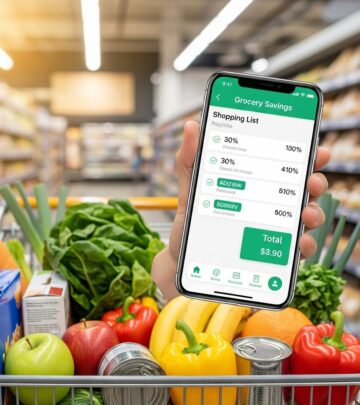
Impulse buys at the grocery store can inflate your bill by 20-30%. Create a list based on meal plans and stick to it. Apps like AnyList or paper lists prevent wandering aisles and unnecessary purchases.
2. Shop the Store Perimeter
Most stores layout places fresh produce, meats, dairy, and bakery items around the edges. Processed foods line the inner aisles. Prioritizing perimeter shopping promotes healthier eating and cuts costs on packaged goods.
3. Buy Frozen and Canned Vegetables and Fruits
Frozen and canned produce offer similar nutrition to fresh at lower prices and longer shelf life. Banquet chef Jessica Ayala recommends broccoli, carrots, peas, and cauliflower in these forms to minimize waste. Assess what fresh items you realistically consume.[Consumer Reports]
4. Buy Meat on Sale in Bulk and Freeze It
Opt for sales on larger packs like 3-pound ground beef or family chicken breasts. Portion into 1-pound freezer bags. Alternatives like beans reduce costs further if cutting meat days.
- Scan weekly ads for deals.
- Invest in a vacuum sealer for longer storage.
- Pair with versatile recipes.
5. Meal Prep (Seriously, At Least a Little)
Prep basics like chopped veggies or cooked grains weekly. This curbs takeout temptations. Cooking home four nights saves $2,000 yearly versus $40 orders.[U.S. Bureau of Labor Statistics]
6. Use Coupons and Cash-Back Apps
Apps like Ibotta or Checkout 51 rebate post-purchase. Combine with store loyalty for stackable savings up to 15% per trip.
7. Switch to Store Brands
Store brands match quality at 20-40% less. Blind tests show minimal taste differences in staples like cereal and pasta.
8. Buy (Certain Things) in Bulk at Warehouse Clubs
Essentials like toilet paper yield best savings. Check Groupon for discounted Costco/Sam’s memberships or try Boxed for delivery sans fees.
9. Shop Seasonally
In-season produce costs less. U.S. peaks: strawberries May-August; apples September-November. Farmers markets amplify deals.
| Produce | Peak Season |
|---|---|
| Strawberries | May-August |
| Apples | September-November |
| Broccoli | October-April |
10. Serve Smaller Portions
Smaller plates trick eyes into satisfaction, reducing waste and calories. Awareness combats overeating.
11. Purchase Versatile Ingredients
Chicken works in salads, bowls, quesadillas. Stock pantry staples: rice, beans, spices for endless meals.
12. Go Grocery Shopping in Your Pantry
Inventory fridge/pantry first. Meal plan around existing items to slash waste and bills.
Dining Out
13. Eat Out Less
Average household spends $3,000 yearly dining out. Home cooking slashes this dramatically.
14. Use Rewards and Loyalty Programs
Apps like OpenTable or restaurant points offset bills. Credit card rewards add layers.
15. Share Meals or Order Appetizers
Split entrees or apps as mains. Many spots offer lunch specials cheaper than dinner.
Gas
16. Check Out Fuel Reward Programs
Grocery-linked rewards like Kroger fuel points discount per gallon. Station programs like Shell add up.
17. Use Gas Discount Apps
Upside, GasBuddy locate cheapest stations. Upside claims $40/month average savings.
18. Drive Efficiently
Smooth acceleration, maintained tire pressure save 10% fuel per DOE. Avoid idling.
Utilities
19. Be as Smart as Your Smart Thermostat
Optimize settings: 78°F summer, 68°F winter saves 10% or $173 yearly per DOE.[U.S. Department of Energy]
20. Unplug Electronics
Standby power costs $100/year household. Power strips simplify.
21. Use LED Bulbs
LEDs use 75% less energy, last 25x longer than incandescents.
22. Wash Clothes in Cold Water
90% dryer energy heats; cold washes save 90% vs. hot.
Subscriptions and Bills
23. Audit Subscriptions Monthly
Cancel unused like $10/month streaming equals $120/year.
24. Negotiate Bills
Call providers; retention offers 20% discounts often. Compare competitors.
25. Threaten To Break Up With Providers
Request retention; loyalty discounts retain customers.
Shopping and Clothes
26. Wait 24-48 Hours Before Buying Non-Essentials
Cooling-off prevents impulse. Many regret 30% purchases.
27. Buy Used or Repair
Thrift apps, repairs extend item life cheaply vs. new.
28. Learn Money Hacks for Household Items
Vinegar cleans dishwasher; Windex makeup brushes. Repurpose saves buying cleaners.
Budgeting Basics
29. Try the 50/30/20 Rule
50% needs, 30% wants, 20% savings/debt. Adapt as needed.
30. Envelope System
Cash envelopes for categories enforce limits.
31. Zero-Based Budget
Assign every dollar a job until income-expenses=0.
32. Spending Freeze
One month no nonessentials tames habits.
33. Starve and Stack
Couples live on one income, stack other for debt/savings. Paid off $78k in 2 years.
Frequently Asked Questions (FAQs)
What are the best grocery saving hacks?
Shop lists, seasonal, bulk meats frozen, pantry first, store brands top lists.
How much can gas apps save?
Upside averages $40/month; rewards add more.
Is bulk shopping worth it?
Yes for nonperishables; avoid perishables unless used quickly.
What’s zero-based budgeting?
Every dollar assigned; no money left unallocated.
Can negotiating bills really work?
Yes, retention departments offer deals to keep you.
References
- Consumer Reports: Frozen vs. Fresh Produce — Consumer Reports. 2023-05-15. https://www.consumerreports.org/food-buying-guide/frozen-vs-fresh-produce-which-is-healthier-a1124046696/
- U.S. Bureau of Labor Statistics: Consumer Expenditures — U.S. Bureau of Labor Statistics. 2024-09-10. https://www.bls.gov/news.release/cesan.nr0.htm
- Smart Thermostats — U.S. Department of Energy. 2024-02-28. https://www.energy.gov/energysaver/smart-thermostats
- Energy Savers: Thermostats — U.S. Department of Energy. 2023-11-20. https://www.energy.gov/energysaver/thermostats
- Consumer Expenditure Survey — U.S. Bureau of Labor Statistics. 2025-01-15. https://www.bls.gov/cex/
Similar Articles








Read full bio of Sneha Tete