Money Market: Definition, Functions, and Instruments
Understand money markets: short-term financial assets, key instruments, and their role in the global financial system.

The money market is a critical component of the global financial system that provides short-term funding and facilitates the flow of liquidity among financial institutions, businesses, and governments. Unlike the capital markets, which focus on long-term investments, the money market specializes in highly liquid, short-term assets with original maturities of one year or less. Understanding the money market is essential for investors, financial professionals, and anyone seeking to comprehend how modern economies manage short-term financial needs and maintain economic stability.
What Is the Money Market?
The money market can be defined as a component of the broader financial market that deals with short-term loans and the trading of short-term financial instruments commonly referred to as “paper.” The defining characteristic of money market instruments is their short-term nature, typically ranging from overnight loans to twelve months. Money market trading occurs over-the-counter (off-exchange), meaning transactions happen directly between participants rather than on centralized exchanges like stock markets.
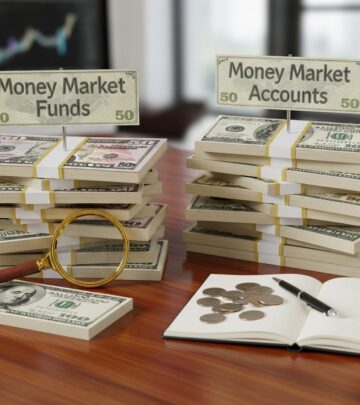
Money market funds typically invest in government securities, certificates of deposit, commercial paper issued by companies, and other highly liquid, low-risk securities. The primary appeal of money market instruments lies in their combination of safety, liquidity, and reasonable returns, making them attractive to conservative investors and financial institutions seeking to manage their cash positions effectively.
Key Functions of the Money Market
The money market serves five essential functions within the financial system:
- Financing Trade: The money market provides the necessary short-term credit to facilitate domestic and international commerce, enabling businesses to manage working capital requirements.
- Financing Industry: Industrial enterprises access short-term funding through money markets to cover operational expenses and bridge temporary cash flow gaps.
- Profitable Investments: Commercial banks utilize their excess reserves in money market instruments to generate returns while maintaining liquidity for depositor demands.
- Enhancing Bank Self-Sufficiency: Financial institutions reduce their dependence on central bank support by actively participating in money markets.
- Supporting Monetary Policy: Money markets facilitate the implementation of central bank policies by providing channels through which monetary authorities can influence interest rates and credit availability.
Liquidity Management and Bank Operations
One of the most important functions of the money market is enabling commercial banks to manage liquidity efficiently. Banks face a constant challenge: they must maintain sufficient liquid reserves to meet unexpected depositor withdrawals while simultaneously earning income on their capital. The money market solves this dilemma by allowing banks to invest excess reserves in near-money assets, such as short-term bills of exchange, which can be quickly converted to cash without significant loss.
This liquidity management function extends beyond individual banks. Money markets facilitate the efficient distribution of liquidity among financial institutions, reducing the need for direct central bank intervention. This market-based approach to liquidity allocation improves the overall efficiency of monetary policy operations, though limitations exist in low-interest-rate environments where traditional monetary policy channels may prove less effective.
Money Market Participants
The money market consists of a diverse range of financial institutions and dealers who participate in buying, selling, lending, and borrowing short-term instruments. Key participants include:
- Commercial Banks: Primary participants that lend and borrow short-term funds to manage liquidity and interest rate exposure.
- Central Banks: Conduct monetary policy operations and manage national reserves through money market instruments.
- Investment Firms: Manage money market funds and provide trading services for institutional and retail clients.
- Finance Companies: Secure funding by issuing asset-backed commercial paper backed by valuable collateral such as auto loans and mortgage-backed securities.
- Corporations: Large, financially stable companies issue their own commercial paper or arrange issuance through banks to meet short-term funding needs.
- Government Agencies: Issue short-term securities to fund operations and manage cash flows.
Interbank Lending and Core Money Market Operations
The heart of the money market revolves around interbank lending, where banks lend and borrow from each other using financial instruments such as commercial paper and repurchase agreements. These instruments are often valued with reference to the London Interbank Offered Rate (LIBOR), which represents the interest rate at which banks are willing to lend to each other for specific terms and currencies.
Interbank lending is crucial for maintaining the smooth functioning of the banking system. When a bank experiences a temporary shortage of reserves, it can borrow from other banks through the money market rather than relying solely on central bank lending facilities. This decentralized approach to liquidity distribution makes the financial system more resilient and efficient.
Major Money Market Instruments
Money market instruments represent various types of short-term debt obligations and investments. Understanding these instruments is essential for comprehending how money markets operate:
Treasury Bills
Treasury bills are short-term debt obligations issued by national governments, typically maturing within three to twelve months. These instruments are considered among the safest money market investments because they are backed by the full faith and credit of the issuing government. Treasury bills are issued at a discount to their face value, with investors earning returns equal to the difference between the purchase price and redemption value.
Commercial Paper
Commercial paper consists of short-term promissory notes issued by established corporations at a discount to face value and redeemed at face value upon maturity. These unsecured debt instruments typically mature within 270 days or less, allowing companies to raise short-term funding without the formality of bank loans. Finance companies often secure funding by issuing asset-backed commercial paper (ABCP), which is backed by valuable assets such as auto loans, credit card receivables, and mortgage-backed securities.
Certificates of Deposit (CDs)
Certificates of deposit are time deposits offered by banks and financial institutions where investors commit their funds for a specific period in exchange for a predetermined interest rate. Money market CDs typically have shorter terms than traditional certificates of deposit, ranging from a few months to one year.
Eurodollar Deposits
Eurodollar deposits represent U.S. dollar deposits made at banks or bank branches located outside the United States. These instruments provide additional flexibility for international investors and corporations managing multi-currency portfolios.
Federal Agency Short-Term Securities
In the United States, government-sponsored enterprises such as the Farm Credit System, Federal Home Loan Banks, and Federal National Mortgage Association issue short-term securities that trade actively in money markets. These instruments carry implicit backing from the federal government, making them relatively low-risk investments.
Money Market Mutual Funds
Money market mutual funds pool capital from multiple investors and invest in various money market securities on their behalf. These funds are managed by professional investment institutions and provide retail and institutional investors with easy access to diversified money market investments without requiring substantial minimum investments.
Foreign Exchange Swaps
Foreign exchange swaps involve exchanging currencies at a spot date with a predetermined reversal of the exchange at a future date. These instruments help manage currency risk and facilitate international commerce.
Repurchase Agreements
Repurchase agreements (repos) are transactions where one party sells securities to another with an agreement to repurchase them at a specified price on a future date. These instruments effectively function as short-term loans collateralized by securities and are extensively used in interbank lending.
Money Market Characteristics
Money market instruments share several defining characteristics that distinguish them from other financial assets:
- Short Maturity: All instruments mature within one year or less, providing certainty about when invested capital will be returned.
- High Liquidity: Money market instruments can be quickly converted to cash with minimal transaction costs and price impact.
- Low Risk: Most money market instruments carry minimal credit risk due to their short duration and the creditworthiness of typical issuers.
- Predictable Returns: The short-term nature of these instruments allows investors to forecast income with reasonable accuracy.
- Over-the-Counter Trading: Transactions occur directly between market participants rather than on centralized exchanges, providing flexibility and efficiency.
The Money Market’s Role in the Global Financial System
Money markets are integral to the functioning of the global financial system. They provide essential liquidity for capital markets by enabling financial institutions to manage their day-to-day cash needs efficiently. Without functioning money markets, the capital markets would face significant disruptions as market participants struggled to manage short-term liquidity requirements.
Money markets also serve as the transmission mechanism through which central banks implement monetary policy. By influencing money market interest rates, central banks can affect credit availability, inflation, and economic growth throughout the broader economy.
Money Market vs. Capital Market
While both operate within the broader financial system, money markets and capital markets serve distinctly different purposes:
| Characteristic | Money Market | Capital Market |
|---|---|---|
| Maturity | One year or less | Greater than one year |
| Instruments | Treasury bills, commercial paper, CDs, repos | Bonds, stocks, long-term securities |
| Risk Level | Low to very low | Moderate to high |
| Purpose | Short-term liquidity management | Long-term capital formation |
| Trading Venue | Over-the-counter | Centralized exchanges and OTC |
Benefits of Money Market Participation
Participation in money markets offers numerous advantages to various stakeholders. For commercial banks, money markets provide opportunities to earn returns on excess reserves while maintaining the liquidity necessary to meet depositor demands. For corporations, money markets offer access to short-term funding at competitive rates without the formality of traditional bank loans. For investors, money market instruments provide safe, liquid investments with predictable returns. For governments, money markets facilitate the funding of short-term fiscal needs and the implementation of monetary policy.
Frequently Asked Questions
Q: What is the primary purpose of the money market?
A: The primary purpose of the money market is to provide short-term funding and facilitate the efficient management of liquidity among financial institutions, businesses, and governments. It enables participants to balance their cash positions and earn returns on temporary excess funds.
Q: Why are money market instruments considered low-risk?
A: Money market instruments are considered low-risk because they have short maturities (typically one year or less), are issued by creditworthy entities, and can be quickly converted to cash. The short time horizon minimizes the probability of default and economic disruption.
Q: How do central banks influence the money market?
A: Central banks influence the money market by adjusting key interest rates, managing reserve requirements, and conducting open market operations. These actions affect the availability and cost of short-term credit throughout the financial system.
Q: What is the difference between the money market and the stock market?
A: The money market deals with short-term debt instruments (one year or less) with low risk, while the stock market deals with equity ownership stakes in companies for longer-term investments. Money markets focus on liquidity, while stock markets focus on capital appreciation.
Q: Can individual investors participate in the money market?
A: Yes, individual investors can participate in the money market through money market mutual funds, which pool capital from multiple investors and professionally manage diversified portfolios of money market securities, requiring lower minimum investments than direct purchases.
References
- Money Market — Wikipedia. Accessed November 2025. https://en.wikipedia.org/wiki/Money_market
Similar Articles








Read full bio of Sneha Tete