Money Market Accounts Guide
Discover how money market accounts combine high yields, liquidity, and safety for smarter saving strategies.

Money market accounts (MMAs) offer a hybrid solution for savers seeking higher returns than standard savings accounts alongside convenient access to funds. These deposit accounts, available at banks and credit unions, typically provide competitive interest rates while allowing limited transactions via checks or debit cards.
Understanding the Fundamentals of Money Market Accounts
A money market account functions as a savings vehicle that earns interest through the bank’s investments in low-risk assets like government securities and certificates of deposit. Unlike checking accounts, which prioritize transactions over growth, MMAs balance earning potential with accessibility. Banks pass a portion of the interest from these investments to account holders, resulting in variable rates that respond to market conditions.
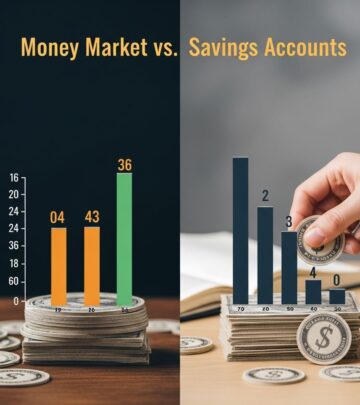
As of March 30, 2026, the national average MMA rate stands at 0.43%, but top offerings exceed 4%, far surpassing typical savings yields. This makes MMAs suitable for those who want growth without locking funds away, distinguishing them from time-bound options like CDs.
Key Benefits That Set MMAs Apart
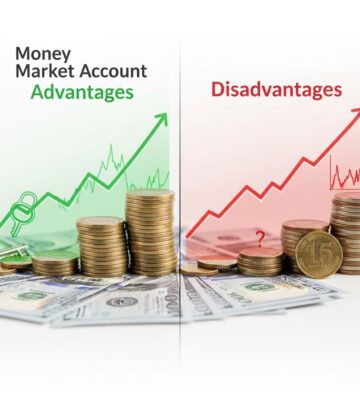
MMAs shine in several areas, making them a preferred choice for strategic saving.
- Higher Yields for Accelerated Growth: MMAs generally outpace regular savings accounts, enabling faster accumulation. Competitive APYs reward diligent savers shopping for the best rates.
- Liquidity Without Penalties: Access funds easily via ATM, debit card, or checks, subject to monthly limits—typically six per statement cycle—offering more flexibility than CDs.
- Federal Protection: Deposits are insured up to $250,000 per depositor per ownership category by FDIC at banks or NCUA at credit unions, ensuring safety even if the institution fails.
- Stability in Uncertain Times: Low-risk nature shields principal from market volatility, ideal during economic shifts.
- Versatile Transaction Tools: Many include debit cards for purchases and checks for bills, blending savings security with checking convenience.
Potential Drawbacks to Consider
While advantageous, MMAs have limitations that may not suit every saver.
| Drawback | Details | Impact |
|---|---|---|
| Minimum Balance Requirements | Often $1,000 to $25,000+ to avoid fees or earn top rates; some start at $0. | May deter small savers or trigger monthly charges. |
| Transaction Limits | Limited to six withdrawals/transfers monthly; excess incurs fees or account closure. | Reduces suitability for frequent access needs. |
| Variable Rates | APYs fluctuate with market conditions, potentially dropping. | Returns not guaranteed long-term. |
| Fees | Monthly maintenance, low balance, or excess transaction fees common. | Erodes earnings if not managed. |
Ideal Scenarios for Using Money Market Accounts
MMAs excel for specific financial objectives where liquidity and moderate growth align.
- Emergency Funds: Keep 3-6 months’ expenses accessible yet earning interest, protected by insurance.
- Short-Term Goals: Save for vacations, home down payments, or car purchases without maturity penalties.
- Supplemental Retirement Parking: After maxing IRAs/401(k)s, store overflow funds safely with yields.
- Market Volatility Buffer: Park cash during stock dips for stability and quick re-entry opportunities.
How MMAs Compare to Other Savings Options
Choosing an MMA involves weighing it against alternatives.
| Account Type | Interest Rate | Access | Insurance | Best For |
|---|---|---|---|---|
| Money Market Account | 0.43%-4%+ | Limited checks/debit | FDIC/NCUA up to $250k | Emergency/short-term |
| Traditional Savings | Lower averages | Electronic transfers | FDIC/NCUA up to $250k | Basic saving |
| High-Yield Online Savings | Competitive, similar | Online transfers | FDIC/NCUA up to $250k | High liquidity |
| Certificate of Deposit (CD) | Higher fixed | Locked until maturity | FDIC/NCUA up to $250k | Long-term commitments |
| Checking Account | Minimal/none | Unlimited | FDIC/NCUA up to $250k | Daily transactions |
MMAs offer a middle ground: better rates than checking/savings with more access than CDs.
Steps to Open and Optimize Your MMA
- Research Rates and Terms: Compare APYs, fees, and minimums across FDIC/NCUA institutions using aggregators.
- Verify Features: Confirm debit/check access and withdrawal rules.
- Assess Your Balance: Ensure you meet requirements to waive fees and maximize yields.
- Open Online or In-Branch: Provide ID, SSN, and initial deposit; online often yields better rates.
- Monitor and Ladder: Track rate changes; consider multiple MMAs for tiered access.
Frequently Asked Questions (FAQs)
What is the difference between a money market account and a money market fund?
MMAs are bank deposit accounts with FDIC insurance and transaction limits; money market funds are investment products without principal guarantees, offered by brokerages.
Are money market accounts worth it in 2026?
Yes, for those maintaining balances for top rates (over 4%), offering superior yields and safety versus alternatives.
Can I lose money in an MMA?
No, principal is protected up to insurance limits; only opportunity cost from lower rates exists.
How often do MMA rates change?
Rates are variable, adjusting frequently with Federal Reserve actions and market yields.
Do all banks offer MMAs?
Most do, but online banks/credit unions often provide the highest rates with fewer fees.
Strategies for Maximizing MMA Returns
To get the most from an MMA:
- Shop annually for best rates, as competition drives improvements.
- Avoid fees by sustaining minimum balances.
- Use for tiered savings: high-yield MMA for accessible funds, CDs for locked portions.
- Automate transfers from checking to build balances efficiently.
- Track inflation; if rates lag, consider T-bills or I-bonds for alternatives.
In summary, MMAs provide a secure, yielding haven for funds needed soon, blending savings growth with practical access tools.
References
- Pros And Cons Of Money Market Accounts — Bankrate. 2026-03-30. https://www.bankrate.com/banking/mma/money-market-account-advantages-and-disadvantages/
- What is a money market account? — Consumer Financial Protection Bureau. N/A. https://www.consumerfinance.gov/ask-cfpb/what-is-a-money-market-account-en-1007/
- What Is a Money Market Account & How Does It Work? — PNC Insights. N/A. https://www.pnc.com/insights/personal-finance/save/what-is-a-money-market-account.html
- Pros and Cons of Money Market Accounts Explained — Synchrony. N/A. https://www.synchrony.com/blog/bank/pros-cons-money-market-account
- 8 Advantages of Money Market Accounts to Know — BMO. N/A. https://www.bmo.com/en-us/main/personal/bank-accounts/savings-and-cds/money-markets/advantages-of-money-market-accounts/
Similar Articles








Read full bio of Sneha Tete