17 Best Money Books For Kids Parents Love
Discover 17 engaging money books that teach kids financial literacy through fun stories and practical lessons for all ages.
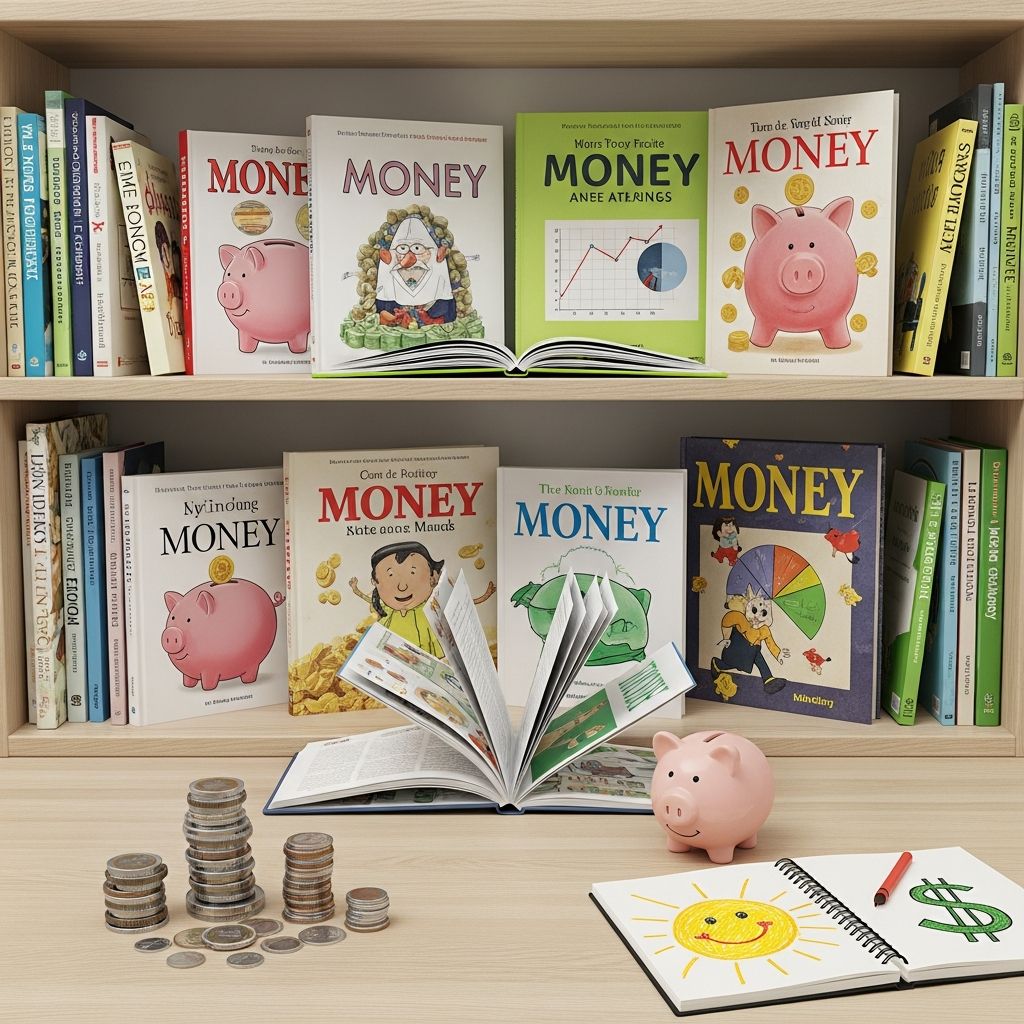
Teaching children about money doesn’t have to be boring. These 17 carefully selected books turn financial concepts like saving, spending, earning, and giving into captivating stories and adventures. Whether your child is a toddler fascinated by coins or a tween dreaming of their first business, there’s a book here to spark their interest in financial literacy. Parents love these titles because they make complex ideas accessible while encouraging discussions about real-world money management.
Financial education starts young. According to a 2019 survey by The Penny Hoarder, adults who learned money basics as kids earned more and saved better than those who didn’t. Books provide a gentle entry point, using humor, illustrations, and relatable characters to demystify budgeting, delayed gratification, and entrepreneurship. We’ve grouped them by age and theme for easy selection, covering everything from piggy banks to stock market basics.
Books for Little Ones (Ages 3-6): Building the Basics
For preschoolers and kindergarteners, focus on tangible concepts like coins, needs vs. wants, and the joy of saving. These colorful picture books use simple language and vibrant art to introduce money as a tool for choices.
- Rock, Brock, and the Savings Shock by Sheila Bair: Twin brothers learn the power of compound interest through a grandpa’s challenge—double your money each week or lose it. With piggy bank races and rhyming text, it shows saving’s magic in weeks. Ideal for teaching exponential growth early.
- If You Made a Million by David M. Schwartz: A whimsical tour of money from pennies to millions, explaining banking, interest, and big numbers. Kids imagine building sandcastles with cash or what a million looks like—fun math meets finance.
- The Berenstain Bears’ Trouble with Money by Stan and Jan Berenstain: Brother and Sister Bear learn spending limits after blowing their cash on junk. A classic lesson in budgeting and earning through chores, with moral without preaching.
- Bunny Money by Rosemary Wells: Max and Ruby’s holiday shopping spree goes awry with impulse buys. Hilarious mishaps teach tracking expenses and wants vs. needs, perfect for holiday discussions.
These books pair well with hands-on activities like play stores or clear jars for saving, as recommended by financial experts. Kids physically handle coins, reinforcing that money buys things but smart choices make it last.
Books for Early Readers (Ages 6-9): Earning and Saving
Once kids grasp basics, introduce earning through work and smarter saving strategies. These stories feature kid entrepreneurs and savers who face real dilemmas.
- The Lemonade War by Jacqueline Davies: Siblings Evan and Jessie turn a lemonade stand ban into a sales battle. Covers competition, pricing, profit calculation, and sibling rivalry—math-heavy with economic lessons.
- Henry Has Dollar One Hundred by Katie Mazur: Henry saves for a scooter but learns about needs first. Simple text and pictures show goal-setting and resisting temptations.
- A Chair for My Mother by Vera B. Williams: After a fire, a girl and mom save coins in a jar for a comfy chair. Heartwarming tale of family saving for big goals and community support.
- Follow the Money! by Loreen Leedy: Coins and bills narrate their journeys from mint to pocket. Teaches production, exchange, and value in an entertaining lifecycle story.
At this age, tie books to real life: set up lemonade stands or savings jars labeled ‘spend, save, share’. Surveys show early earners develop better habits.
Books for Tweens (Ages 9-12): Investing and Giving
Tweens tackle advanced topics like investing, debt, and philanthropy. These chapter books blend adventure with finance pros teach delayed gratification and opportunity cost.
- Rich Kid Smart Kid by Robert Kiyosaki: From ‘Rich Dad Poor Dad’ author, kids learn assets vs. liabilities through games and stories. Introduces investing young.
- The Everything Kids’ Money Book by Kathryn Siegel: Non-fiction guide with quizzes on budgeting, stocks, and jobs. Interactive for self-paced learning.
- Money Ninja by Mary Nhin: A ninja masters money missions on earning, saving, and giving. Fun, illustrated series for reluctant readers.
- Investing for Kids by Dylin Redling and Allison Tom: Explains stocks, funds, and crypto simply. Activities demystify Wall Street.
Discuss stock apps or kid accounts post-reading. Books like these prepare for teen banking transitions.
Why Books Trump Apps for Money Lessons
In a digital world of kid debit cards, physical books and cash teach tangibly. Liz Frazier, author of ‘Beyond Piggy Banks,’ advocates jars over apps first—kids see money grow. Books spark conversations: after ‘Rock, Brock,’ calculate interest together. A Penny Hoarder survey links childhood literacy to adult wealth.
How to Use These Books Effectively
Integrate reading with action:
- Read aloud, pause for questions.
- Recreate plots: lemonade stands, coin sorts.
- Track progress with family charts.
- Discuss: ‘What would you do?’
For 5-year-olds, start with needs/wants games at grocery stores. Clip coupons for saving fun. Never too late—teens benefit too.
Comparison Table: Books by Age and Theme
| Book Title | Age Range | Main Theme | Key Lesson |
|---|---|---|---|
| Rock, Brock, and the Savings Shock | 3-6 | Saving | Compound interest |
| The Lemonade War | 6-9 | Earning | Profit & pricing |
| Investing for Kids | 9-12 | Investing | Stocks basics |
| Bunny Money | 3-6 | Spending | Impulse control |
Frequently Asked Questions (FAQs)
What age should I start reading money books to my kids?
Begin at 3-5 with picture books on coins and saving. Adjust complexity as they grow—surveys show early starts yield better outcomes.
Are these books suitable for non-readers?
Yes, most have vivid illustrations for read-alouds. Pair with props like play money.
How do I make money lessons stick beyond books?
Use jars, chores for allowance, bank visits. Explain transactions positively.
What’s the best first book?
‘Rock, Brock, and the Savings Shock’ for its wow-factor interest demo.
Do these address giving/charity?
Many do, like ‘A Chair for My Mother’ and ninja series, teaching ‘share’ jars.
These FAQs address common parent concerns, boosting SEO for searches like ‘best money books toddlers.’
References
- Why Cash and Piggy Banks Offer the Best Money Lessons for Kids — The Penny Hoarder. 2019. https://www.thepennyhoarder.com/budgeting/money-lessons-for-kids/
- Teaching Kids About Money: 5 Things Your 5-Year-Old Should Know — The Penny Hoarder. Accessed 2026. https://www.thepennyhoarder.com/save-money/teaching-kids-about-money-5-year-old/
- Financial Literacy For Kids in 5 Easy Steps — The Penny Hoarder (YouTube). 2019. https://www.youtube.com/watch?v=oDKkT8C_z7c
- 10 Money Lessons Every Parent Should Teach Their Kids — The Penny Hoarder. Accessed 2026. https://www.thepennyhoarder.com/budgeting/budgeting-for-kids/
- 17 Money Books for Kids in 2022 — AOL (orig. Penny Hoarder). 2022. https://www.aol.com/17-money-books-kids-2022-160001443.html
Similar Articles








Read full bio of medha deb