Monetary Policy: Definition, Types, and Economic Impact
Understanding monetary policy: How central banks control inflation and economic growth through interest rates and money supply.

What is Monetary Policy?
Monetary policy refers to the actions undertaken by a central bank to influence the availability and cost of money and credit, with the ultimate goal of promoting national economic goals. These goals typically include achieving maximum employment, stable prices, and moderate long-term interest rates. Central banks use monetary policy to manage economic growth, control inflation, and stabilize financial markets.
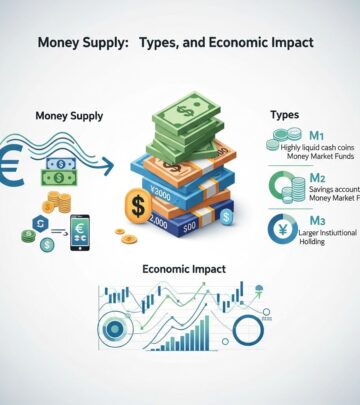
The primary tool of monetary policy is the control of the money supply—the total amount of money circulating in an economy. By adjusting the money supply and interest rates, central banks can influence economic activity. When the economy is sluggish, central banks may increase the money supply to encourage borrowing and spending. Conversely, during inflationary periods, they may reduce the money supply to cool down economic activity.
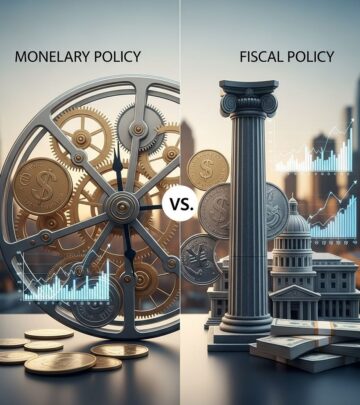
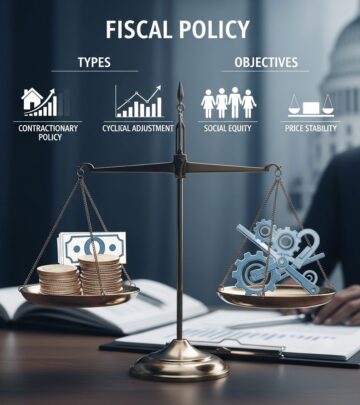
Monetary policy operates alongside fiscal policy, which involves government spending and taxation decisions. While fiscal policy is the direct domain of government authorities, monetary policy is typically managed by independent central banks. This independence is considered crucial for maintaining price stability and preventing political interference in economic management.
Key Objectives of Monetary Policy
Central banks pursue several interconnected objectives through monetary policy:
- Price Stability: Maintaining stable prices and controlling inflation to preserve the purchasing power of money.
- Full Employment: Promoting economic conditions that support maximum employment levels.
- Economic Growth: Supporting sustainable economic expansion and development.
- Interest Rate Stability: Maintaining reasonable levels of interest rates that facilitate lending and investment.
- Financial System Stability: Ensuring the integrity and smooth functioning of the financial system.
Types of Monetary Policy
Expansionary Monetary Policy
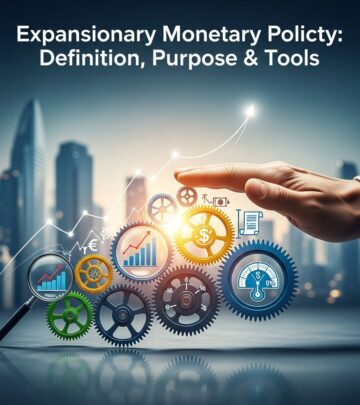
Expansionary monetary policy is implemented when the economy is experiencing sluggish growth, rising unemployment, or deflationary pressures. During these periods, central banks work to increase the money supply and lower interest rates to stimulate economic activity.
Key characteristics of expansionary policy include:
- Lowering the discount rate to make borrowing cheaper for commercial banks
- Purchasing government securities through open market operations to inject money into the economy
- Reducing reserve requirements, allowing banks to lend more capital
- Keeping interest rates at historically low levels
The intention is to encourage consumers and businesses to borrow and spend more, thereby increasing aggregate demand and promoting economic growth. However, if expansionary policy is too aggressive or prolonged, it can lead to excessive inflation and asset bubbles.
Contractionary Monetary Policy
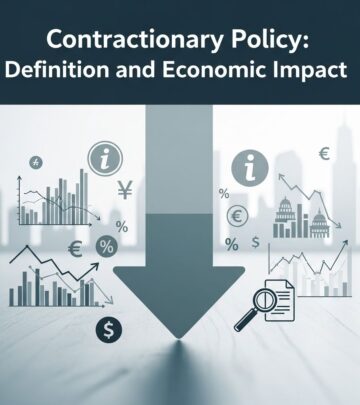
Contractionary monetary policy is employed when the economy is overheating, experiencing excessive inflation, or showing signs of unsustainable growth. Central banks reduce the money supply and raise interest rates to slow down economic activity.
Elements of contractionary policy include:
- Raising the discount rate to make borrowing more expensive
- Selling government securities to withdraw money from the economy
- Increasing reserve requirements, limiting banks’ lending capacity
- Maintaining higher interest rates to discourage borrowing
While contractionary policy can effectively reduce inflation, it may also slow economic growth and increase unemployment if implemented too aggressively. Central banks must carefully balance the need to control inflation with the goal of maintaining employment.
Tools of Monetary Policy
Open Market Operations (OMO)
Open market operations involve the central bank buying and selling government securities in the open market. When the central bank purchases securities, it injects money into the economy, increasing the money supply. When it sells securities, money is withdrawn from the economy, decreasing the money supply. OMO is a primary tool for implementing monetary policy on a day-to-day basis.
Discount Rate Adjustments
The discount rate is the interest rate at which commercial banks can borrow from the central bank’s lending facility (known as the “discount window”). By raising or lowering the discount rate, central banks can influence the cost of borrowing for banks, which in turn affects the rates banks offer to their customers.
Reserve Requirements
Reserve requirements determine the percentage of deposits that commercial banks must hold in reserve rather than lend out. By lowering reserve requirements, central banks allow banks to lend more money, increasing the money supply. Raising reserve requirements has the opposite effect, reducing the money supply.
Quantitative Easing (QE)
Quantitative easing is an unconventional monetary policy tool employed when interest rates are already near zero and traditional policy tools are insufficient. Under QE, central banks purchase large quantities of financial assets—such as government bonds and mortgage-backed securities—to inject substantial amounts of money into the economy and lower long-term interest rates.
Forward Guidance
Forward guidance involves central bank communications about future policy intentions. By clearly signaling their intended path for interest rates and monetary policy, central banks can influence market expectations and economic behavior even before implementing policy changes.
How Monetary Policy Affects Interest Rates
Interest rates are perhaps the most visible mechanism through which monetary policy influences the economy. The central bank’s policy rate—often called the federal funds rate in the United States—serves as a benchmark for other interest rates throughout the economy.
When the central bank lowers its policy rate, it becomes cheaper for banks to borrow money, which typically leads to lower rates for consumers and businesses. Lower interest rates encourage borrowing and investment, stimulating economic activity. Conversely, when the central bank raises its policy rate, borrowing becomes more expensive, which can cool down excessive economic activity and inflation.
The relationship between monetary policy and interest rates is not instantaneous. It typically takes several months for the full effects of interest rate changes to ripple through the economy as businesses and consumers adjust their borrowing and spending decisions.
The Impact of Monetary Policy on Inflation
Controlling inflation is one of the primary responsibilities of modern central banks. Inflation erodes purchasing power and can create economic uncertainty, so maintaining price stability is crucial for long-term economic health.
Monetary policy affects inflation through several channels:
- Money Supply Growth: Rapid growth in the money supply can lead to too much money chasing too few goods, resulting in inflation.
- Interest Rates: Lower interest rates encourage spending and borrowing, potentially increasing inflation. Higher rates discourage spending, helping to control inflation.
- Expectations: If people expect inflation to rise, they may increase their spending now to avoid higher future prices, potentially creating a self-fulfilling prophecy.
- Exchange Rates: Monetary policy affects exchange rates, which in turn influence import and export prices, impacting overall inflation.
Central Banks and Their Roles
Major central banks around the world include the Federal Reserve in the United States, the European Central Bank, the Bank of England, and the Bank of Japan. Each operates within its own economic and political context but pursues similar objectives: price stability, maximum employment, and moderate long-term interest rates.
Central banks typically operate with a degree of independence from political pressure, allowing them to make decisions based on economic conditions rather than short-term political considerations. This independence is widely considered essential for effective monetary policy, as it protects policy decisions from being hijacked for political purposes.
Limitations and Challenges of Monetary Policy
While monetary policy is a powerful economic tool, it has important limitations:
- The Zero Lower Bound Problem: When interest rates approach zero, central banks cannot lower them further, limiting the effectiveness of expansionary policy during severe recessions.
- Time Lags: The effects of monetary policy changes take time to work through the economy, making it difficult to fine-tune economic activity precisely.
- Unpredictable Effects: The relationship between monetary policy and economic outcomes can vary depending on economic conditions and expectations.
- Asset Bubbles: Prolonged expansionary policies can inflate asset prices and create speculative bubbles.
- Income Inequality: Monetary policy can have differential impacts on different segments of the population, potentially affecting wealth distribution.
Frequently Asked Questions
Q: What is the difference between monetary policy and fiscal policy?
A: Monetary policy involves central bank actions to control the money supply and interest rates, while fiscal policy involves government decisions on taxation and spending. Monetary policy is typically independent, while fiscal policy is under direct government control.
Q: How does quantitative easing work?
A: Quantitative easing involves central banks purchasing large quantities of financial assets to inject money into the economy and lower long-term interest rates when traditional policy tools are insufficient, particularly when interest rates are already near zero.
Q: Why do central banks raise interest rates?
A: Central banks raise interest rates primarily to control inflation and prevent the economy from overheating. Higher rates make borrowing more expensive, which reduces spending and investment, helping to cool down excessive economic activity.
Q: What happens when monetary policy is too expansionary?
A: Overly expansionary monetary policy can lead to high inflation, asset bubbles, and financial instability. Excessive money supply growth without corresponding economic growth typically results in rising prices for goods and services.
Q: How long does it take for monetary policy to affect the economy?
A: Monetary policy typically takes 6 to 18 months to have significant effects on the economy. Interest rate changes may be felt quickly in financial markets, but broader economic impacts take longer to materialize.
Q: Can monetary policy guarantee economic stability?
A: While monetary policy is an important tool, it cannot guarantee economic stability on its own. External shocks, fiscal policy decisions, and structural economic factors all influence overall economic conditions. Effective monetary policy works best in conjunction with sound fiscal and regulatory policies.
References
- Monetary Policy — Board of Governors of the Federal Reserve System. 2025. https://www.federalreserve.gov/monetarypolicy.htm
- What is Monetary Policy and How Does It Work? — International Monetary Fund (IMF). 2024. https://www.imf.org/external/pubs/ft/fandd/2017/12/basics.htm
- Monetary Policy Tools — Board of Governors of the Federal Reserve System. 2025. https://www.federalreserve.gov/monetarypolicy/openmarket.htm
- Understanding Quantitative Easing — European Central Bank. 2024. https://www.ecb.europa.eu/mopo/implement/omt/html/index.en.html
- The Transmission of Monetary Policy — Bank for International Settlements. 2024. https://www.bis.org/publ/qtrpdf/r_qt2401.htm
- Inflation and Monetary Policy — Organisation for Economic Co-operation and Development (OECD). 2024. https://www.oecd.org/finance/monetary-policy/
Similar Articles








Read full bio of Sneha Tete