Monarch Money Financial Management Platform Guide
Comprehensive overview of modern personal finance management tools and features
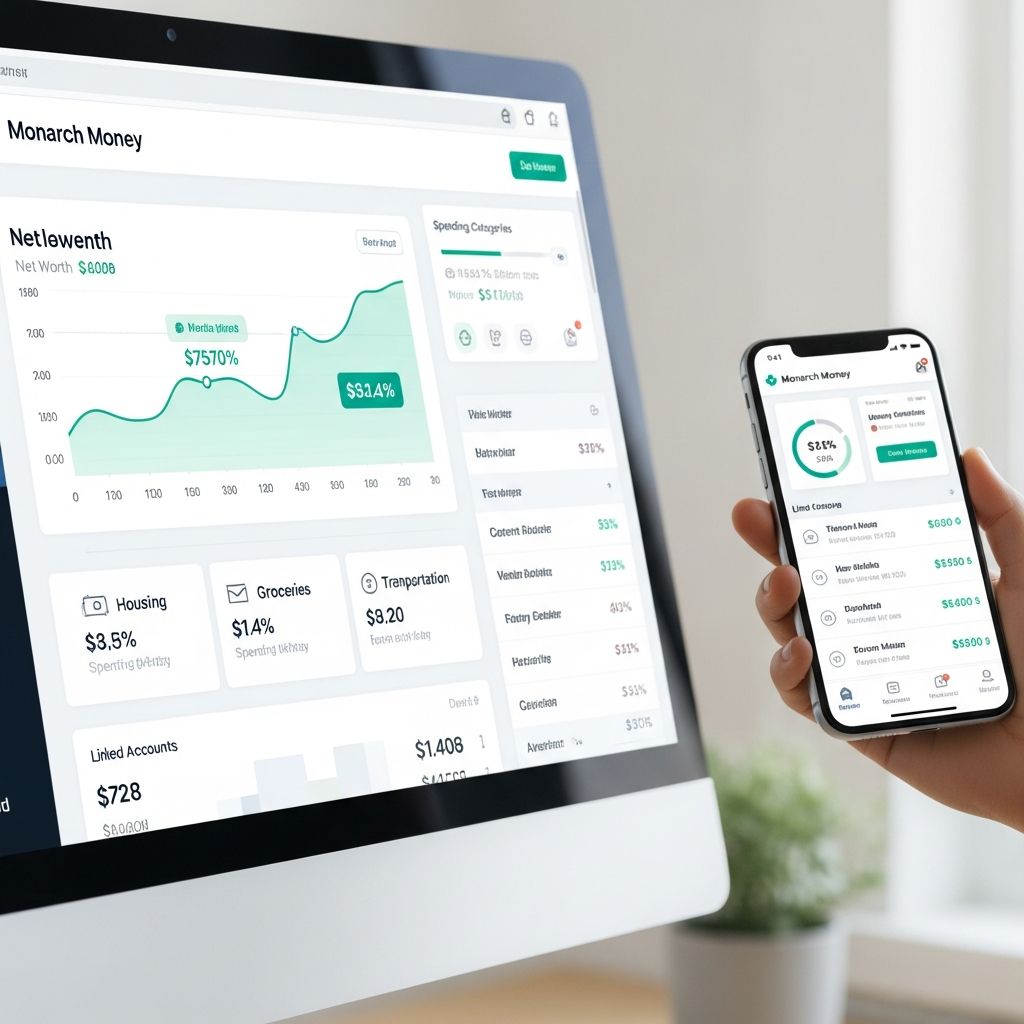
Managing personal finances has evolved significantly over the past decade. Where individuals once relied on spreadsheets and multiple disconnected applications, today’s digital landscape offers comprehensive platforms designed to consolidate all financial activities into unified dashboards. These modern solutions address a fundamental challenge: the difficulty of obtaining a complete financial picture when accounts, investments, and spending are scattered across different institutions and tools.
A well-designed financial management platform serves as a central hub where users can monitor their entire financial ecosystem. This integration extends beyond simple transaction tracking to include budgeting capabilities, investment oversight, net worth monitoring, and collaborative features for households managing money together. The goal is to reduce friction in financial decision-making while providing actionable insights based on real-time data.
Core Functionalities of Comprehensive Finance Platforms
Modern financial management systems typically offer several interconnected features that work together to provide holistic financial visibility:
- Dashboard Customization: Users can arrange and prioritize information according to their specific needs, displaying the metrics that matter most to their financial situation.
- Multi-Account Aggregation: The platform connects to bank accounts, investment portfolios, credit cards, and loans, pulling transaction data automatically to eliminate manual entry.
- Transaction Categorization: Spending is automatically sorted into customizable categories, allowing users to understand where their money goes each month.
- Net Worth Tracking: By monitoring both assets and liabilities across all accounts, users gain clarity on their overall financial position and how it changes over time.
- Investment Monitoring: Portfolio tracking features display holdings, performance metrics, and allocation percentages across investment accounts.
- Budgeting Flexibility: Users establish spending limits within different categories and receive alerts when approaching or exceeding thresholds.
- Goal Setting and Monitoring: The platform distinguishes between debt payoff goals and savings goals, tracking progress toward each objective.
- Household Collaboration Tools: Married couples and partners can share views of household finances, discuss spending patterns, and work toward common financial objectives.
The Importance of Data Security and Privacy
When consolidating financial information into a single platform, data security becomes paramount. Users rightfully expect that sensitive financial details receive robust protection. Reputable financial platforms employ multiple layers of security including encryption, secure authentication protocols, and regular security audits. Additionally, users should verify that the platform commits to not selling personal data or using financial information to market financial products.
The distinction between ad-supported and paid platforms carries implications for data privacy. Free services often monetize user data or display advertisements, while subscription-based platforms generate revenue directly from users. This structural difference affects how platforms treat user information and what advertising exposure users experience within the application.
Budgeting Approaches and Flexibility
Different users have different preferences for how they structure their budgeting process. Some individuals prefer organizing their budget around a calendar month, while others align budgeting cycles with their paycheck schedule. Advanced platforms recognize these variations and offer flexibility in how users approach budget creation and monitoring.
Beyond simple spending limits, sophisticated budgeting tools provide insights into spending patterns. Monthly reports summarize top spending categories, display cash flow trends, and illustrate changes in net worth. These retrospective analyses help users understand their spending behavior and identify areas where they might adjust their habits or financial priorities.
Collaborative Money Management for Couples and Families
One of the most valuable applications of comprehensive financial platforms is facilitating productive conversations between partners about money. Shared financial visibility can reduce tension around spending and help couples align on financial priorities. Rather than one partner making financial decisions in isolation, both parties can see the complete household picture and discuss major expenses collaboratively.
Shared dashboards display household spending, combined net worth, and progress toward shared financial goals. Credit score monitoring can include both partners, allowing couples to track how financial decisions affect their collective creditworthiness. This transparency, when coupled with regular money conversations, transforms the platform from a tracking tool into a communication facilitator.
Artificial Intelligence in Personal Finance
Recent developments in artificial intelligence have introduced new capabilities to financial management platforms. AI assistants can analyze transaction data to identify spending patterns, answer questions about specific expenses, and provide strategic advice for financial moves like debt repayment strategies. Rather than merely reporting historical data, these tools help users understand the implications of their financial habits.
The effectiveness of AI-powered insights depends on the quality of underlying data. Platforms with comprehensive account aggregation and accurate transaction categorization can provide more sophisticated and relevant recommendations. A personal finance AI assistant essentially acts as an automated financial analyst, processing large amounts of transaction data to surface trends that might not be obvious to the user.
Platform Accessibility and Device Compatibility
Modern users expect financial tools to be accessible across multiple devices. Comprehensive financial platforms typically offer web-based interfaces alongside mobile applications for iOS and Android. This multi-platform approach ensures users can check their finances from home computers, tablets, or smartphones while maintaining consistent data across all devices.
The quality of mobile applications significantly impacts user experience, particularly for features like receipt scanning and transaction verification. Well-designed mobile interfaces allow users to stay updated on their financial status throughout the day without requiring desktop access.
Pricing Models and Value Consideration
Financial management platforms employ various pricing strategies. Subscription models typically charge annual fees, providing a straightforward cost structure. These annual costs represent an investment in financial organization and insights. Users must evaluate whether the benefits—consolidated financial visibility, collaborative tools, automated tracking, and AI-powered insights—justify the annual subscription expense relative to free alternatives or manual spreadsheet management.
The cost-benefit analysis varies by individual circumstances. Users managing complex financial situations with multiple accounts, investments, and household collaborators typically gain more value from comprehensive platforms than those with simpler financial lives. Similarly, couples who previously struggled to align on financial matters may find the collaboration features particularly valuable.
Ideal Use Cases and User Profiles
Primary beneficiaries of comprehensive financial platforms include:
- Married couples or partners seeking to manage household finances collaboratively and reduce friction around money discussions
- Individuals with multiple bank accounts, investment accounts, and credit cards who need consolidated visibility
- Users who prefer regular but not constant financial monitoring, checking their finances periodically rather than obsessively
- People who value clean, ad-free digital experiences and privacy protection
- Those who appreciate data-driven insights without pressure to purchase additional financial services
- Households with complex financial situations including investments, property, and varied income sources
Potential Limitations and Considerations
While comprehensive financial platforms offer significant advantages, certain users may find them less suitable for their needs. Some individuals prefer budgeting approaches organized around paycheck cycles rather than calendar months, and platforms limited to monthly budgeting structures may not accommodate this preference optimally.
The breadth of features available in comprehensive platforms can feel overwhelming initially. Users accustomed to simpler, more focused tools may experience a learning curve when first exploring the full range of capabilities. However, this initial complexity typically translates to more powerful functionality once users become familiar with the interface.
Additionally, users primarily focused on specific financial tasks—such as investment-only tracking or simple expense categorization—might find that comprehensive platforms include unnecessary features they never use, making simpler specialized tools more appropriate.
Real-World Application and Long-Term Value
The true value of financial management platforms emerges through consistent, long-term use. Users who regularly review their financial dashboards, analyze spending reports, and act on insights derive maximum benefit. Over extended periods, comprehensive data collection enables increasingly accurate financial analysis and more sophisticated AI-powered recommendations.
For couples, the accumulated benefit extends beyond financial metrics. Regular engagement with shared financial dashboards and collaborative goal tracking contributes to reduced money-related stress and more productive financial conversations. The platform essentially provides a framework for ongoing financial communication and alignment.
Users who have maintained consistent engagement with financial management platforms for extended periods consistently report that the consolidated view of their financial life, combined with automated tracking and actionable insights, justifies the investment. The ability to make financial decisions based on complete information rather than fragments of data often leads to better outcomes and reduced financial anxiety.
Choosing the Right Financial Management Solution
Selecting an appropriate financial platform requires evaluating personal priorities. Users should consider whether their primary needs involve budgeting, investment tracking, household collaboration, or some combination. The ideal platform should offer robust security, maintain user privacy, and provide features aligned with specific financial management goals.
Prospective users should assess whether the platform’s budgeting structure matches their preferences, whether the collaboration tools meet household needs, and whether the user interface feels intuitive. Trial periods or free initial access periods can help users evaluate whether a platform matches their expectations before committing financially.
Ultimately, the best financial management platform for any individual depends on their specific financial situation, preferences for financial organization, household composition, and the value they place on consolidated visibility and automated insights. Those managing complex household finances with partners often find comprehensive platforms particularly beneficial, while simpler situations may not justify the investment.
References
- Monarch Money Review 2026: Pros and Cons After 3 Years — Marriage, Kids and Money. 2026. https://marriagekidsandmoney.com/monarch-money-review/
- I Used Monarch Money for 30 Days: Here’s What Happened — NerdWallet. 2026. https://www.nerdwallet.com/finance/learn/monarch-money-app-review
Similar Articles








Read full bio of medha deb