Mom and Pop: Definition, Examples, and Business Impact
Understanding family-owned businesses: Definition, characteristics, and community impact.
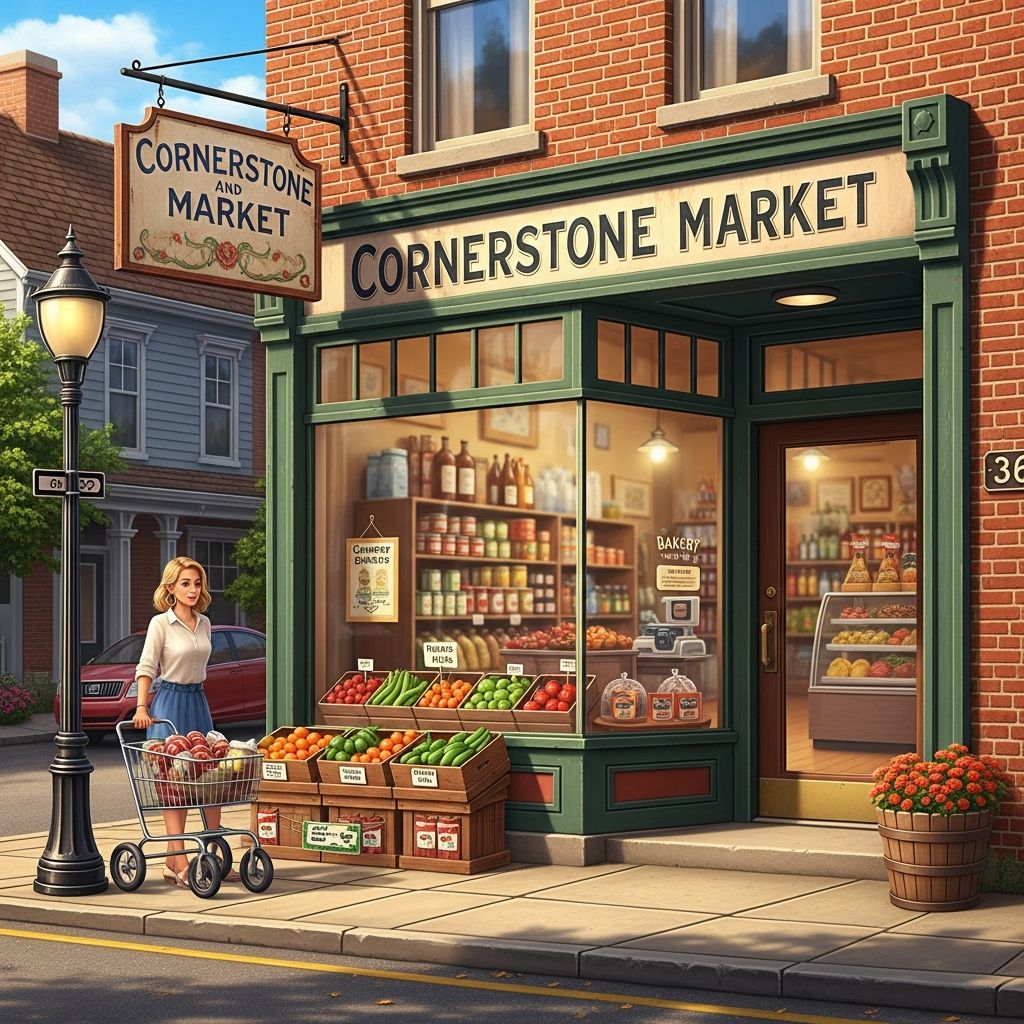
The term “mom and pop” refers to small, family-owned and family-operated businesses that serve as the backbone of local communities across America. These independent enterprises operate with limited capital investment, handle modest business volumes, and maintain minimal staff compared to large corporations. Unlike franchised operations or multi-location chains, mom and pop shops typically operate from a single location and focus on building strong relationships with their local customer base. The businesses are often structured as partnerships, limited liability companies, or S corporations, providing owners with personal liability protection while maintaining operational flexibility.
Understanding Mom and Pop Businesses
Mom and pop shops represent a distinctive business model characterized by personal ownership, community focus, and operational independence. These enterprises are found across nearly every industry—from restaurants and retail stores to repair services and professional offices. The defining characteristics of a mom and pop business include family management, single-location operations, personalized customer service, and deep community integration.
The U.S. Small Business Administration (SBA) defines small businesses using specific size standards based on industry classification codes, with definitions ranging from $1 million to over $40 million in annual revenue and employment figures from 100 to over 1,500 employees. However, mom and pop businesses typically fall at the lower end of these thresholds, representing the smallest segment of independent commerce.
Key Characteristics of Mom and Pop Shops
Several defining features distinguish mom and pop businesses from larger corporate entities:
- Family Ownership and Control: Operated and managed by family members who make strategic decisions collaboratively and intuitively
- Limited Capital Investment: Started with modest financial resources and reinvested profits rather than external funding
- Single Location Operations: Typically serve a specific geographic area or neighborhood rather than maintaining multiple sites
- Personalized Service: Offer customer relationships built on familiarity, trust, and individual attention
- Local Sourcing: Often utilize local suppliers and vendors, strengthening community economic networks
- Community Integration: Actively participate in local events, sponsor youth activities, and support charitable causes
Common Types of Mom and Pop Shops
Mom and pop businesses span diverse industries and service sectors. Understanding these common categories helps illustrate the variety and importance of family-owned enterprises:
Restaurants and Food Services: Family-run diners, restaurants, coffee shops, and bakeries represent some of the most recognizable mom and pop establishments. These businesses often feature homemade meals prepared using traditional recipes, personalized dining experiences, and direct relationships with regular customers. Many source ingredients locally, supporting nearby farmers while ensuring menu freshness and quality.
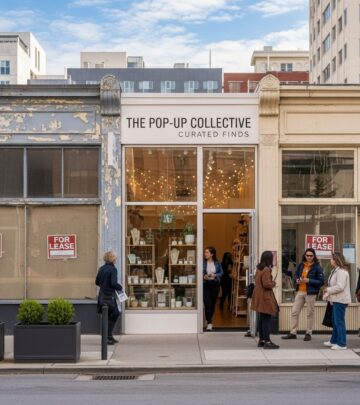
Retail Businesses: Independent bookstores, clothing boutiques, toy shops, and specialty retailers provide curated product selections that reflect community preferences and cultural diversity. These stores offer unique merchandise unavailable in large chain retailers, allowing customers to discover one-of-a-kind items with character and authenticity.
Service Providers: Barbershops, hair salons, automotive repair centers, plumbing services, and home maintenance businesses deliver specialized expertise and personalized attention. Service-based mom and pop operations thrive on reputation and word-of-mouth recommendations from satisfied customers.
Professional Services: Independent accounting firms, legal practices, consulting businesses, and medical offices operated by individual practitioners represent professional mom and pop enterprises that provide specialized expertise to their communities.
Historical Significance and Evolution
The tradition of mom and pop shops extends deep into American commercial history. In 1939, Rick and Margie Segel established National Mom and Pop Business Owners Day, celebrated annually on March 29, honoring their parents’ hat shop that opened that year. These family-run establishments became integral to American communities, providing essential goods and services before the rise of large corporations and big-box retailers.
Historically, the term specifically referred to family-owned drug stores, general stores, hardware stores, and grocery shops that served as community gathering places and trusted sources for everyday necessities. Over time, the definition has expanded to encompass any small, independently-owned business operated by family members, reflecting the evolution of commerce and the persistence of family enterprise models.
The landscape shifted dramatically over the past four decades as mega-retailers like Walmart expanded their market presence, leveraging purchasing power and volume discounts that smaller operators cannot match. Despite these competitive pressures, mom and pop businesses have adapted and thrived, finding success through specialization, personalization, and community connection—qualities that large retailers struggle to replicate.
Economic Impact and Community Contribution
Mom and pop shops generate substantial economic benefits for their local communities and broader economies. Research demonstrates that when consumers spend money at small businesses, a significantly higher percentage remains within the local economy compared to spending at large chain retailers. Specifically, approximately 67 cents of every dollar spent at a small business stays in the local community, compared to only 40 cents when shopping at larger businesses.
These businesses create meaningful employment opportunities, particularly for family members and local residents. Beyond direct employment, mom and pop shops stimulate economic activity by purchasing supplies from local vendors, utilizing local services, and contributing to commercial real estate activity.
Community and Social Benefits
The benefits of mom and pop businesses extend far beyond economic metrics:
- Job Creation: Generate employment for family members and local community members
- Community Character: Create distinct personality and identity for neighborhoods through unique products and services
- Charitable Support: Provide disproportionately higher support to nonprofits, schools, and community events—averaging 250% more than large chain stores
- Tourism Enhancement: Attract visitors seeking authentic, local experiences and unique retail destinations
- Environmental Benefits: Reduce carbon footprints through local sourcing and proximity, minimizing transportation distances
- Cultural Preservation: Reflect immigrant backgrounds and cultural diversity, enriching community fabric
The Customer Experience Advantage
One of the most distinctive advantages of mom and pop shops is the superior customer experience they provide compared to large corporate retailers. These businesses prioritize personal relationships over transaction volume, allowing owners to remember regular customers’ preferences, special requests, and purchase histories.
Mom and pop business owners invest heavily in customer retention through loyalty programs, special discounts, and personalized recommendations. Coffee shop owners remember customers’ usual orders, bookstore proprietors recommend titles based on individual reading preferences, and restaurant staff treat patrons as valued neighbors rather than anonymous transactions.
This personal touch creates customer loyalty that transcends price competition. Consumers often willingly pay premium prices for products and services from mom and pop businesses because the value extends beyond the commodity itself to include relationship, expertise, and community connection.
Supporting Mom and Pop Businesses
Communities and individuals can actively support mom and pop enterprises through various strategies and initiatives:
Conscious Consumer Choices: Deliberately shopping at local family-owned businesses rather than chain retailers redirects consumer spending toward community benefit. Joining Small Business Saturday campaigns and participating in local business promotion initiatives amplifies this impact.
Social Media Advocacy: Following, liking, and sharing mom and pop business social media content increases visibility and reaches potential customers through digital networks. Positive reviews and word-of-mouth recommendations significantly influence consumer behavior and business success.
Community Engagement: Attending local business events, participating in community gatherings hosted by mom and pop shops, and supporting business owner initiatives strengthens local commercial ecosystems.
Loyalty Programs: Taking advantage of special loyalty programs and discount offerings rewards businesses for their commitment to customer retention and personal service.
Business Structure and Legal Considerations
Mom and pop shops typically organize using specific legal structures that provide operational flexibility and personal liability protection. Many operate as limited liability companies (LLCs), which shield owners from personal responsibility for business debts and obligations. This structure is particularly valuable for small business owners managing financial risks.
Alternative structures include partnerships, where family members share ownership and management responsibilities, and S corporations, which offer tax advantages while maintaining liability protection. The choice of business structure depends on factors including ownership configuration, tax considerations, operational complexity, and liability exposure.
Challenges and Competitive Pressures
Mom and pop businesses face ongoing competitive challenges from large retailers with superior purchasing power, extensive marketing budgets, and operational efficiency advantages. Big-box retailers can offer lower prices through volume purchasing, sophisticated supply chain management, and economies of scale that individual family-owned businesses cannot replicate.
Internet commerce and e-commerce platforms have further complicated the landscape, requiring mom and pop businesses to develop digital presence and adapt to changing consumer shopping behaviors. Many small businesses lack resources for sophisticated web development, digital marketing, and online fulfillment operations that larger competitors deploy effectively.
Despite these headwinds, mom and pop businesses continue operating successfully by focusing on niches where personal service, specialized expertise, and community connection provide competitive advantages that discount retailers cannot undercut.
Frequently Asked Questions
Q: What exactly defines a mom and pop business?
A: A mom and pop business is a small, family-owned and operated enterprise that typically operates from a single location, maintains limited staff, and focuses on personalized customer service and community relationships rather than corporate expansion or franchise models.
Q: How do mom and pop shops differ from franchise businesses?
A: Mom and pop businesses are independently owned and operated by family members, whereas franchises follow corporate systems and standards. Franchisees pay fees to corporations for brand use and operational guidelines, while mom and pop owners maintain complete autonomy in business decisions and operations.
Q: What percentage of revenue remains in the local community when shopping at mom and pop businesses?
A: Approximately 67 cents of every dollar spent at small family-owned businesses remains in the local community, compared to only 40 cents when shopping at large chain retailers.
Q: Why is supporting mom and pop shops important?
A: Mom and pop shops create jobs, contribute disproportionately to community causes, preserve neighborhood character, provide personalized service, offer unique products, reduce environmental impact through local sourcing, and strengthen community relationships.
Q: When is National Mom and Pop Business Owners Day celebrated?
A: National Mom and Pop Business Owners Day is celebrated annually on March 29, commemorating the opening of Rick and Margie Segel’s parents’ hat shop in 1939.
Q: What business structures do mom and pop shops typically use?
A: Mom and pop businesses commonly organize as limited liability companies (LLCs), partnerships, or S corporations, structures that provide personal liability protection while maintaining operational flexibility for family-owned enterprises.
Conclusion
Mom and pop businesses represent essential components of American commerce, embodying values of family enterprise, community connection, and personalized service. These family-owned operations create employment, support local economies, contribute to charitable causes, and provide unique products and services that reflect community character and cultural diversity.
While facing competitive pressures from large retailers and digital commerce, mom and pop shops continue thriving by emphasizing relationships, expertise, and community integration—qualities that corporate retailers struggle to replicate. Supporting these businesses through conscious consumer choices, community engagement, and advocacy strengthens local economies and preserves the distinctive character of neighborhoods across America.
References
- Mom and Pop Business Owners Day: March 29, 2024 — U.S. Census Bureau. 2024. https://www.census.gov/newsroom/stories/mom-and-pop-business-owners-day.html
- Why Mom and Pop Shops Matter – The Heart of Local Business — Hiscox. 2024. https://www.hiscox.com/blog/mom-and-pop-shops-in-communities
- What Are Mom and Pop Shops? 7 Ways To Support Them — The Hartford Small Business Hub. 2024. https://sba.thehartford.com/business-management/small-biz-owner/mom-and-pop-businesses/
- How You Can Support Mom and Pop Businesses All Year Long — U.S. Small Business Administration. 2024. https://www.sba.gov/blog/how-you-can-support-mom-pop-businesses-all-year-long
- Mom Pop Shop – On-Hold Marketing Inc. — On-Hold Marketing. 2024. https://www.onhold.on.ca/mom-pop-business/
- Mom-and-pop stores – Hawaiian Studies — Fiveable. 2024. https://fiveable.me/key-terms/hs-hawaiian-studies/mom-and-pop-stores
Similar Articles








Read full bio of Sneha Tete