Modern Prefabricated Homes: A Guide to Contemporary Construction
Discover how factory-built homes are revolutionizing residential construction with speed, sustainability, and savings.
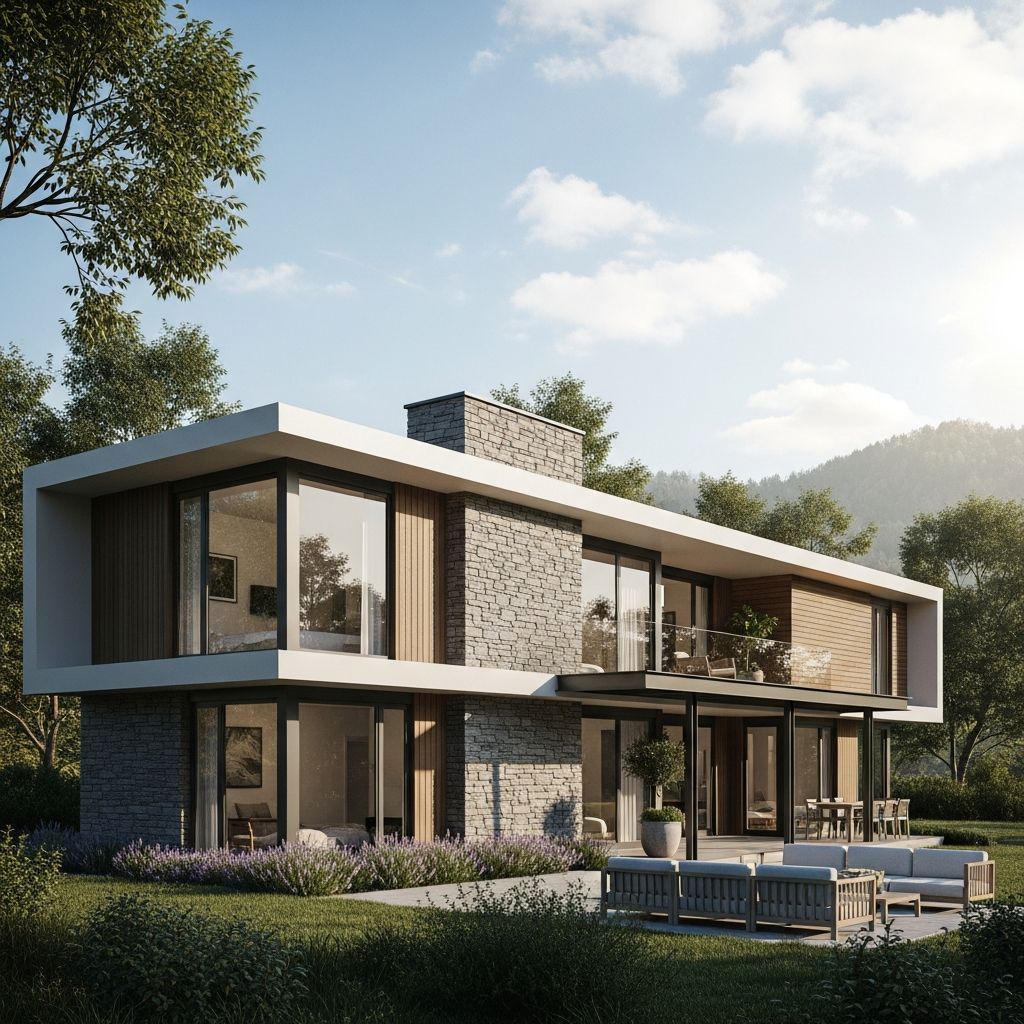
The housing market continues to evolve, and one of the most significant trends reshaping residential construction is the rise of prefabricated, or modular, homes. Once perceived as low-quality alternatives to traditional construction, today’s prefab homes represent a sophisticated approach to building that combines efficiency, sustainability, and modern design. Whether you’re a first-time homebuyer, an investor, or someone seeking a sustainable living solution, understanding the landscape of prefabricated housing can open new possibilities for your housing needs.
Understanding Prefabricated Home Construction
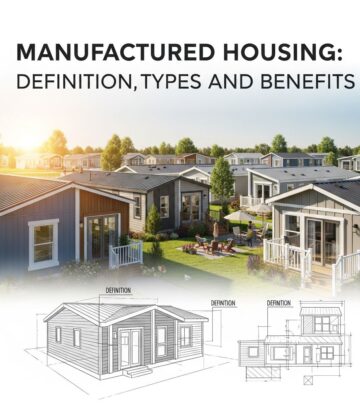
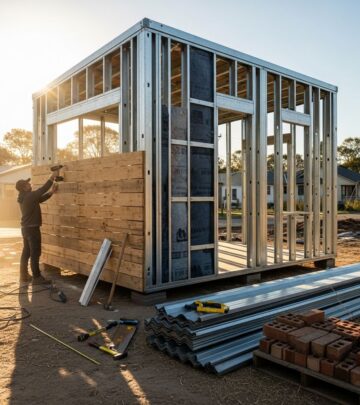
Prefabricated homes are built primarily in factory settings where major components—walls, roofs, floors, and sometimes entire room modules—are manufactured under controlled conditions. Once construction is complete, these components are transported to the building site and assembled on a prepared foundation. This method differs fundamentally from traditional site-built construction, where most work occurs on-location and is subject to weather, seasonal variations, and other environmental factors.
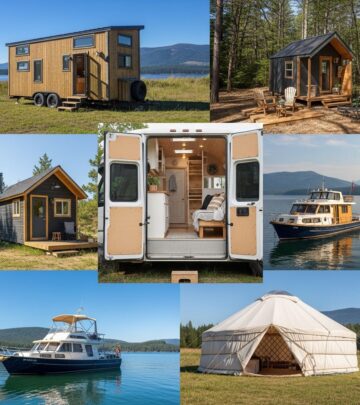
The distinction between prefab homes and mobile homes is crucial. While mobile homes are designed for permanent or semi-permanent placement on wheels, prefabricated homes are constructed to meet the same building codes and standards as traditional homes. They are installed on permanent foundations and are indistinguishable from conventionally built residences in terms of structural integrity and longevity.
Time Efficiency and Rapid Occupancy
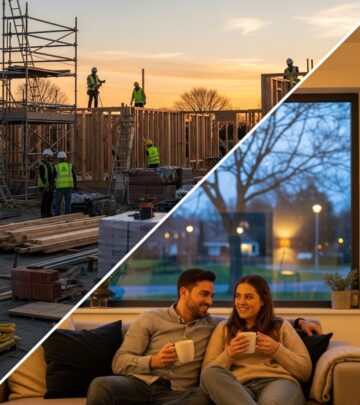
One of the most compelling advantages of prefabricated construction is the dramatically reduced timeline from purchase to move-in. Traditional home construction typically requires six to twelve months or longer, with numerous variables affecting the schedule. Prefabricated homes, by contrast, can be completed in approximately eight months total, including both factory manufacturing and on-site assembly.
The speed advantage stems from several factors:
- Parallel Processing: While your foundation is being prepared and permits are being obtained, your home is simultaneously being manufactured in the factory
- Weather Independence: Factory construction eliminates delays caused by rain, snow, extreme temperatures, and other weather conditions that can halt traditional construction
- Rapid Assembly: On-site installation of prefabricated modules can be completed in as few as weeks, rather than months
- Reduced Labor Duration: Fewer days with on-site workers means less coordination complexity and fewer scheduling conflicts
Financial Benefits and Cost Predictability
Financial considerations are paramount when deciding on a home purchase or construction method. Prefabricated homes typically cost 10 to 20 percent less than comparable traditionally built homes. This cost reduction emerges from several sources within the manufacturing process.
Factory-based production optimizes labor efficiency and material usage. Workers in controlled environments can operate with greater precision, reducing waste and the need for rework. Material handling in factories allows for better inventory management, minimizing spoilage and waste. Additionally, the standardized nature of prefab construction reduces the likelihood of costly errors that require expensive corrections.
Beyond the initial purchase price, prefabricated homes offer superior cost predictability. Unlike traditional construction, where unexpected site conditions, design changes, or labor complications can inflate budgets unexpectedly, prefab construction involves fixed pricing determined at the outset. You know the cost before construction begins, enabling more confident financial planning.
Environmental Sustainability and Energy Performance
Modern environmental consciousness has become a driving force in housing decisions. Prefabricated homes excel in this dimension, offering inherent sustainability advantages that benefit both the environment and your utility bills.
The manufacturing process itself is more environmentally efficient. Precise measurements and optimized cutting processes in factory settings generate significantly less material waste than traditional construction, where excess materials are often discarded. Many manufacturers reuse excess materials for other projects, maximizing resource efficiency.
Energy performance represents another substantial advantage. Factory construction allows for meticulous installation of insulation, sealing, and weatherproofing systems under ideal conditions. The resulting homes feature:
- Airtight building envelopes that minimize uncontrolled air leakage
- High-performance insulation installed with precision and consistency
- Triple-glazed or high-performance windows that reduce thermal transfer
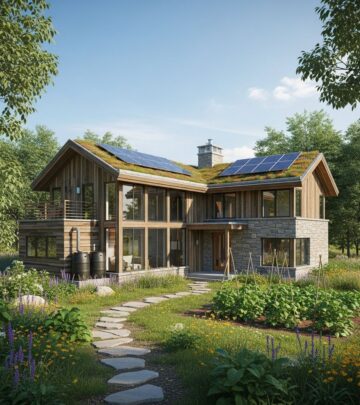
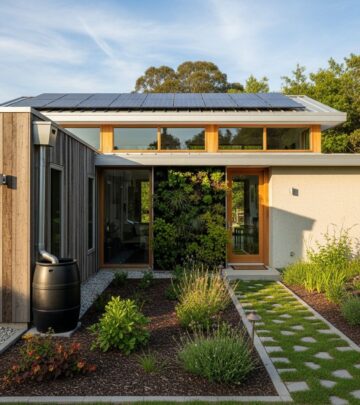
- Compatibility with renewable energy systems such as solar panels and heat pumps
These features translate into tangible benefits: lower monthly utility costs, reduced carbon footprint, and increased comfort through improved temperature regulation. Homes built with such precision often outperform traditional constructions in independent thermal testing.
Quality Control and Structural Integrity
A persistent misconception suggests that prefabricated homes sacrifice quality for speed and cost. The reality is substantially different. Factory construction environments enable more rigorous quality control than site-built alternatives.
Traditional construction quality varies based on contractor skill, material handling on-site, weather exposure, and inspection consistency. In contrast, prefabricated homes undergo standardized manufacturing processes with:
- Precise measurements and cuts verified through multiple checkpoints
- Consistent material storage and handling protocols
- Thorough inspections conducted throughout the manufacturing process before shipping
- Factory workers trained in specialized techniques for their specific tasks
All modular homes must meet or exceed the same International Residential Code (IRC) building codes as traditionally constructed homes. Many exceed these standards in terms of energy efficiency and structural strength. The controlled environment actually facilitates superior structural performance compared to weather-exposed site construction.
Design Flexibility and Personalization
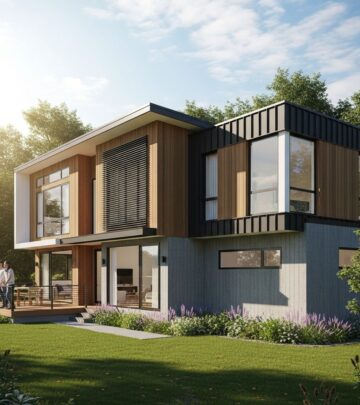
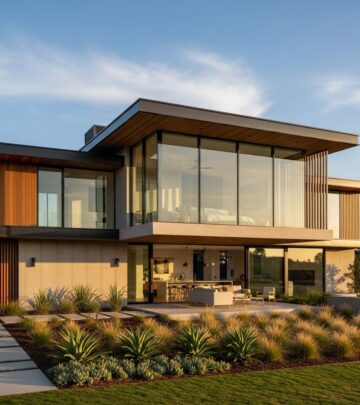
Another outdated misconception portrays prefab homes as cookie-cutter designs lacking personality or individuality. Contemporary prefabricated construction offers substantial customization options that rival traditional home building.
Modern buyers can select from an array of choices:
- Multiple floor plans and modular configurations
- Interior finishes, from flooring to cabinetry
- Exterior siding and roofing materials
- Window styles and configurations
- Smart home technology integration
- Specialized materials and design elements
Unlike traditional construction where modifications can extend timelines and escalate costs, prefab customization occurs during the design phase. This approach ensures you know exactly what to expect, understand the final cost, and can plan accordingly. For buyers with specific architectural visions, manufacturers can often accommodate special requests, though these may incur additional costs and delivery delays.
Considerations and Potential Challenges
While prefabricated homes offer substantial advantages, prospective buyers should understand potential limitations and planning requirements.
Site-Specific Requirements: Not all building sites accommodate prefabricated homes equally. Foundation specifications, utility connection regulations, and local zoning restrictions may require advance coordination. These issues are typically manageable but demand early planning.
Financing Considerations: Some traditional lenders remain less familiar with modular construction financing. While this landscape is rapidly improving, confirming lender comfort with prefab mortgages is advisable during your planning phase.
Resale Value: Historical concerns about prefab resale value have diminished as quality has improved and market perception has shifted. Well-constructed and well-maintained prefab homes hold value comparable to traditional homes, particularly when paired with strong curb appeal and quality finishes.
Comparing Prefab and Traditional Construction
| Factor | Prefabricated Homes | Traditional Construction |
|---|---|---|
| Construction Timeline | Approximately 8 months total | 12-18+ months typical |
| Cost | 10-20% lower average | Higher baseline cost |
| Cost Predictability | Fixed pricing determined upfront | Subject to change orders and overruns |
| Energy Efficiency | Typically superior due to precision manufacturing | Varies by builder and conditions |
| Customization | Substantial, but designed upfront | Flexible, but costly to modify mid-construction |
| Quality Control | Consistent, factory-based standards | Variable, site-dependent conditions |
| Weather Delays | None; factory-built | Possible; construction site-exposed |
| Material Waste | Minimal; optimized production | Typically higher waste rates |
Frequently Asked Questions About Prefab Homes
Are prefabricated homes as durable as traditionally built homes?
Yes. Prefab homes meet the same building codes as traditional homes and often exceed them in energy efficiency and structural performance. The controlled manufacturing environment typically results in superior precision and consistency compared to site-based construction.
Can I finance a prefab home with a traditional mortgage?
In most cases, yes. Modular homes installed on permanent foundations with proper documentation typically qualify for conventional mortgages. However, lending practices vary, so confirming your lender’s experience with prefab mortgages during the pre-approval process is recommended.
How much can I save by choosing a prefab home?
Prefab homes typically cost 10 to 20 percent less than comparable traditionally built homes. Additional savings accrue through reduced utility bills due to superior energy efficiency.
What if I want a custom design?
Many prefab manufacturers accommodate custom requests, though this may increase costs and extend delivery timelines. Customization during the design phase is more efficient than mid-construction modifications in traditional building.
How long does it take to build a prefab home?
Total timeline, including factory manufacturing and on-site assembly, averages approximately eight months. This is substantially faster than traditional construction, which often requires 12 to 18 months or longer.
The Future of Residential Construction
As housing demand continues and sustainability becomes increasingly important, prefabricated construction represents a forward-thinking solution addressing multiple contemporary housing challenges. The combination of reduced timelines, lower costs, superior energy performance, and minimized environmental impact positions prefab homes as a rational choice for an expanding segment of homebuyers.
Modern prefabricated homes have transcended their historical perception as budget alternatives, emerging instead as sophisticated, sustainable, and efficient housing solutions. For those considering their next home, exploring prefabricated options provides access to quality construction, predictable costs, and environmental responsibility—making it a compelling choice in today’s evolving housing market.
References
- Prefab House – Definition, Advantages and Disadvantages, Key Features — Plan7 Architect. Accessed 2026. https://plan7architect.com/prefab-house-definition-advantages-and-disadvantages-key-features-ai1/
- Prefabricated Modular Homes: Pros and Cons — Green Valley Home Sales. Accessed 2026. https://greenvalleyhomesales.com/prefabricated-modular-homes-pros-and-cons/
- The Pros and Cons of Prefab Homes — SmartAsset. Accessed 2026. https://smartasset.com/mortgage/the-pros-and-cons-of-prefab-homes
- Prefab vs Traditional Homes: Pros, Cons & Cost Guide — Ideabox. Accessed 2026. https://www.ideabox.us/blog/prefab-houses-vs-traditional-construction-pros-cons-cost-comparison/
- What Is A Prefab House? Pros, Cons and Cost — Homes Direct. Accessed 2026. https://www.thehomesdirect.com/blog/what-is-a-prefab-house-pros-cons-and-cost
Similar Articles








Read full bio of medha deb