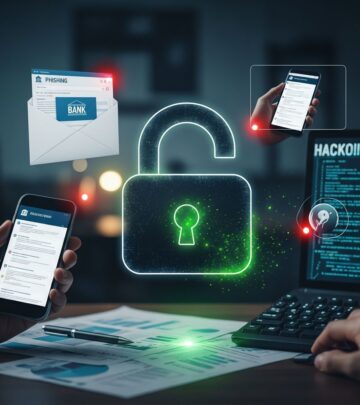
Modern Fraud Tactics: Safeguarding Against 2026 Scams
Discover emerging fraud schemes and learn critical defense strategies for personal financial protection

Financial fraud has evolved dramatically over the past several years, with criminals employing increasingly sophisticated methods to steal money and personal information. As technology advances and economic pressures mount, understanding the latest scam tactics has become essential for protecting yourself and your family. The landscape of deception has shifted from simple approaches to complex schemes that combine artificial intelligence, social engineering, and psychological manipulation. This comprehensive guide examines the most prevalent fraud threats and provides actionable strategies to defend against them.
The Growing Scale of Financial Fraud
The scope of financial fraud in recent years has reached alarming proportions. Adults aged 60 and older who reported losses exceeding $10,000 from impostor scams alone saw their numbers more than quadruple between 2020 and 2024. More concerning, reported losses of $100,000 or more increased dramatically from $55 million to $445 million during the same period, though these figures likely underestimate the true extent since fraud remains vastly underreported.
A significant portion of fraud victims never report their losses, either from embarrassment or uncertainty about where to file complaints. This underreporting means the actual financial impact is substantially higher than official statistics suggest, affecting millions across all demographic groups.
Artificial Intelligence as a Fraud Accelerant
Artificial intelligence has emerged as perhaps the most transformative technology enabling fraudsters. Rather than spending weeks building relationships, criminals now leverage AI to create highly convincing deceptions in mere minutes. Deepfake videos and synthetic voice technology allow scammers to impersonate executives, family members, and trusted contacts with remarkable accuracy. These tools generate forged documents including court orders and arrest warrants that appear authentic enough to fool most observers.
AI-generated emails and messages adapt to individual communication patterns, making them nearly indistinguishable from legitimate correspondence. Fraudsters use these capabilities to bypass security awareness training and exploit the natural human tendency to trust familiar-looking communications. The technology has democratized fraud, allowing less skilled criminals to execute sophisticated attacks that previously required extensive planning and resources.
Employment-Related Deception Schemes
Job-seeking frauds have resurged dramatically as labor markets tighten and unemployment pressures increase. With U.S. employers conducting over 1.17 million layoffs in 2025, the most since 2020, desperate job hunters become vulnerable to deception. Scammers operate on multiple fronts within the employment space:
- Fake job advertisements posted across online platforms, social media, and legitimate job search websites that appear to offer genuine employment opportunities
- Impersonation of real companies and employment agencies to extract application fees or collect sensitive personal information
- Work-from-home offers that require upfront payments for materials, training, or administrative processing
- Credential verification schemes requesting payment to validate qualifications or conduct background checks
These scams typically request payment for application processing, equipment, or credential verification before offering employment. The loss extends beyond money to include compromised personal information such as social security numbers, banking details, and identification documents that enable further fraudulent activities.
Digital Payment and Refund Fraud
The explosion of peer-to-peer payment applications has created new vulnerability vectors. As platforms like Zelle and PayPal become ubiquitous, fraudsters have developed corresponding schemes. Scammers claim they accidentally sent payments and request reversal through the same platform, attempting to redirect funds or gain access to payment accounts.
Another emerging pattern involves QR code phishing in public places. Fraudsters place deceptive QR codes in parking lots, on posters, and at payment terminals. When scanned, these codes direct victims to fake banking websites or malicious applications designed to harvest login credentials and financial information. The seemingly innocuous nature of scanning a code makes this attack vector particularly effective against tech-savvy individuals who may not scrutinize the source.
Romance and Relationship-Based Exploitation
Romance scams represent one of the most emotionally devastating fraud categories, generating particular concern among fraud prevention experts. These schemes operate through a well-established playbook:
- A scammer creates a false identity and establishes contact through dating applications, social media, or messaging platforms
- The criminal invests time building emotional rapport and establishing trust with the victim
- Once trust is sufficiently established, the scammer introduces financial requests or investment opportunities
- Victims are directed toward cryptocurrency investments or money transfers, often resulting in substantial losses
Unlike other fraud categories that rely on urgency and fear, romance scams exploit fundamental human desires for connection and love. The psychological bond developed over weeks or months makes victims reluctant to believe they are being deceived, even when logical indicators suggest fraud. These scams persist because they work reliably across diverse victim demographics and educational backgrounds.
Intimidation and Threat-Based Schemes
A concerning evolution in fraud tactics involves aggressive intimidation directed at victims. Rather than building false relationships, these scammers employ threats and manufactured evidence to inspire immediate compliance. Characteristic elements include:
- Threats targeting the victim’s family members and loved ones
- Digital evidence including photographs of deceased individuals, accident scenes, or violence
- References to supposed compromising information discovered during computer surveillance
- False claims of law enforcement involvement or outstanding warrants
These intimidation tactics have become increasingly prevalent, particularly following major news events. When substantial media coverage dominates headlines—such as celebrity scandals, bankruptcy announcements, or security breaches—scammers weaponize these stories. Data breaches provide scammers with legitimate personal information that lends credibility to their threats. This fusion of manufactured urgency with real personal data creates particularly convincing deceptions.
Business-Targeted Financial Fraud
Commercial enterprises face sophisticated fraud tactics that can result in substantial financial losses. Business Email Compromise (BEC) attacks remained prevalent in 2024, with 63% of organizations reporting incidents. These schemes involve fraudulent email accounts appearing to originate from legitimate business leadership or trusted partners. Criminals specifically target ACH credits and wire transfers due to their speed and large transaction amounts.
An additional business threat involves sextortion and blackmail schemes that threaten to release allegedly compromising information unless payment is made. These mass-distributed schemes rely on fear and embarrassment to generate quick payments from a small percentage of recipients. While most victims recognize these as frauds, some comply out of shame or panic.
Investment Fraud and Cryptocurrency Targeting
Investment fraud continues to evolve with digital assets and cryptocurrency occupying the leading threat position for three consecutive years. These schemes typically feature:
- Promises of exceptional returns on cryptocurrency investments
- Complex investment vehicles that obscure underlying risk
- Unlicensed operators without proper securities credentials
- Insufficient disclosure of investment risks and fee structures
Related schemes include phantom trading bots and algorithmic investment systems promising automated profit generation. Social media has amplified investment fraud through self-proclaimed investment influencers sharing unverified trading strategies and investment recommendations. Real estate investment scams similarly exploit hopes for property appreciation, with fraudsters selling parcels they neither own nor have permission to sell.
Impersonation and Identity Exploitation
Scammers continue refining impersonation tactics targeting banks, government agencies, and legitimate businesses. Bank impersonation schemes involve fraudulent communications appearing to originate from financial institutions requesting account verification, payment updates, or urgent transactions. These messages often include legitimate-appearing branding and language designed to bypass skepticism.
Identity theft has expanded to include synthetic identity fraud, where criminals create entirely fictional identities using combinations of real and fabricated information. These false identities are used to apply for loans, credit cards, and financial aid, creating devastating consequences for victims when fraudulent accounts are discovered on their credit reports.
Financial Relief and Economic Hardship Scams
During periods of economic uncertainty, financial relief scams proliferate as people seek solutions to economic pressures. These schemes pose as legitimate assistance programs offering tariff relief, debt forgiveness, or government assistance. The Better Business Bureau received over 800 complaints about fraudulent relief payment calls within a two-month period in late 2025.
These scams operate by directing victims to websites requesting personal information purportedly necessary to process relief payments. Instead of facilitating assistance, these sites harvest sensitive data for identity theft or spam purposes. The psychological appeal stems from genuine economic hardship, making people vulnerable to seemingly official-sounding assistance offers.
Protective Measures and Defense Strategies
Several practical strategies significantly reduce fraud vulnerability:
| Threat Category | Primary Defense Strategy | Secondary Verification |
|---|---|---|
| Payment Requests | Verify through independent channels using known contact information | Call the organization directly using numbers from official sources |
| Investment Opportunities | Research thoroughly and verify licensing through regulatory bodies | Consult with qualified financial advisors before investing |
| Communication Requests | Never share login credentials or financial information via unsecured channels | Contact sender directly through official channels to verify authenticity |
| Payment Instructions | Question any sudden changes to established payment procedures | Confirm through multiple communication channels before processing transfers |
Implementation of these protective measures involves developing healthy skepticism toward unsolicited communications. Treat urgent requests with particular caution, as scammers deliberately create time pressure to bypass rational decision-making. Educational awareness within families and organizations amplifies these individual protections, creating community-wide resilience against fraud.
Reporting and Recovery Resources
Recognizing fraud has occurred is only the first step. Multiple resources exist to report incidents and pursue recovery:
- File reports with the Federal Trade Commission at reportfraud.ftc.gov
- Contact local law enforcement to establish official incident records
- Notify financial institutions immediately to freeze accounts and dispute unauthorized transactions
- Place fraud alerts with credit reporting agencies to monitor for identity theft
- Consult with the Identity Theft Resource Center for specialized guidance on complex cases
While recovery of stolen funds is not guaranteed, reporting enables law enforcement to identify patterns, track organized fraud operations, and potentially recover assets through legal proceedings. Early reporting significantly improves recovery prospects.
Frequently Asked Questions
What should I do if I’ve already fallen victim to a scam?
Immediately contact your financial institutions to freeze accounts and dispute unauthorized transactions. Report the fraud to the FTC and local law enforcement, place fraud alerts with credit agencies, and monitor accounts for suspicious activity. Consider consultation with the Identity Theft Resource Center for guidance specific to your situation.
How can I verify that communications from my bank are legitimate?
Use contact information from official sources rather than responding to unsolicited communications. Call the number on your bank card or from their official website. Banks never request sensitive information like passwords or full account numbers through unsolicited communications.
Are certain age groups more vulnerable to fraud?
While fraud affects all demographics, older adults report higher average losses from certain scam types. However, employment scams, romance fraud, and investment schemes impact younger populations significantly. Awareness and skepticism are protective across all age groups.
What makes AI-powered scams difficult to detect?
AI-generated content replicates legitimate communication patterns, syntax, and visual elements with remarkable accuracy. Deepfake videos and synthetic voices bypass traditional authentication methods. Traditional skepticism becomes insufficient, making multi-factor verification essential.
References
- Biggest Fraud and Scams to Watch for in 2026 — AARP. 2026. https://www.aarp.org/money/scams-fraud/biggest-scams-to-watch-for-2026/
- The Top 5 Financial Fraud Scams Businesses Should Watch in 2026 — First Bank. 2026. https://www.first.bank/Resources/Learn/Financial-Education-Center/February-2026/The-Top-5-Financial-Fraud-Scams-Businesses-Should
- Old Tricks, New Twists: Avoiding Investment Scams in 2026 — Utah Department of Commerce. 2026. https://commerce.utah.gov/2026/01/05/old-tricks-new-twists-avoiding-investment-scams-in-2026/
- Top Financial Scams to Look Out for in 2026 — FVCbank. 2026. https://www.fvcbank.com/blog/top-financial-scams-to-look-out-for/
- Fraud Watch 2026: How to Spot Scams Before They Hit Your Wallet — Hillcrest Bank. 2026. https://www.hillcrestbank.com/knowledge-center/fraud-watch-2026-how-to-spot-scams-before-they-hit-your-wallet/
- Top Scams to Watch in 2026 and During Tax Season — First Mid. 2026. https://www.firstmid.com/articles/top-scams-to-watch-in-2026
- Six Common Scams to Watch for During 2026 — WSFS Bank. 2026. https://www.wsfsbank.com/resource/six-common-scams-to-watch-for-during-2026/
Similar Articles








Read full bio of medha deb