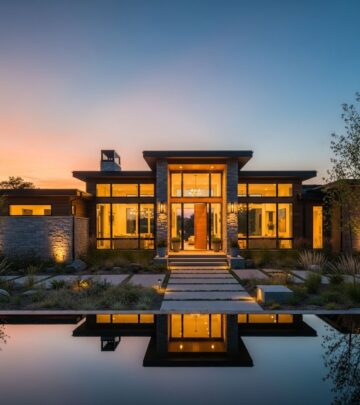
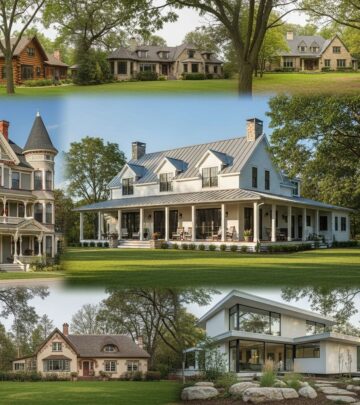
Modern Contemporary Homes: 2025 Guide To Style And Comfort
Discover the defining features of modern contemporary homes, blending sleek design, functionality, and sustainability for today's discerning buyers.
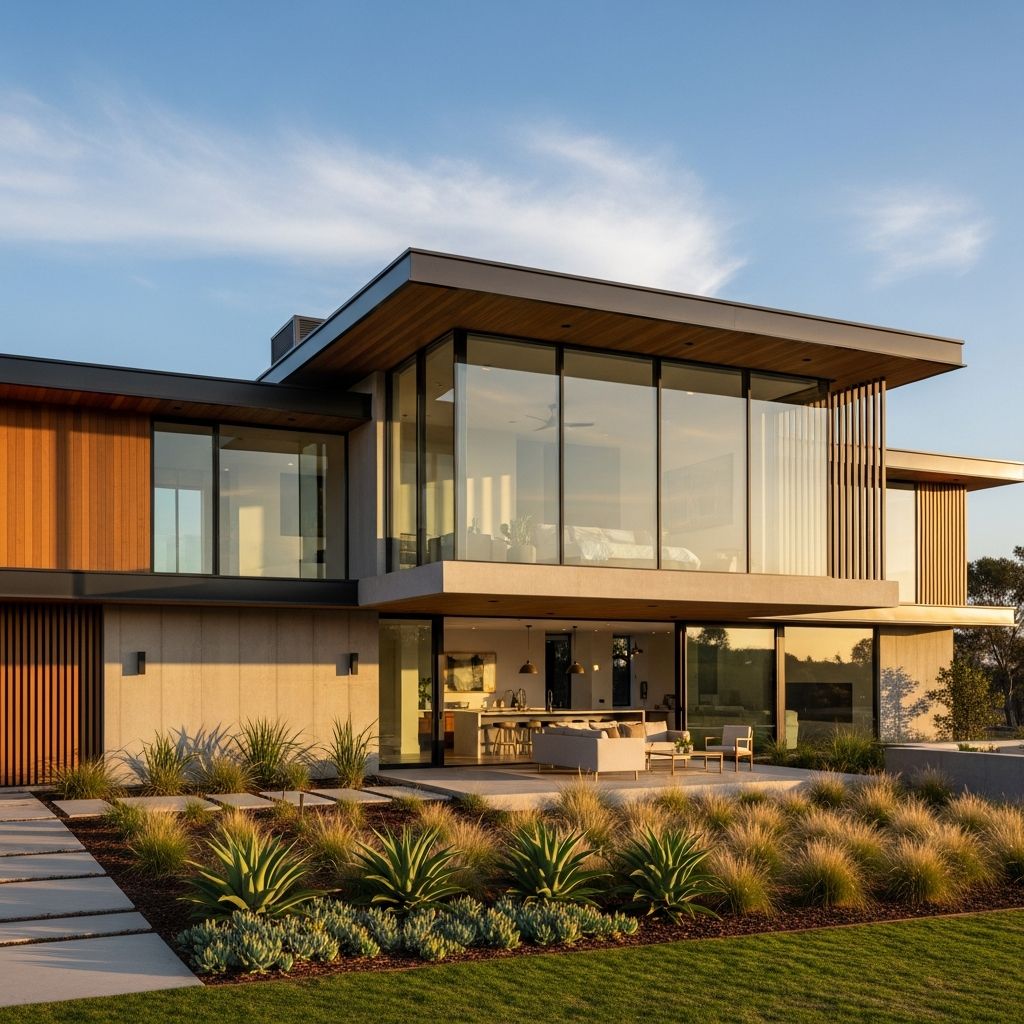
Modern contemporary homes represent the pinnacle of architectural evolution, merging minimalist aesthetics with cutting-edge functionality. These residences emphasize clean lines, abundant natural light, and seamless integration with the environment, making them ideal for families and individuals seeking efficient, stylish living spaces. As homebuyers prioritize sustainability and adaptability, contemporary designs dominate 2026 trends with open floor plans and smart technology.
Core Characteristics of Contemporary Design
At their heart, modern contemporary homes feature
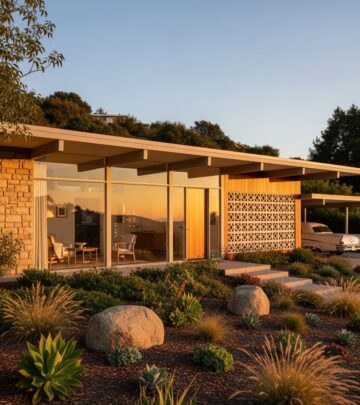
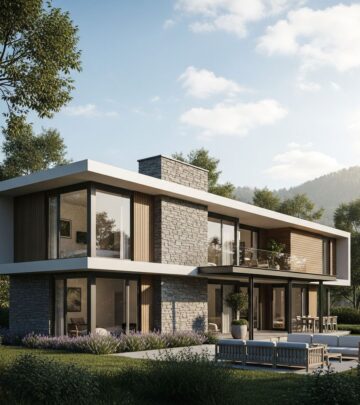
flat or low-pitched roofs
, expansive glass walls, and asymmetrical facades that prioritize horizontal lines for a grounded yet expansive feel. Unlike traditional styles burdened by ornate details, these homes opt for simplicity, using materials like concrete, steel, glass, and wood to create durable, low-maintenance exteriors.Interior spaces boast
high ceilings
andminimalist finishes
, fostering an airy atmosphere. Walls of windows flood rooms with light, blurring boundaries between indoors and outdoors. This design philosophy extends to functional zones: kitchens with oversized islands serve as social hubs, while primary suites offer resort-like retreats with spa bathrooms.- Open layouts: Eliminate barriers for fluid movement between living, dining, and cooking areas.
- Natural materials: Reclaimed wood, stone, and organic textures add warmth to sleek surfaces.
- Asymmetrical elements: Off-center windows and varied rooflines create visual interest without clutter.
Embracing Open and Flexible Floor Plans
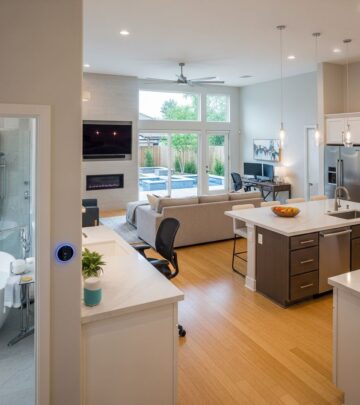
Open floor plans remain a cornerstone, allowing natural light to permeate every corner and promoting family connectivity. In 2026, buyers favor designs with vaulted ceilings, wide sightlines, and thoughtful zoning via architectural accents like beams or subtle partitions. For instance, modern ranches like those with 2,000+ square feet integrate family rooms, dining areas, and kitchens into one cohesive space, often with adjacent patios for al fresco extensions.
Flexibility is key: multi-generational setups include separate suites with private entrances, kitchenettes, and ADA-compliant features, supporting aging-in-place or guest accommodations. Wider hallways and mudrooms with built-in storage streamline daily life, reducing clutter in high-traffic zones.
| Feature | Benefit | Example Plan |
|---|---|---|
| Large Kitchen Island | Enhances prep space and socializing | L-Shaped with Pantry Access |
| Split Bedrooms | Privacy for families | Primary Behind Garage |
| Walkout Basements | Expands recreation area | Mountain-Modern Style |
Indoor-Outdoor Living: The Ultimate Seamless Blend
Contemporary homes excel in erasing boundaries between interior comfort and exterior beauty through
retractable glass walls
, covered patios, and outdoor kitchens. These features create resort-style extensions, complete with fire pits, media walls, and low-maintenance landscaping.Buyers in 2026 demand year-round usability: motorized shading, heating elements, and insect screens make patios viable in any weather. Plans with walls of glass and generous porches, like those offering mountain views or urban escapes, elevate everyday living to vacation-like experiences. Biophilic elements—indoor gardens, water features, and green walls—further harmonize spaces with nature, boosting wellness.
Sustainable and Energy-Efficient Innovations
Sustainability defines contemporary homes, with
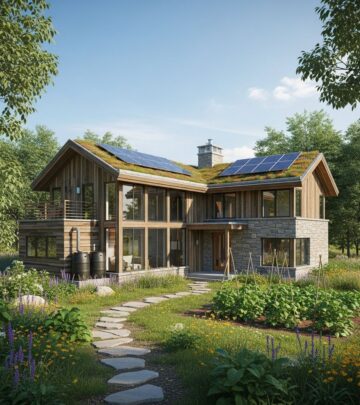
net-zero energy
andpassive house standards
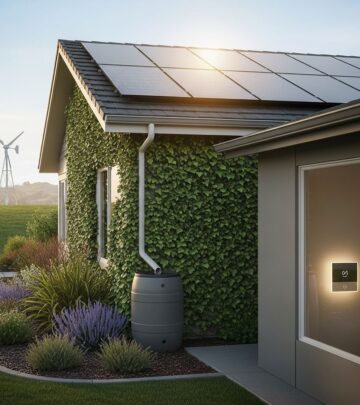
becoming norms. These designs produce as much energy as consumed via solar integration, superior insulation, and natural ventilation, ensuring optimal air quality and thermal comfort.High-performance windows in clerestory or corner placements maximize daylight while preserving privacy. Organic materials like reclaimed wood reduce environmental impact, aligning with circular economy principles where components are reusable. U.S. Department of Energy guidelines emphasize such efficiencies for long-term cost savings and resilience (energy.gov, 2025 update).
Smart Technology and Wellness Integration
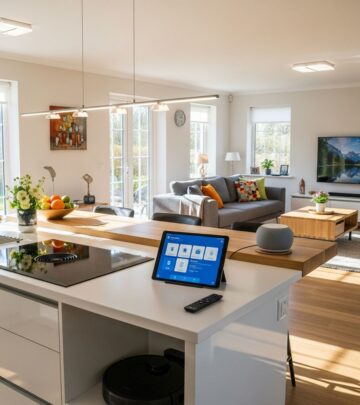
Fully connected smart systems are non-negotiable, controlling lighting, climate, and security intuitively. Zoned built-ins house tech hubs with TVs, fireplaces, and storage, maximizing wall space without bulky furniture. Wellness trends include saunas, multiple en-suites, and spa bathrooms with statement tilework.
Curved wooden silhouettes and tactile materials counter digital sterility, fostering emotional connections through craft and narrative-driven design. AI-driven adjustments balance mood, climate, and sustainability in real time.
Custom Features Elevating Contemporary Luxury
Personalization shines in
custom built-ins
, statement fireplaces, and unique tile applications. Laundry upgrades with sorting stations and mudrooms with pet zones reflect lived-in practicality. Accessory Dwelling Units (ADUs) provide flexible space for offices or rentals, enhancing resale value.Architectural minimalism—flat roofs, hidden doors, monochromatic palettes—delivers timeless elegance. Floating staircases and linear lighting add drama without excess.
Financing Your Contemporary Dream Home
Purchasing a modern contemporary home involves strategic financing. Mortgage options like fixed-rate loans suit energy-efficient builds with lower utility costs. Pre-approval streamlines offers in competitive markets. Consider home warranties for high-tech features and appraisals valuing sustainable upgrades.
Resale potential is strong: open plans and smart tech appeal broadly, per National Association of Realtors data (realtor.org, 2025). Budget for customizations like solar panels, which qualify for federal tax credits via IRS guidelines (irs.gov, 2025).
Pros and Cons of Contemporary Homes
- Pros: Energy savings, modern appeal, flexible spaces, natural light abundance.
- Cons: Higher upfront costs for materials/tech, maintenance of glass elements, less privacy without thoughtful zoning.
Frequently Asked Questions (FAQs)
What defines a modern contemporary home?
Clean lines,<|...|>
Similar Articles








Read full bio of medha deb