Mobile Payment Solutions: A Modern Guide to E-Wallets
Discover how digital payment platforms transform everyday transactions

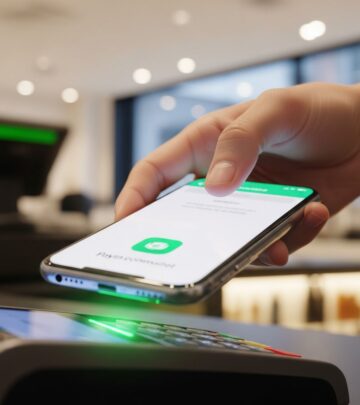
The way people handle money has undergone a dramatic transformation over the past decade. Rather than reaching for cash or fumbling through a physical wallet for cards, millions now complete transactions with a simple tap of their smartphone. This shift toward
electronic payment methods
represents one of the most significant changes in consumer finance, driven by technological advancement and changing preferences for speed and security.Understanding Modern Payment Technology
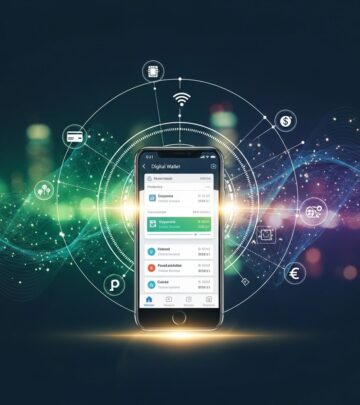
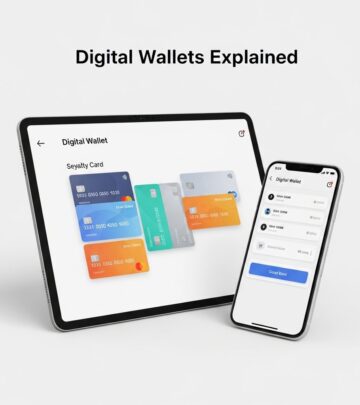
An e-wallet—also called a digital wallet or virtual wallet—is essentially a software application that securely stores payment information on your mobile device or computer. Think of it as a digital replacement for the traditional leather wallet, except it holds encrypted versions of your credit cards, debit cards, and bank account details rather than physical cards.
The fundamental purpose of these applications is straightforward: they make financial transactions faster, safer, and more convenient than ever before. Whether you’re purchasing groceries at a supermarket, booking a flight online, or sending money to a friend, your e-wallet handles the transaction with minimal friction. Rather than entering payment details repeatedly, you authorize the purchase once, and the wallet takes care of the rest.
What makes modern e-wallets particularly compelling is their versatility. Beyond storing payment methods, they can hold loyalty program memberships, digital event tickets, travel passes, and even cryptocurrency. This consolidation transforms your phone into a comprehensive financial management tool.
The Three-Category Classification System
Digital wallets are not one-size-fits-all solutions. They fall into three distinct categories, each with different capabilities, limitations, and use cases:
Fully Accessible Wallets
These represent the most flexible category of digital payment solutions.
Open wallets
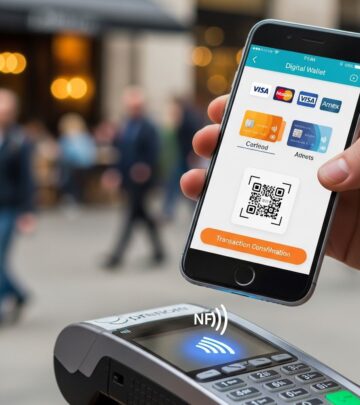
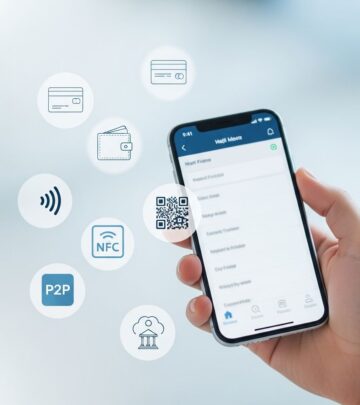
can be used across numerous merchants, financial institutions, and transaction types. They typically come pre-installed on smartphones from major manufacturers or can be downloaded from app stores. Because they work with multiple payment networks and vendors, they provide maximum flexibility for consumers who want to use a single wallet everywhere they shop.Open wallets support various payment methods—multiple credit cards, debit accounts, and bank transfers—all within one application. They leverage near-field communication (NFC) technology, allowing you to pay in physical stores by holding your phone near payment terminals. They also facilitate online purchases, bill payments, and peer-to-peer money transfers.
Single-Merchant Wallets
In contrast,
closed wallets
function exclusively with the issuing company or retailer. Amazon Pay represents a common example of this category. If you use a closed wallet with a specific retailer, any refunds from returns automatically credit back to that wallet rather than your original payment method.While closed wallets offer less flexibility, they can be advantageous if you frequently shop with one retailer. You might accumulate loyalty rewards faster, receive exclusive offers, and streamline your purchasing process at that specific location.
Hybrid Wallets
**Semi-closed wallets** occupy the middle ground between the other two categories. These applications work with selected partner merchants, both online and in physical retail environments, but they’re not universally accepted everywhere. PayPal exemplifies this hybrid approach—it’s accepted at thousands of merchants worldwide, but not at every single business. Semi-closed wallets typically require you to load funds upfront, and they often serve specific regional markets or merchant networks.
How Payment Encryption Protects Your Finances
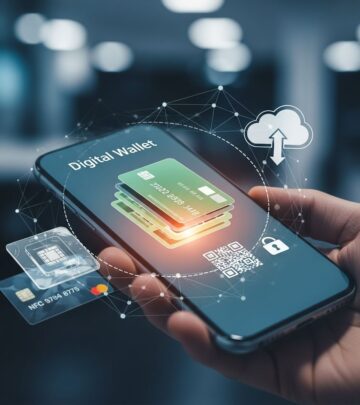
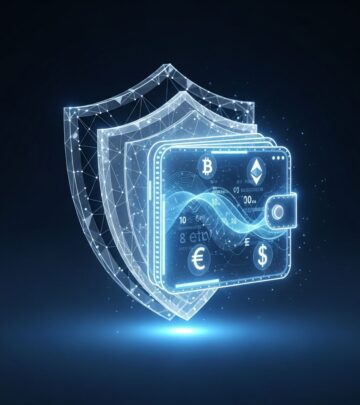
One of the most compelling advantages of digital wallets is their superior security architecture compared to physical payment methods. When you add a card to your e-wallet, the application doesn’t actually store your complete card number. Instead, it uses a process called
tokenization
, which replaces your sensitive card information with a unique digital token.This token is meaningless to thieves. Even if someone intercepts the token during a transaction, they cannot reverse-engineer your actual card number. The token only works in conjunction with your specific device and only for authorized transactions that you initiate.
Beyond tokenization, modern e-wallets employ multiple security layers:
- **Biometric authentication** — Your fingerprint or facial recognition serves as the primary authorization method, ensuring only you can access your wallet
- **Two-factor authentication** — Transactions may require both a password and a secondary verification method, such as a code sent to your phone
- **Data encryption** — Your sensitive information is converted into unreadable code that only authorized systems can decipher
- **Secure servers** — Payment processors maintain fortified data centers with redundant security systems
These combined safeguards significantly reduce fraud risk compared to physical cards, which can be lost, stolen, or counterfeited.
Practical Benefits for Daily Financial Life
Speed and Convenience
The most immediate advantage of digital wallets is their exceptional convenience. Rather than retrieving your physical wallet, locating the correct card, and handing it to a cashier, you simply tap your phone once. This process typically takes less than two seconds, dramatically reducing friction from everyday transactions.
This speed extends beyond in-person purchases. Online shopping becomes quicker when your payment information is already stored in your wallet, eliminating the need to manually enter card details for each purchase. Subscription services and recurring payments can be managed directly within your wallet application.
Rewards and Loyalty Integration
Digital wallets automatically track and apply rewards from your various loyalty programs. Rather than carrying multiple loyalty cards, you store them all in one place. The wallet automatically identifies which rewards programs apply to your purchase and credits points accordingly.
Many wallets send notifications when rewards are available to redeem or when special promotional offers match your typical shopping patterns. This intelligent approach to rewards management ensures you maximize benefits without manually tracking each program.
Financial Inclusion and Accessibility
For individuals without traditional banking access, digital wallets provide a pathway into the financial system. Even people without bank accounts can use certain wallets to receive payments, pay bills, and transfer money. This democratization of financial services is particularly impactful in underserved communities.
Real-Time Transaction Monitoring
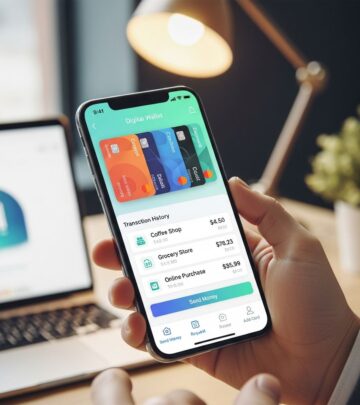
Most e-wallets provide immediate notifications for every transaction. This real-time visibility helps you monitor spending patterns, detect fraudulent activity quickly, and maintain better control over your finances. You can review transaction history, categorize spending, and set budget alerts directly within many wallet applications.
Digital Wallets and Cryptocurrency Integration
As cryptocurrency becomes increasingly mainstream, digital wallets have evolved to accommodate digital currencies like Bitcoin and Ethereum. Cryptocurrency wallets function differently from traditional payment wallets because they store digital asset keys rather than card information.
**Hot wallets** remain connected to the internet, enabling quick access to your cryptocurrency holdings and facilitating frequent transactions. However, this online connectivity increases vulnerability to hacking attempts. They’re ideal for active traders who need rapid access to their assets.
**Cold wallets** operate offline, storing your cryptocurrency on physical devices or paper records. While they’re slower to access, they provide superior security because they’re never exposed to internet-based threats. Cold wallets suit long-term investors who prioritize security over trading frequency.
Market Adoption and Global Trends
Digital wallet adoption has accelerated dramatically, particularly following the global pandemic when contactless payment methods gained widespread acceptance among both consumers and merchants. Currently, digital wallets account for approximately 30% of point-of-sale transactions in the United States and 50% of online purchases globally, representing a higher market share than any other payment method.
With over 3.4 billion digital wallet users worldwide, these applications have transitioned from niche technology to mainstream financial tools. Major technology companies—including Apple, Google, and Samsung—have integrated wallet functionality directly into their operating systems, making adoption effortless for consumers.
Evaluating Digital Wallet Options
| Wallet Type | Best For | Key Advantage | Primary Limitation |
|---|---|---|---|
| Open Wallets | Consumers wanting maximum flexibility | Works everywhere | May have more complex interfaces |
| Closed Wallets | Frequent shoppers at specific retailers | Exclusive benefits and rewards | Limited to one merchant |
| Semi-Closed Wallets | Those preferring balance between options | Works at partner merchants | Not universally accepted |
| Cryptocurrency Wallets | Digital asset investors | Secure crypto storage | Requires technical understanding |
Frequently Asked Questions
Are digital wallets completely safe?
Digital wallets incorporate multiple security layers—tokenization, encryption, biometric authentication, and two-factor verification—making them significantly safer than carrying physical cards. However, no system is entirely risk-free. Protecting your phone and using strong passwords remains essential.
What happens if I lose my phone?
Most wallet applications can be remotely disabled or recovered through your account. Once you regain access to your account from another device, you can resume using your wallet. Your payment information remains protected because it’s encrypted on secure servers.
Which digital wallet should I choose?
Your choice depends on where you shop most frequently and which devices you use. If you use Apple products, Apple Pay offers seamless integration. Android users typically prefer Google Pay or Samsung Pay. For online shopping and peer-to-peer transfers, PayPal or Cash App provide broader acceptance.
Do digital wallets replace credit cards entirely?
While digital wallets store your card information, they don’t eliminate the need for traditional credit accounts. You’re still using your underlying credit or debit card; the wallet simply provides a more convenient interface for accessing it.
Are there fees for using digital wallets?
Most consumer-facing digital wallets charge no fees for basic usage. However, some premium features or cryptocurrency transactions may incur costs. Always review your wallet provider’s fee structure before committing to a service.
The Future of Digital Payment Methods
The trajectory of digital wallet technology points toward even greater integration into daily financial life. Emerging developments include expanded cryptocurrency support, enhanced artificial intelligence for fraud detection, and integration with broader financial services like investing and lending.
As contactless payments continue gaining acceptance and technology becomes more sophisticated, digital wallets will likely become the default payment method for most consumers. The convenience, security, and financial management capabilities they offer make them increasingly indispensable in modern life.
Whether you’re managing household finances, conducting business transactions, or traveling internationally, a digital wallet provides the tools necessary for efficient, secure, and convenient payment processing. Understanding your options allows you to select the wallet solution that best aligns with your financial habits and preferences.
Similar Articles








Read full bio of Sneha Tete