Mobile Payment Solutions: A Complete Digital Wallet Guide
Master digital wallets for secure, instant payments on your smartphone
In today’s fast-paced financial landscape, the way we handle money has transformed dramatically. Rather than fumbling through physical wallets filled with cash and cards, millions of people now rely on digital wallets to manage their finances seamlessly. These innovative platforms have revolutionized how we pay for everything from morning coffee to major purchases, offering a blend of convenience, security, and accessibility that traditional payment methods simply cannot match.
Understanding the Fundamentals of Digital Payment Platforms
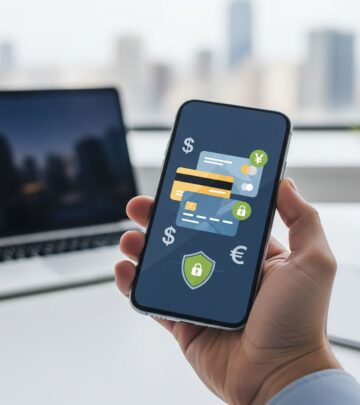
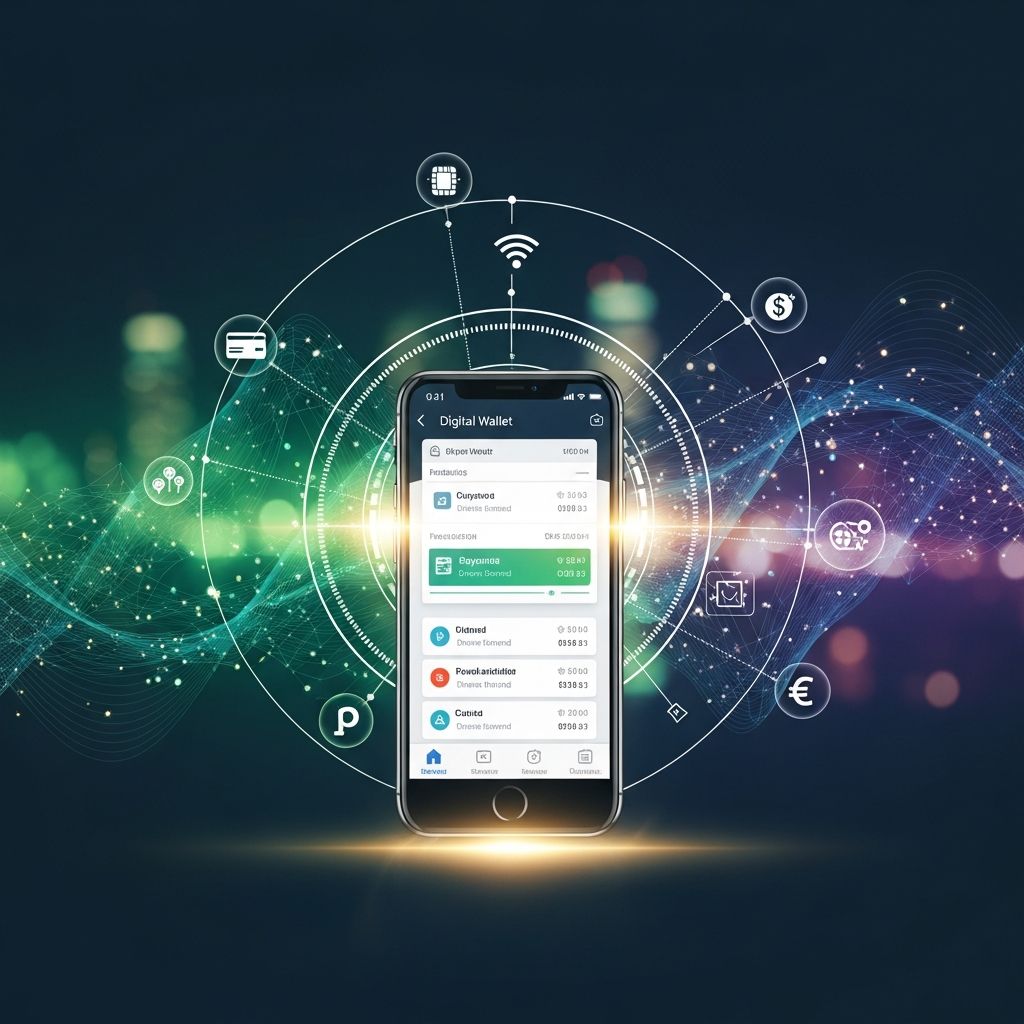
A digital wallet, often referred to as an e-wallet or mobile wallet, functions as a virtual equivalent of your traditional leather wallet. Rather than storing physical currency and cards, it securely holds your payment information—including debit cards, credit cards, bank account details, and even loyalty program credentials—all within a single application on your smartphone or electronic device.
The fundamental concept behind digital wallets is straightforward: they eliminate the need to carry multiple cards and cash by consolidating all payment methods into one accessible location. When you make a purchase, you simply open the application, verify your identity, and complete the transaction with a single tap or scan. This streamlined approach has made digital wallets an increasingly attractive option for consumers worldwide, with more than 3.4 billion users globally.
The Technical Mechanics Behind Secure Mobile Transactions
Understanding how digital wallets protect your financial information is crucial for building confidence in this technology. These platforms employ multiple layers of security technology working in concert to safeguard your sensitive data.
Tokenization represents one of the most important security innovations in digital payment systems. When you add a card to your digital wallet, the system doesn’t store your actual card number. Instead, it replaces it with an encrypted token—a unique code that represents your payment information without exposing the sensitive details. When you make a transaction, merchants receive only this token, never your actual card number. This means that even if a merchant’s system is compromised, your real financial information remains protected.
Encryption technology adds another protective layer by converting your payment data into a code that only authorized parties can decipher. This ensures that information transmitted between your device and payment processors remains unreadable to anyone attempting to intercept it during the transaction process.
Biometric authentication serves as your personal gatekeeper. Most modern digital wallets require fingerprint recognition, facial recognition, or a personal identification number before allowing you to access your funds or complete transactions. This means that even if someone gains access to your physical phone, they cannot easily access your wallet without these additional verification methods.
Exploring Different Wallet Categories and Their Applications
Digital wallets are not one-size-fits-all solutions. Different types of wallets serve different purposes, each with distinct characteristics and use cases.
Closed wallet systems are proprietary applications developed by specific retailers or companies. These wallets can only be used for transactions with their issuer. For example, Target or Amazon might offer closed wallets that work exclusively within their ecosystem. While limited in scope, these wallets excel at streamlining in-store and online checkout experiences for customers of those particular retailers. They often feature faster transactions and direct refund integration, improving the overall shopping experience.
Semi-closed wallets occupy a middle ground, offering access to a restricted but broader list of merchants. These wallets might be accepted at multiple retailers or service providers within a network. A good example would be a digital wallet that works across a specific chain of restaurants or gas stations. This type provides more flexibility than closed wallets while maintaining some level of restriction compared to fully open systems.
Open wallet platforms represent the most versatile option available. These are typically issued by banks or major payment processors and work with virtually any merchant that accepts digital payments, whether shopping in-store or online. Popular open wallets include Apple Pay, Google Pay, and Samsung Pay, which are accepted at millions of locations worldwide. Beyond simple payments, open wallets often support peer-to-peer money transfers, bill payments, and international transactions.
Key Advantages That Drive Digital Wallet Adoption
The explosive growth in digital wallet usage stems from several compelling benefits that improve daily financial life.
- Speed and Efficiency: Transactions process almost instantly, whether you’re paying at a physical store or making an online purchase. The simple tap-to-pay mechanism eliminates the need to insert cards or count cash, reducing checkout times significantly and improving the overall shopping experience.
- Enhanced Security Profile: Digital wallets employ tokenization and biometric authentication to protect your financial data more effectively than traditional card-based payments. This reduces the risk of fraud and helps both consumers and merchants avoid costly chargebacks and security breaches.
- Consolidated Payment Methods: Instead of managing multiple cards and cash, you consolidate everything into a single application accessible from any smartphone. This simplification extends beyond payment cards to include loyalty programs, gift cards, public transportation passes, and even digital identification documents.
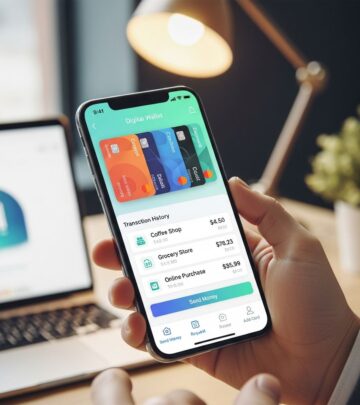
- Comprehensive Transaction History: Digital wallets maintain detailed records of all your transactions, making it easier to track spending, manage budgets, and monitor expenses for personal or business purposes.
- Rewards and Loyalty Integration: Many digital wallets automatically track and apply loyalty points, cashback offers, and promotional discounts without requiring physical loyalty cards. You receive notifications about available rewards, simplifying the redemption process.
- International Flexibility: Digital wallets support multiple currencies and can send funds using just an email address or phone number, making them ideal for international transfers and for populations without access to traditional banking infrastructure.
Practical Steps for Setting Up Your Digital Wallet
Getting started with a digital wallet involves a straightforward process. First, download the wallet application to your smartphone or access it through your bank’s mobile app. Next, verify your identity according to the platform’s requirements, which typically involves providing personal information and confirming your identity through various methods. Then, add your payment methods—credit cards, debit cards, or bank accounts—by entering the necessary details or photographing your physical card. Finally, configure security settings by enabling biometric authentication and setting up any additional verification requirements for your comfort level.
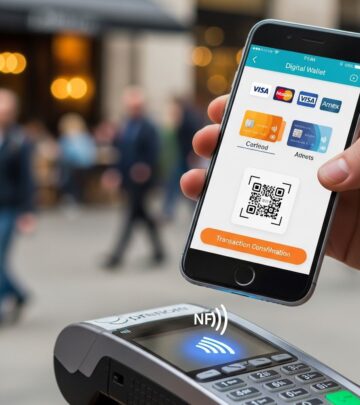
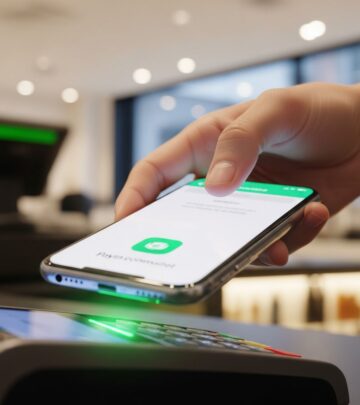
Once your wallet is configured, using it for transactions is remarkably simple. At physical locations, simply unlock your device, open the wallet application, hold your phone near the contactless payment terminal, and verify the transaction through biometric authentication or a PIN. For online shopping, select your digital wallet as the payment method during checkout and complete verification.
Comparative Analysis: Digital Wallets Versus Traditional Payment Methods
| Feature | Digital Wallet | Physical Cards | Cash |
|---|---|---|---|
| Transaction Speed | Instant | 1-2 minutes | Variable |
| Security Level | Very High | Moderate | Low |
| Accessibility | Requires smartphone | Always available | Always available |
| Tracking Capability | Detailed records | Manual tracking | No records |
| Fraud Protection | Tokenization | Limited | None |
| Convenience | Highest | Good | Fair |
Addressing Common Security Concerns
Many people hesitate to adopt digital wallets due to legitimate security concerns. However, understanding how these platforms protect your information can alleviate these worries.
The question of whether digital wallets are secure deserves a confident answer: yes, they are generally more secure than traditional card-based payments. The tokenization process ensures your actual card information never reaches merchants, while biometric authentication prevents unauthorized access even if someone obtains your phone. If your device is lost or stolen, you can remotely disable your digital wallet, preventing access to your funds.
Additionally, digital wallet providers typically offer fraud protection comparable to traditional banking services. If unauthorized transactions occur, you can report them to your bank or wallet provider for investigation and reimbursement.
The Evolving Landscape of Mobile Payment Technology
Digital wallets continue to expand beyond simple payment processing. Modern platforms increasingly function as all-in-one financial hubs. Beyond cards, they now store cryptocurrencies, bank account details, digital identification documents, health records, and even car keys. This evolution reflects a broader shift toward consolidating financial management into a single, secure platform accessible from your smartphone.
Peer-to-peer payment apps like Venmo, Cash App, and Zelle have further blurred the lines between traditional wallets and comprehensive financial platforms, allowing users to store balances, invest, and transfer money directly.
Frequently Asked Questions About Digital Wallets
- Can I use my digital wallet everywhere? Open wallets like Apple Pay and Google Pay are widely accepted, but acceptance depends on the merchant and wallet type. Check with individual merchants before attempting payment.
- What happens if my phone is lost? Most digital wallets allow you to remotely disable access through your account settings or by contacting your bank or wallet provider immediately.
- Is it safe to store multiple cards in one wallet? Yes. In fact, consolidation can improve security by reducing the number of physical cards you carry. Each card is individually protected through tokenization and encryption.
- Are transaction fees involved? Most digital wallet transactions are fee-free for consumers, though some peer-to-peer transfers may incur modest fees depending on the provider.
- Do all smartphones support digital wallets? Most modern smartphones support major digital wallet platforms, though older devices may have limitations. Check compatibility with your specific device model.
Making the Transition to Digital Payments
Adopting digital wallets doesn’t require abandoning physical payment methods entirely. Many people use a hybrid approach, maintaining physical cards for situations where digital payments aren’t accepted while enjoying the convenience of digital wallets for most everyday transactions.
The transition typically feels natural as you discover how much simpler daily transactions become. Within weeks, most users find themselves reaching for their phones rather than physical wallets for routine payments.
References
- The Complete Guide to Digital Wallets: Types, Benefits & More — ScaleFocus. 2024. https://www.scalefocus.com/blog/the-comprehensive-guide-to-digital-wallets-definition-types-benefits
- Digital Wallets Explained: Benefits, Types, and Security Tips — Tipalti. 2024. https://tipalti.com/blog/digital-wallet/
- What is a Digital Wallet? Understanding Its Benefits and Features — OnBe. 2024. https://www.onbe.com/guides/digital-wallets
- What is a digital wallet and how do they work? — Airwallex. 2024. https://www.airwallex.com/au/blog/what-is-a-digital-wallet
- Digital Wallets — Definition, Benefits & Types — SadaPay. 2024. https://www.sadapay.pk/blogs/what-is-a-digital-wallet
- What’s a Digital Wallet (eWallet): A Comprehensive Guide — Prometeo. 2024. https://prometeoapi.com/en/blog/digital-wallets
- What businesses need to know about accepting a digital wallet — Stripe. 2024. https://stripe.com/resources/more/digital-wallets-101
Similar Articles








Read full bio of Sneha Tete