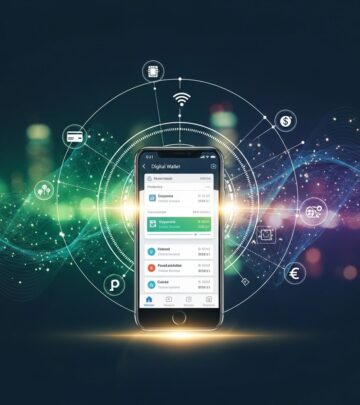
Mobile Financial Services: Definition, Benefits & Security
Complete guide to mobile financial services: How MFS transforms banking and payments.

What Are Mobile Financial Services?
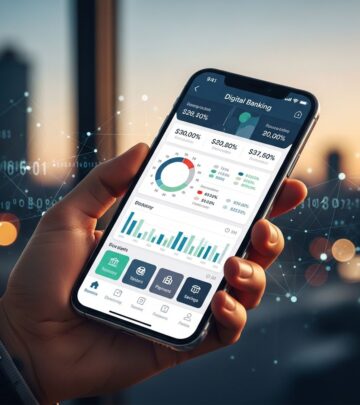
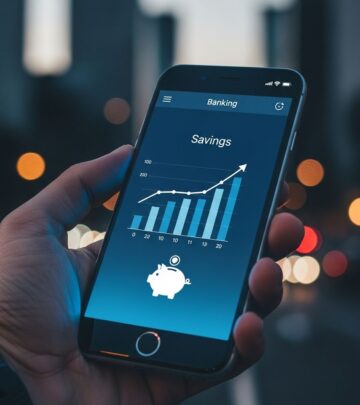
Mobile financial services (MFS) represent a transformative evolution in how individuals and businesses manage their finances. These services encompass a broad range of financial activities conducted through mobile devices, including smartphones and tablets, enabling users to perform banking operations, make payments, transfer money, and access financial products without visiting a physical bank branch. The proliferation of mobile technology and internet connectivity has fundamentally reshaped the financial landscape, making banking more accessible, convenient, and efficient for millions of people worldwide.
At its core, mobile financial services refer to the delivery of traditional banking and financial services through mobile platforms and applications. This includes activities such as checking account balances, depositing checks remotely, paying bills, transferring funds between accounts, applying for loans, and investing in financial instruments—all from the convenience of a mobile device. The technology enabling these services leverages secure internet connections, mobile applications, and specialized banking infrastructure designed to protect sensitive financial information.
Understanding the Definition and Scope
Mobile financial services extend beyond traditional mobile banking to encompass a comprehensive ecosystem of financial solutions accessible via mobile platforms. The definition has evolved significantly as technology has advanced and consumer expectations have changed. Today’s MFS landscape includes various service categories that cater to different financial needs and consumer segments.
The scope of mobile financial services is remarkably broad, encompassing:
- Mobile Banking: Core banking services delivered through mobile applications, allowing users to manage their accounts remotely
- Mobile Payments: Payment solutions enabling users to make purchases and transfer money using their mobile devices
- Digital Wallets: Virtual wallets storing payment information and enabling contactless transactions
- Money Transfer Services: Remittance solutions facilitating international and domestic fund transfers
- Mobile Investment Platforms: Investment tools enabling users to buy and sell securities directly from their phones
- Financial Management Apps: Applications helping users budget, track expenses, and plan their finances
- Peer-to-Peer Lending: Digital platforms connecting borrowers and lenders directly
- Insurance Services: Mobile-based insurance products and claims management
Key Features of Mobile Financial Services
Modern mobile financial services offer numerous features designed to provide users with comprehensive financial control and convenience. Understanding these features helps consumers make informed decisions about which services best suit their financial needs.
Accessibility and Convenience: MFS provides 24/7 access to financial services from virtually anywhere with internet connectivity. Users no longer need to adhere to traditional banking hours or travel to physical locations. This accessibility particularly benefits individuals with busy schedules, those in remote areas, and people with mobility challenges.
Real-Time Transactions: Mobile financial services enable near-instantaneous transaction processing. Whether transferring funds, paying bills, or checking balances, users receive immediate confirmation and updates. This real-time capability allows for better financial management and quick response to emerging financial needs.
Enhanced Security Features: Contemporary MFS platforms incorporate multiple security layers including encryption, biometric authentication, two-factor verification, and tokenization. These security measures protect sensitive financial data and reduce fraud risk significantly compared to traditional methods.
User-Friendly Interfaces: Mobile financial applications prioritize intuitive design and ease of use. Developers focus on creating interfaces that even non-technical users can navigate confidently, democratizing access to sophisticated financial tools.
Types of Mobile Financial Services
The mobile financial services sector encompasses several distinct categories, each addressing specific financial needs and consumer preferences.
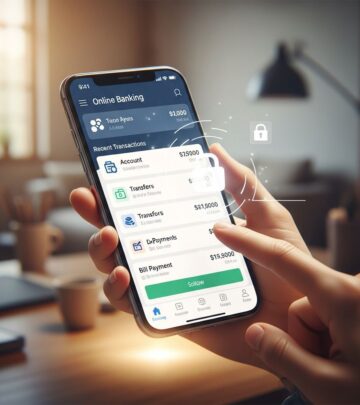
Mobile Banking Applications: Most traditional and digital banks now offer comprehensive mobile banking applications. These platforms allow customers to view account information, transfer funds between their own accounts or to other customers, pay bills, deposit checks via mobile capture, and access customer support services. Major banks continuously enhance their applications with advanced features like budgeting tools, spending analysis, and personalized financial recommendations.
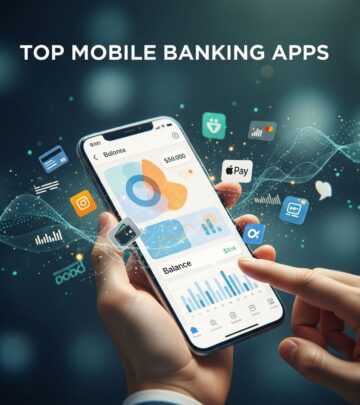
Mobile Payment Systems: Services like Apple Pay, Google Pay, Samsung Pay, and Square have revolutionized how consumers make payments. These platforms store payment card information securely and enable contactless transactions at retail locations. Mobile payment systems have gained particular prominence during and after the COVID-19 pandemic as consumers increasingly prefer touchless payment methods.
Digital Wallet Services: Digital wallets store payment methods, loyalty cards, and identification documents in one secure location. They facilitate seamless transactions both online and offline, offering convenience and consolidated financial management. Some wallets also offer cash storage capabilities, functioning as digital versions of physical wallets.
International Money Transfer Services: Companies specializing in remittances and international transfers have developed mobile platforms making it easier for individuals to send money across borders. These services often provide competitive exchange rates and lower fees compared to traditional wire transfer methods, particularly benefiting migrant workers sending money to families abroad.
Benefits of Mobile Financial Services
Mobile financial services offer substantial advantages for individuals, businesses, and the broader financial ecosystem.
Increased Financial Inclusion: MFS has dramatically expanded access to financial services for underserved populations. In developing countries with limited banking infrastructure, mobile services bypass the need for physical branches, enabling millions to access financial services for the first time. This financial inclusion promotes economic development and improves individual financial security.
Cost Reduction: Both providers and consumers benefit from cost efficiencies. Banks reduce operational expenses by minimizing physical branch infrastructure, while consumers save on travel time and fees. Streamlined digital operations result in lower transaction costs that providers often pass to consumers.
Enhanced Convenience: The ability to conduct financial transactions anytime and anywhere represents a fundamental shift in consumer banking experience. Users gain unprecedented flexibility in managing their finances without disrupting their daily activities.
Improved Financial Management: Mobile applications often provide sophisticated analytics, spending tracking, budgeting tools, and financial insights. These features help users understand their financial behavior, identify savings opportunities, and make more informed financial decisions.
Speed and Efficiency: Mobile transactions typically process faster than traditional methods. Fund transfers complete within minutes rather than days, and payment confirmations arrive instantly, improving cash flow management for both individuals and businesses.
Data and Analytics: MFS platforms generate valuable data about user behavior and preferences. This information helps financial institutions personalize services, improve offerings, and develop targeted financial products addressing specific customer needs.
Security Considerations and Risks
While mobile financial services offer numerous advantages, they also present security challenges that users and providers must address vigilantly.
Cybersecurity Threats: Mobile platforms attract sophisticated cyberattacks targeting financial data. Threats include malware, phishing attacks, unauthorized access attempts, and data breaches. Users must maintain awareness of security risks and implement protective measures like regular software updates and strong authentication methods.
Personal Device Security: Mobile financial services depend on user device security. Compromised phones through malware, jailbreaking, or physical theft can expose financial information. Users should employ strong passwords, enable automatic locks, and avoid downloading applications from untrusted sources.
Network Vulnerabilities: Using public Wi-Fi networks for financial transactions presents risks. Attackers can intercept data transmitted over unsecured networks. Users should limit financial activities to secure, private networks or use virtual private networks (VPNs) for additional protection.
Regulatory and Compliance Issues: The rapid evolution of MFS has sometimes outpaced regulatory frameworks. Users should verify that service providers comply with applicable financial regulations and consumer protection laws in their jurisdictions.
Fraud Prevention: Users must remain vigilant against social engineering attacks, fraudulent applications, and unauthorized transactions. Regularly monitoring account activity and reporting suspicious transactions immediately helps minimize fraud impact.
Mobile Financial Services and Financial Inclusion
Mobile financial services have emerged as a powerful tool for expanding financial inclusion, particularly in developing economies and underserved communities. The role of MFS in promoting financial inclusion cannot be overstated, as it addresses fundamental barriers to banking access.
In many developing countries, traditional banking infrastructure remains limited, with branch networks concentrated in urban centers. Mobile financial services bypass this limitation, requiring only mobile phone connectivity rather than physical locations. This accessibility enables rural populations, low-income earners, and marginalized communities to access essential financial services previously unavailable to them.
The impact extends beyond simple account access. Mobile financial services facilitate savings accumulation, enable business transactions, support microfinance initiatives, and provide safety nets through insurance products. Studies have demonstrated that access to mobile financial services correlates with increased entrepreneurship, improved household financial security, and enhanced economic resilience.
The Future of Mobile Financial Services
The mobile financial services sector continues evolving rapidly, with emerging technologies promising to reshape the landscape further. Artificial intelligence, machine learning, blockchain technology, and Internet of Things (IoT) integration will likely drive the next wave of innovation in MFS.
Open banking standards and API-driven architectures are enabling third-party developers to build innovative applications and services on top of traditional banking infrastructure. This ecosystem approach will likely accelerate innovation and create entirely new service categories.
Cryptocurrency and blockchain technology are introducing new possibilities for decentralized finance and alternative payment systems. While regulatory frameworks continue developing, these technologies may fundamentally alter how financial services are delivered and accessed.
Frequently Asked Questions
Q: What is the difference between mobile banking and mobile financial services?
A: Mobile banking typically refers to banking services accessed through mobile applications, while mobile financial services encompasses a broader range of financial activities including payments, investments, insurance, and lending, not limited to traditional banking operations.
Q: Are mobile financial services secure?
A: Modern MFS platforms employ sophisticated security measures including encryption, biometric authentication, and tokenization. However, security also depends on user behavior. Following best practices like using strong passwords, enabling two-factor authentication, and avoiding public Wi-Fi for sensitive transactions significantly enhances security.
Q: Can I use mobile financial services without a traditional bank account?
A: Yes, many MFS providers offer services without requiring traditional bank accounts. Digital-only banks and fintech companies provide comprehensive financial services to customers who may not qualify for or prefer traditional banking relationships.
Q: What should I do if I experience fraud on my mobile financial service account?
A: Immediately contact your service provider’s customer support, report the fraudulent transactions, and monitor your accounts for additional unauthorized activity. Most providers offer fraud protection and will investigate suspicious transactions promptly.
Q: How do mobile financial services help with financial inclusion?
A: MFS eliminates geographical and infrastructural barriers to financial access, enabling individuals in remote areas, low-income populations, and underbanked communities to access financial services through mobile phones, thereby promoting economic development and financial security.
Conclusion
Mobile financial services represent a fundamental transformation in how individuals and businesses access and manage financial resources. By combining technological innovation with financial services, MFS has democratized access to banking, payments, and investment tools. While security considerations require user vigilance and provider responsibility, the benefits of convenience, accessibility, and financial inclusion continue driving MFS adoption globally. As technology evolves and regulatory frameworks mature, mobile financial services will likely become increasingly central to the financial ecosystem, serving as the primary interface through which millions access financial services and build economic security.
References
- Mobile Financial Services: A Platform for Financial Inclusion — International Telecommunication Union (ITU). 2024. https://www.itu.int
- The State of Mobile Financial Services 2024 — Federal Reserve Board of Governors. 2024. https://www.federalreserve.gov/
- Mobile Payment Systems: Security and Consumer Protection — Consumer Financial Protection Bureau (CFPB). 2024. https://www.consumerfinance.gov/
- Digital Financial Inclusion in Developing Economies — World Bank Group. 2024. https://www.worldbank.org/
- Mobile Banking Security Best Practices — Financial Industry Regulatory Authority (FINRA). 2024. https://www.finra.org/
- Cybersecurity Threats in Mobile Financial Services — National Institute of Standards and Technology (NIST). 2024. https://www.nist.gov/
Similar Articles








Read full bio of medha deb