Mobile Credit Card Readers: Small Business Security Questions
Essential security questions and answers for small businesses using mobile credit card readers to protect payments on the go.
Mobile credit card readers have revolutionized payment processing for small businesses, enabling transactions anywhere—from farmers markets to client homes. However, with convenience comes security risks. This article answers the most common security questions small business owners have about mobile readers, drawing on industry standards and best practices to ensure safe, compliant operations.
What Are Mobile Credit Card Readers?
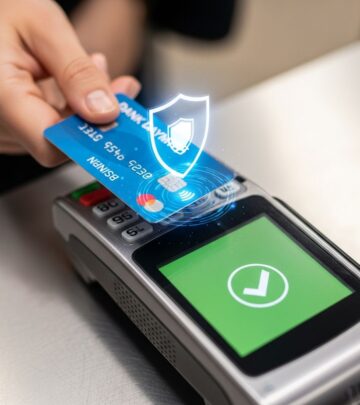
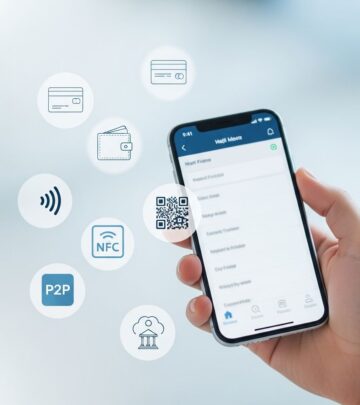
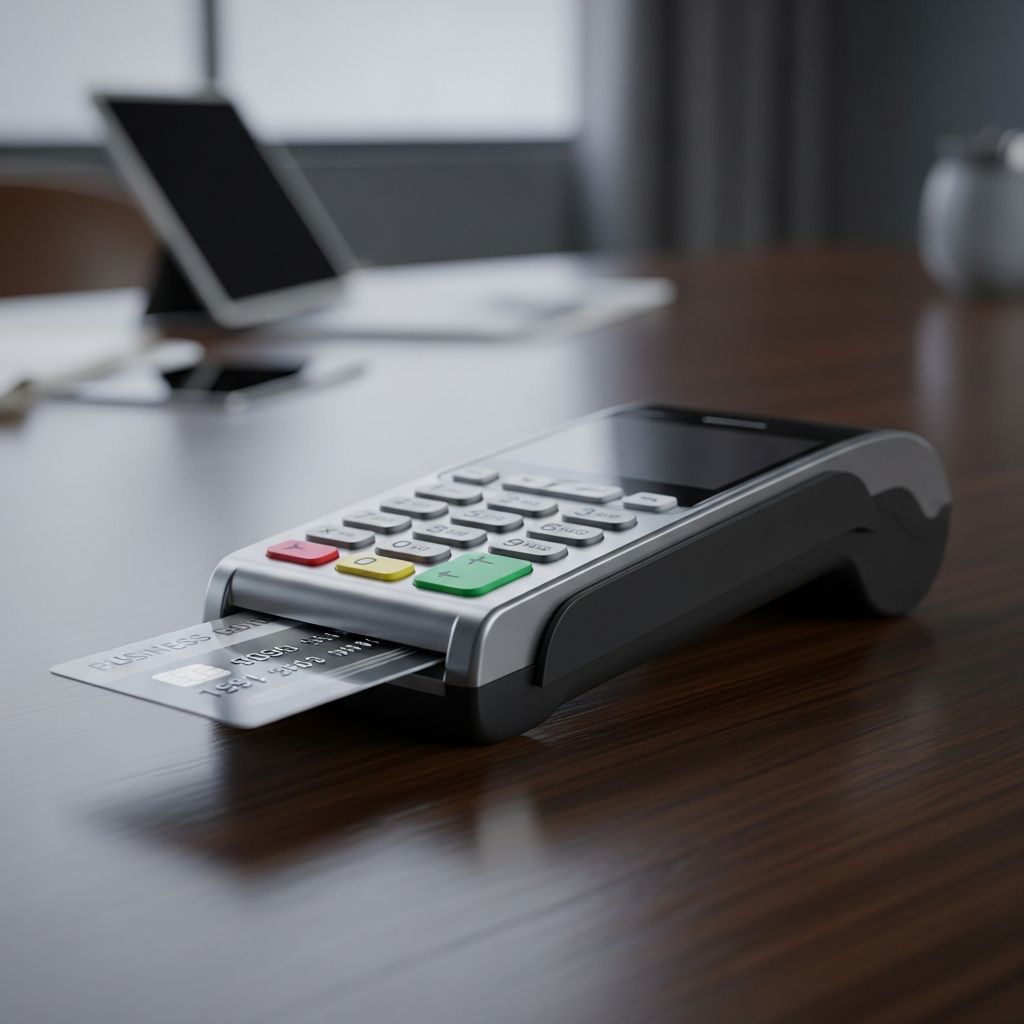
Mobile credit card readers are compact devices that attach to smartphones or tablets, or function as standalone handheld terminals, allowing businesses to accept credit, debit, and contactless payments on the go. They support swipe, dip (EMV chip), and tap (NFC) methods, transmitting encrypted data via Bluetooth or audio jack to payment apps for authorization.
Unlike traditional countertop POS systems, mobile readers offer flexibility for service-based businesses, food trucks, or pop-up shops. Basic swipe readers capture magstripe data, while advanced models handle EMV-compliant chips and mobile wallets like Apple Pay and Google Pay, reducing fraud risks associated with older technology.
- Swipe readers: Read magnetic stripes but are less secure and increasingly phased out.
- Chip readers (EMV): Insert card chip for dynamic data generation, compliant with global standards.
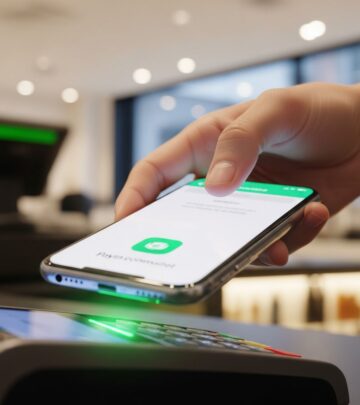
- Contactless (NFC): Enable tap-to-pay for speed and hygiene.
- Smart terminals: All-in-one devices with built-in screens and batteries for independent operation.
How Do Mobile Credit Card Readers Work?
The process begins when a customer swipes, dips, or taps their card on the reader. The device captures data—magstripe info, chip authentication code, or NFC signal—and encrypts it immediately using standards like AES-256. This encrypted data transmits via Bluetooth, USB, or audio port to a paired mobile app.
The app forwards the request to the payment processor, which communicates with the card issuer’s bank for approval. If authorized, funds transfer to the merchant account, typically within 1-2 business days. Handheld mPOS terminals handle more steps onboard, including loyalty tracking and receipts.
| Step | Description |
|---|---|
| 1. Card Interaction | Customer swipes/dips/taps card. |
| 2. Data Capture & Encryption | Reader encrypts data at point of capture (P2PE). |
| 3. Transmission | Bluetooth/app sends to processor. |
| 4. Authorization | Bank approves/declines in seconds. |
| 5. Completion | Receipt issued; funds deposited. |
Are Mobile Credit Card Readers Secure?
Yes, when using PCI-compliant devices with EMV and P2PE encryption, mobile readers are highly secure—safer than keyed-in card-not-present (CNP) transactions, which face 90% higher fraud rates. Modern readers encrypt data from the swipe/dip moment, preventing interception.
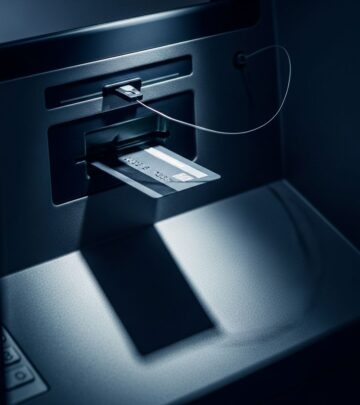
However, security depends on proper setup: outdated magstripe-only readers are vulnerable to skimming, while EMV/NFC models generate unique transaction codes, thwarting replay attacks. Bluetooth models must use validated channels to avoid man-in-the-middle exploits.
What Is PCI Compliance for Mobile Readers?
PCI DSS (Payment Card Industry Data Security Standard) v4.0, effective March 31, 2025, mandates robust protections for all card-handling businesses. It requires encryption, access controls, and regular vulnerability scans—critical for mobile setups exposed to public Wi-Fi or lost devices.
Small businesses processing under 1 million transactions annually qualify for simplified SAQ forms, but must validate annually. Non-compliance risks fines up to $100,000 per month, account termination, or liability for fraud losses. Mobile processors like Helcim and Square handle much compliance via certified hardware.
- Key PCI DSS v4.0 Requirements: P2PE encryption, MFA, device updates, restricted access.
What Encryption Do Mobile Readers Use?
Leading readers employ Point-to-Point Encryption (P2PE), scrambling data from capture until it’s unreadable in the processor’s secure vault. Helcim uses AES-256, a U.S. government-approved standard with 256-bit keys. EMV chips add dynamic CVVs, unlike static magstripe data.
Tokenization replaces card numbers with unique tokens post-authorization, preventing storage of sensitive data on devices. Processors like PNC and Square ensure end-to-end compliance.
Common Security Risks with Mobile Readers
Mobile environments amplify risks: lost/stolen devices, public Wi-Fi interception, unpatched apps, or shoulder-surfing PINs. CNP fallback (manual entry) spikes fraud; Bluetooth pairing vulnerabilities allow unauthorized access.
Employee errors, like sharing login credentials or disabling security features, compound issues. Without MFA, a compromised phone grants full payment access.
How to Avoid Security Risks
Implement these best practices:
- Select P2PE-validated devices: Verify PCI SSC listing for readers like PNC D135 or Helcim.
- Enable MFA: Require biometrics or OTPs for app logins.
- Secure devices: Use strong passcodes, auto-updates, disable screen recording.
- Remote wipe capability: Enroll in MDM for lost phone data erasure.
- Regular scans: Quarterly vulnerability assessments; limit user access.
- Avoid public Wi-Fi: Use cellular data or VPNs for transmissions.
Best Mobile Readers for Security-Conscious Businesses
| Reader | Features | Security | Pricing |
|---|---|---|---|
| PNC D135 | Bluetooth, Swipe/Dip/Tap, 1000+ swipes/charge | EMV, Strong encryption | $49 + tax |
| Helcim | Bluetooth/USB, Tap/Chip/PIN, Apple/Google Pay | AES-256, PCI compliant | Free with account |
| Square Reader | Free entry-level, Encryption at swipe | PCI SaaS, Fraud tools | Free hardware |
| Bank of America D135 | Compact Bluetooth, Mobile app integration | Secure payments on-the-go | Varies |
Frequently Asked Questions (FAQs)
What if my mobile reader is lost or stolen?
Immediately remote wipe via the processor’s app or MDM. Since data is tokenized/encrypted, thieves can’t access card info. Report to your processor to suspend the account.
Do I need separate insurance for mobile readers?
General business insurance may cover hardware; cyber policies protect against data breaches. Consult providers for payment-specific riders.
Can I use mobile readers offline?
Some smart terminals store transactions for later sync, but most require connectivity. Offline mode increases fraud risk without real-time authorization.
How often should I update my payment app?
Automatically or monthly to patch vulnerabilities. PCI v4.0 demands timely updates.
Are tap-to-pay options secure without hardware?
Yes, apps like Square enable phone-based NFC with built-in encryption, ideal for low-volume use.
Choosing the Right Reader for Your Business
Evaluate transaction volume, payment types, and integrations. Low-volume? Free Square suffices. High-mobility? Bluetooth like Helcim. Always prioritize PCI-listed, EMV/NFC support.
Integrate with accounting software for seamless operations. Test customer experience—fast, hygienic payments build loyalty.
In summary, mobile readers empower small businesses with secure, portable payments when security is prioritized. Stay compliant, encrypt rigorously, and monitor diligently to minimize risks.
References
- A Guide to Mobile Credit Card Readers for SMBs — U.S. Chamber of Commerce. 2024. https://www.uschamber.com/co/run/finance/mobile-credit-card-reader-guide
- PNC Mobile Accept: Portable Card Reader for Small Businesses — PNC Bank. 2025. https://www.pnc.com/en/small-business/payments-and-processing/mobile-accept.html
- Mobile Credit Card Reader – Connect to Any Device — Helcim. 2025. https://www.helcim.com/credit-card-reader/
- 8 Best Credit Card Readers for Small Business — TechnologyAdvice. 2025. https://technologyadvice.com/blog/sales/card-reader-for-small-business/
- Free Credit Card Reader | Square — Square. 2025. https://squareup.com/us/en/hardware/reader
Similar Articles








Read full bio of medha deb