Mixed-Use Properties: 5 Key Types And Investment Guide
Explore the essentials of mixed-use properties, from definitions and types to financing options and investment strategies for buyers.

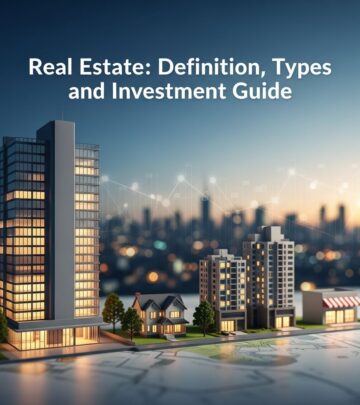
Mixed-use properties integrate residential, commercial, and sometimes other spaces into one development, offering a blend of living, working, and shopping conveniences that appeal to modern urban lifestyles.
Understanding Mixed-Use Developments
These properties combine at least two distinct functions, such as homes above shops or offices alongside apartments, creating self-contained communities that reduce commuting needs and foster walkability. Unlike single-use buildings, they span various scales, from a single structure to neighborhood-wide projects around transit hubs. This integration supports vibrant areas where residents access daily needs on foot, aligning with evolving preferences for convenience.
Key Types of Mixed-Use Properties
Mixed-use developments vary by design and layout, categorized mainly into vertical, horizontal, and hybrid forms.
- Vertical Mixed-Use: Different uses stack within one building, like retail on lower floors and residences above. This maximizes urban land efficiency.
- Horizontal Mixed-Use: Separate buildings or adjacent sites host varied functions, such as apartments near offices and stores in a complex.
- Transit-Oriented: Built near public transport, blending residences, retail, and offices to promote sustainable commuting.
- Main Street Style: Traditional setups with ground-floor businesses and upper-level homes, common in town centers.
- Live/Work: Spaces where inhabitants reside and operate businesses in the same unit, ideal for entrepreneurs.
These configurations cater to diverse needs, from compact city towers to sprawling lifestyle centers.
Advantages for Buyers and Investors
Mixed-use properties offer compelling benefits that enhance appeal and financial stability.
- Diversified Revenue: Multiple tenant types, like residents and retailers, create steady income streams, mitigating risks from market shifts.
- High Demand and Value Growth: Convenience drives tenant interest, boosting occupancy and property appreciation even in downturns.
- Community Vitality: Integrated amenities build lively neighborhoods, increasing long-term desirability.
- Economic Resilience: Varied uses buffer against sector-specific slumps, appealing to cautious investors.
Additionally, they promote sustainability by minimizing travel, aligning with urban planning trends.
Potential Drawbacks and Risks
Despite strengths, challenges exist that buyers must navigate.
| Challenge | Description | Impact |
|---|---|---|
| Noise and Activity | Commercial operations can generate disturbances for residents. | Affects livability in densely mixed setups. |
| Regulatory Hurdles | Strict zoning and permitting complicate development. | Increases costs and timelines. |
| Management Complexity | Coordinating shared systems like utilities demands agreements. | Raises operational expenses. |
| Higher Costs | Financing and construction often exceed single-use projects. | Requires larger capital outlay. |
Investors should assess local market dynamics to weigh these factors.
Zoning and Legal Frameworks
Mixed-use zoning permits multiple land uses in one area, fostering integrated communities. Categories include:
- Vertical Zoning: Allows stacking uses in a single structure.
- Horizontal Zoning: Supports complementary buildings nearby.
- Walkable Zoning: Encourages pedestrian-friendly blends of both.
Legal aspects involve subdivision, owner associations, and shared facility agreements for HVAC, security, and more. Compliance ensures smooth operations across ownership groups.
Financing Options for Buyers
Securing loans for mixed-use properties differs from standard homes due to their hybrid nature. Conventional mortgages may apply if residential units dominate, but commercial elements often require specialized lenders. Key considerations:
- Loan-to-Value Ratios: Typically lower for mixed-use due to perceived risk.
- Income Verification: Lenders evaluate rental potential from all units.
- Commercial Loans: For properties with significant business space, terms include shorter durations and higher rates.
- FHA/VA Limitations: Rarely cover substantial commercial components.
Buyers should consult lenders early, preparing detailed cash flow projections.
Investment Strategies and Market Trends
Popularity surges due to urban density, remote work shifts, and sustainability focus. Strategies include:
- Target high-traffic locations near transit for optimal tenancy.
- Analyze cap rates blending residential and commercial yields.
- Diversify with stable residential anchors.
Post-2020 trends show resilience, with values holding amid economic flux.
Real-World Examples
Urban main streets with shops below apartments exemplify enduring models. Modern transit hubs integrate offices, homes, and retail, drawing young professionals. Lifestyle complexes combine recreation and business, enhancing community appeal.
Frequently Asked Questions
What qualifies as a mixed-use property?
A property with combined residential and commercial (or other) uses, from single buildings to districts.
Can I use a residential mortgage for one?
Possibly, if residential dominates; otherwise, commercial financing applies.
How does mixed-use differ from mixed-commercial?
Mixed-use includes residential; mixed-commercial is purely business types like retail and offices.
Are they good investments?
Yes, due to diversified income and demand, though with higher management needs.
What zoning is required?
Specific mixed-use designations allowing vertical, horizontal, or walkable integrations.
Steps to Buy a Mixed-Use Property
- Research Local Zoning: Confirm allowances and restrictions.
- Assess Financials: Project incomes and expenses.
- Secure Pre-Approval: Shop lenders familiar with hybrids.
- Inspect Thoroughly: Check shared systems and compliance.
- Plan Management: Outline tenant and maintenance strategies.
This roadmap aids informed decisions in dynamic markets.
References
- A Guide to What is a Mixed-Use Commercial Property — CommLoan. 2023. https://www.commloan.com/research/mixed-use-commercial-property/
- Mastering Mixed-Use — NAI Southern Real Estate. 2023. https://www.srenc.com/mastering-mixed-use/
- A guide to investing in mixed-use properties — Rocket Mortgage. 2025-01-15. https://www.rocketmortgage.com/learn/mixed-use-property
- Understanding Mixed-Use Zoning in Commercial Real Estate — Blanchard and Calhoun. 2024. https://blanchardandcalhoun.com/blog/understanding-mixed-use-zoning-in-commercial-real-estate/
- Mixed-use property — Sharestates. 2023. https://sharestates.com/glossary/mixed-use-property/
- What is Mixed-Use Development? The Definition, Pros, and Cons — Apartment Advisor. 2024. https://www.apartmentadvisor.com/blog/post/what-is-mixed-use-development-the-definition-pros-and-cons-for-renters
- Legal Considerations for Mixed-Use Commercial Real Estate — LeVing Ginsburg. 2023. https://levinginsburg.com/legal-considerations-for-mixed-use-commercial-real-estate/
- What is a Mixed-Use Property and How Popular Are They? — Free Office Finder. 2024. https://www.freeofficefinder.com/article/popularity-of-mixed-use-properties
Similar Articles








Read full bio of Sneha Tete