Mixed Economy: Definition, Pros, Cons, and Examples
Understand mixed economies: balancing free markets with government intervention for sustainable growth.

What is a Mixed Economy?
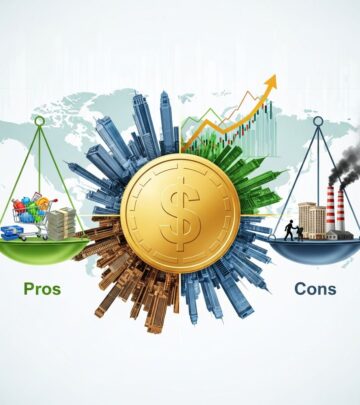
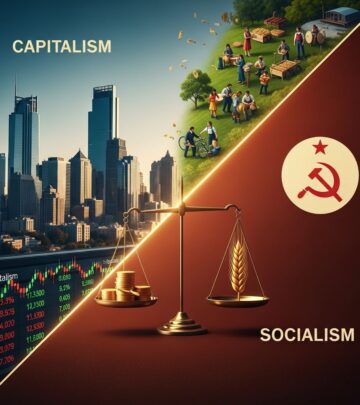
A mixed economy is a hybrid economic system that blends capitalism and socialism to establish a balance between free market principles and government intervention. This economic framework combines the efficiency and innovation incentives of capitalism with the social welfare protections and regulatory oversight of socialism. Unlike pure capitalism, where markets operate with minimal government involvement, or pure socialism, where the state controls most economic activity, a mixed economy allows both private enterprise and government to coexist and influence economic decisions.
The underlying philosophy of a mixed economy recognizes that neither capitalism nor socialism alone provides an ideal economic solution. Instead, policymakers and economists advocate for a pragmatic approach that leverages the strengths of both systems while mitigating their weaknesses. In a mixed economy, private individuals and businesses retain the right to own property, establish enterprises, and pursue profit, while the government simultaneously implements regulations, provides public services, and redistributes wealth to ensure social welfare and economic stability.
How Does a Mixed Economy Work?
The functioning of a mixed economy depends on striking the right balance between free market forces and government regulation. This balance varies significantly from country to country, reflecting different cultural values, historical circumstances, and policy priorities. The following mechanisms are central to how mixed economies operate:
Supply and Demand with Government Oversight
In a mixed economy, supply and demand forces primarily dictate the production and pricing of most goods and services. However, the government maintains regulatory authority and provides oversight through laws, policies, taxes, subsidies, and other interventions. This regulatory framework aims to foster social welfare, prevent monopolistic practices, and address market failures. For example, the government might impose price controls on essential goods, offer subsidies to struggling industries, or enforce environmental standards on polluting businesses.
Private Enterprise and Competition
The private sector forms the backbone of a mixed economy. Private businesses operated by individuals compete for customers in markets driven by profit incentives. This competition encourages innovation, efficiency, and consumer choice. Entrepreneurs have the freedom to establish businesses, make production decisions, and determine operating methods without excessive government interference. However, this freedom operates within a framework of government regulations designed to protect consumers, workers, and the environment.
Government Intervention and Public Goods
Governments in mixed economies play a crucial role in providing public goods and services that markets alone cannot efficiently deliver. These include education, healthcare, transportation infrastructure, national defense, and social security programs. Additionally, governments implement fiscal and monetary policies to maintain economic stability, reduce unemployment, control inflation, and prevent financial crises. Central banks, such as the Federal Reserve in the United States, manage interest rates and money supply to influence economic activity.
Economic Freedom with Social Responsibility
Mixed economies grant individuals and businesses considerable economic liberty to make production and investment decisions. Simultaneously, the government maintains oversight to ensure public safety, environmental conservation, labor rights, and consumer protection. This dual approach attempts to maximize individual economic opportunity while safeguarding collective welfare and preventing exploitation or market abuse.
Key Characteristics of Mixed Economies
Mixed economies share several defining features that distinguish them from pure market or planned economies:
Private Enterprise with Progressive Taxation
Individuals establish and operate businesses with the goal of generating profits. However, progressive tax systems and means-tested benefits reduce inequality and provide safety nets for vulnerable populations. Most businesses remain privately owned, though strategic sectors such as transportation, energy, and water utilities may feature state ownership or heavy regulation.
Market-Determined Prices with Selective Regulation
Prices are generally determined by market forces and the invisible hand of supply and demand. Nevertheless, governments may regulate certain goods and services. For instance, governments might impose higher taxes on cigarettes to discourage consumption, set maximum rent prices to control housing costs, or regulate utility rates to protect consumers from monopolistic pricing.
Government Regulation of Key Industries
Mixed economies feature regulatory bodies that oversee natural monopolies and essential services. Utilities like electricity, gas, and water supply typically face stringent government regulation because these services require significant infrastructure investment and cannot sustain competition efficiently. Governments also enforce antitrust laws to prevent monopolistic behavior and protect fair competition.
Social Welfare Systems
Employment standards, environmental protection policies, and mandatory social security programs characterize mixed economies. Governments establish minimum wage requirements, workplace safety standards, and environmental regulations to protect workers and the environment. Universal or subsidized healthcare and education systems ensure basic services reach all citizens regardless of income.
Advantages of Mixed Economies
Mixed economies offer several significant advantages that explain their widespread adoption globally:
Economic Efficiency and Innovation
The profit motive and competitive market forces incentivize businesses to operate efficiently, innovate, and develop new products and services. This drives technological advancement and economic growth. Unlike planned economies where innovation may stagnate, mixed economies harness entrepreneurial spirit and market competition to generate economic dynamism.
Individual Economic Freedom
Citizens and businesses enjoy substantial economic liberty to make decisions about production, investment, and consumption. This personal sovereignty empowers entrepreneurs to pursue opportunities and build wealth through their efforts. Private property ownership provides security and incentive for capital accumulation and productive investment.
Social Safety Nets and Reduced Inequality
Government intervention ensures that social safety nets protect vulnerable populations from destitution and extreme inequality. Progressive taxation redistributes wealth from higher earners to fund public services and welfare programs. This reduces poverty, improves social cohesion, and prevents the extreme wealth disparities that characterize unregulated capitalism.
Economic Stability and Responsiveness to Crises
Central governments and monetary authorities can implement fiscal and monetary policies to stabilize economies during downturns, prevent recessions, and manage inflation. The Federal Reserve and similar institutions can adjust interest rates, provide liquidity during financial crises, and implement stimulus measures to maintain employment and growth.
Access to Essential Services
Government provision or regulation of healthcare, education, transportation, and utilities ensures these essential services reach all citizens. Market forces alone might exclude low-income populations from these services, so government intervention guarantees universal access and affordability.
Disadvantages of Mixed Economies
Despite their advantages, mixed economies face inherent challenges and limitations:
Bureaucratic Inefficiency and Government Overreach
Excessive government intervention can lead to bureaucratic inefficiency, red tape, and waste. Government agencies may become bloated, slow-moving, and unresponsive to citizen needs. Over-regulation can stifle entrepreneurship, increase business compliance costs, and discourage investment and innovation.
Difficulty in Finding the Right Balance
Determining the optimal balance between free market forces and government intervention remains extraordinarily challenging. Too much government control can suppress innovation and economic growth, while too little can permit exploitation, environmental degradation, and inequality. Different nations struggle continuously to calibrate this balance correctly.
Inflation and Deficit Concerns
Extensive government spending to fund welfare programs and public services can contribute to inflation and budget deficits. If governments spend beyond their revenues through excessive borrowing, debt accumulates and may burden future generations. Inflation can erode savings and purchasing power, harming savers and fixed-income earners.
Market Distortions from Government Intervention
Subsidies, price controls, tariffs, and taxes, while well-intentioned, can distort market signals and create inefficiencies. Subsidies to particular industries may protect inefficient firms, tariffs can increase consumer prices, and price controls may lead to shortages or black markets. These interventions sometimes produce unintended negative consequences.
Political Ideology and Policy Inconsistency
The mix of capitalism and socialism in any economy reflects political ideology and power dynamics. Different political parties and leaders advocate varying degrees of intervention, leading to inconsistent policies that shift with election cycles. This uncertainty complicates long-term business planning and investment decisions.
Real-World Examples of Mixed Economies
Most modern economies operate as mixed systems, though the degree and nature of government intervention vary considerably:
United States
The United States operates a predominantly capitalist mixed economy with significant government intervention through regulation, social programs, and monetary policy. The Federal Reserve manages monetary policy, while the government provides Social Security, Medicare, and Medicaid. Regulatory agencies oversee industries from banking to aviation. However, the U.S. economy remains heavily weighted toward private enterprise and free markets compared to many other developed nations.
European Economies
Countries such as Germany, France, and Scandinavia feature mixed economies with more extensive government involvement than the United States. These nations maintain universal healthcare systems, generous welfare programs, strong labor protections, and higher tax rates. Despite greater government intervention, these economies remain capitalist with thriving private sectors and competitive markets.
China
China presents a different type of mixed economy, originating from a socialist base but increasingly incorporating market mechanisms. State-owned enterprises coexist with a burgeoning private sector. The government maintains significant control over strategic industries while allowing market competition in consumer goods and services. This model demonstrates how socialist economies can transition toward mixed systems.
Singapore and Vietnam
These Asian economies feature large state-owned enterprise sectors operating alongside dynamic private sectors. Governments maintain strategic control over key industries while allowing market competition in many sectors. These nations demonstrate how mixed economies can achieve rapid growth and development.
Frequently Asked Questions
Q: What is the main difference between a mixed economy and a pure market economy?
A: A pure market economy relies entirely on supply and demand with minimal government intervention, while a mixed economy combines market forces with government regulation, social programs, and strategic ownership of key industries. Mixed economies intervene to correct market failures and protect social welfare.
Q: Can a mixed economy transition to socialism or capitalism?
A: Yes, mixed economies can shift toward either extreme depending on political changes. Policies advocating more government control move toward socialism, while deregulation and privatization move toward capitalism. Most nations continuously adjust their economic mix based on political ideology and economic performance.
Q: Why do most modern economies adopt mixed economic systems?
A: Mixed economies offer pragmatic solutions that leverage advantages from both capitalism and socialism. They promote innovation and growth through market competition while protecting citizens through regulation and social safety nets, making them appealing to most contemporary nations.
Q: How does government intervention prevent economic crises in mixed economies?
A: Central banks manage monetary policy through interest rate adjustments and money supply control. Governments implement stimulus spending during recessions, regulate banking systems to prevent excessive risk, and enforce consumer protections to prevent market manipulation and fraud.
Q: What role do taxes play in mixed economies?
A: Taxes fund government services, social programs, and infrastructure. Progressive tax systems redistribute wealth from higher earners to lower earners through welfare programs. Taxes also serve as policy tools—governments may tax harmful goods like cigarettes to discourage consumption or offer tax incentives to encourage desired behaviors.
References
- Mixed Economy — Wall Street Prep. 2025. https://www.wallstreetprep.com/knowledge/mixed-economy/
- Mixed Economy – Economics Help — Economics Help. 2025. https://www.economicshelp.org/blog/glossary/mixed-economy/
- Mixed Economy — Britannica. 2025. https://www.britannica.com/money/mixed-economy
- Mixed Economy — Wikipedia. 2025. https://en.wikipedia.org/wiki/Mixed_economy
- Mixed Economic System – Overview, How It Works, Pros and Cons — Corporate Finance Institute. 2025. https://corporatefinanceinstitute.com/resources/economics/mixed-economic-system/
- Reading: Mixed Economies — Lumen Learning. 2025. https://courses.lumenlearning.com/suny-fmcc-internationalbusiness/chapter/reading-mixed-economies/
- Mixed Economy Guide: 7 Characteristics of a Mixed Economy — MasterClass. 2025. https://www.masterclass.com/articles/mixed-economy-guide
Similar Articles








Read full bio of medha deb