Missouri State University Springfield: Programs, Campus & Student Life
Explore Missouri State University's academic excellence, vibrant campus life, and career opportunities in Springfield.
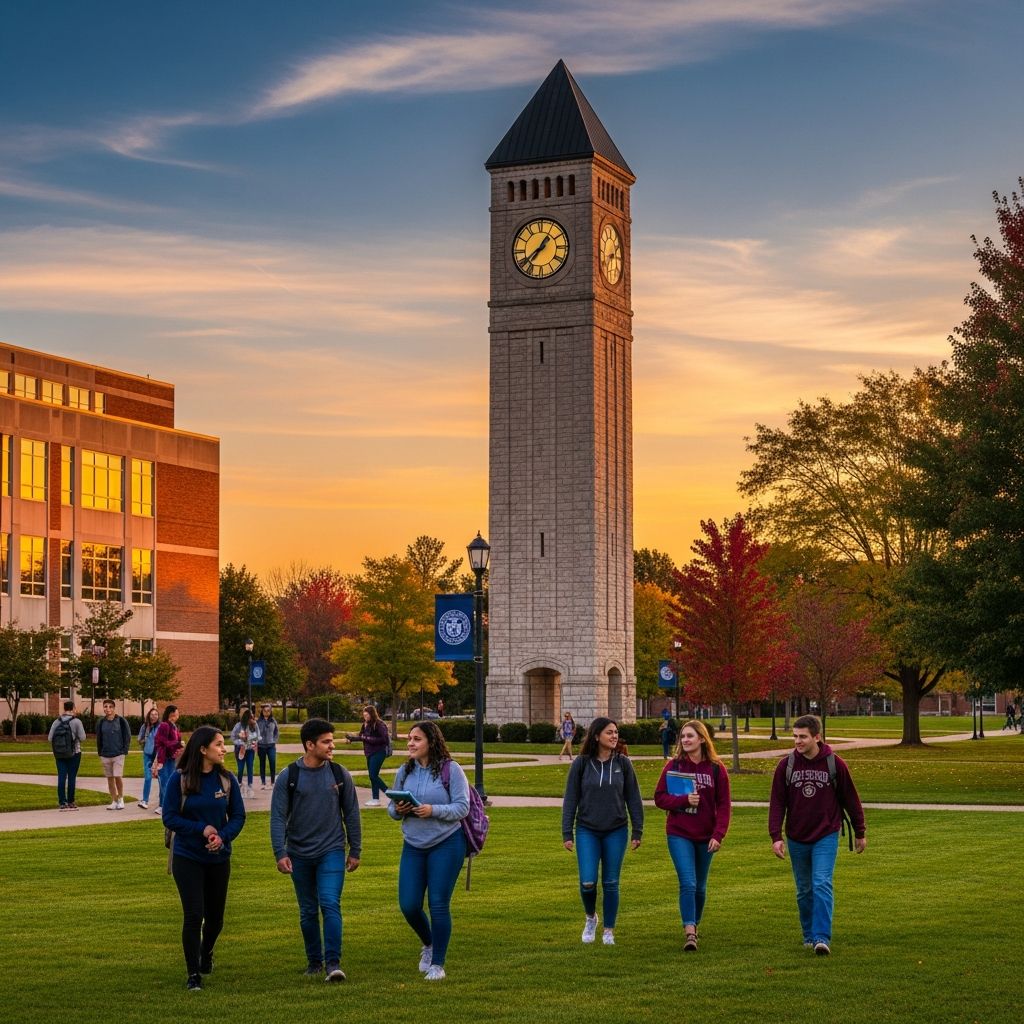
Missouri State University (MSU), located in Springfield, Missouri, stands as a premier public research institution committed to preparing students for success in their chosen careers and communities. Founded in 1905 as the Fourth District Normal School, Missouri State has evolved into the state’s second-largest university by enrollment, welcoming over 23,000 students annually to its vibrant campus. The university offers a comprehensive range of academic programs, modern facilities, and a supportive learning environment that attracts students from across the nation and around the world.
About Missouri State University
Missouri State University represents a significant educational institution in the Midwest, combining strong academics with a commitment to student success. Located in Springfield, known as the “Queen of the Ozarks,” the university benefits from its position in a thriving commercial hub with major employers in healthcare, education, automotive parts, and food processing. The university’s strategic location provides students with internship opportunities, networking possibilities, and career advancement options while maintaining the charm of a vibrant mid-sized city.
As a comprehensive research institution, Missouri State serves a diverse student body and offers extensive resources for academic and personal development. The university’s commitment to excellence is reflected in its 92% post-graduation success rate, with Bears reporting successful employment or continued education outcomes within six months of graduation. This strong track record demonstrates the institution’s effectiveness in preparing students for real-world challenges and opportunities.
Academic Programs and Offerings
Missouri State University distinguishes itself through an extensive portfolio of 170+ undergraduate majors and numerous graduate programs spanning multiple disciplines. The university is classified among “Doctoral Universities,” indicating its commitment to advanced research and scholarly pursuits alongside undergraduate education. The diverse academic offerings cater to varied student interests and career aspirations.
College Structure and Divisions
The university organizes its academic programs across several distinguished colleges and divisions:
- Reynolds College of Arts, Social Sciences, and Humanities (RCASH)
- College of Business
- College of Education
- McQueary College of Health and Human Services
- College of Natural and Applied Sciences
- William H. Darr College of Agriculture
- Missouri State Outreach and Online Programs
- Graduate School
This comprehensive structure allows students to pursue specialized degrees while maintaining flexibility to explore interdisciplinary coursework. Each college maintains high academic standards and provides specialized faculty mentorship within respective fields.
Degree Production and Faculty Excellence
The university demonstrates significant academic productivity, awarding 4,404 degrees during the 2022 fiscal year across undergraduate and graduate levels. The Springfield campus employs 721 full-time instructional faculty members, with 46% female representation and 60% tenure-track faculty, ensuring stability and expertise in the classroom. Faculty members emphasize critical thinking development and practical application of knowledge rather than rote memorization. Learning centers and tutoring opportunities support students throughout their academic journey, contributing to strong retention and graduation rates.
Campus Facilities and Infrastructure
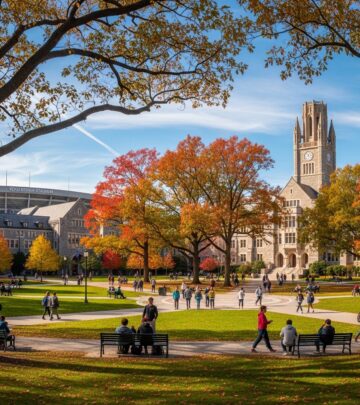
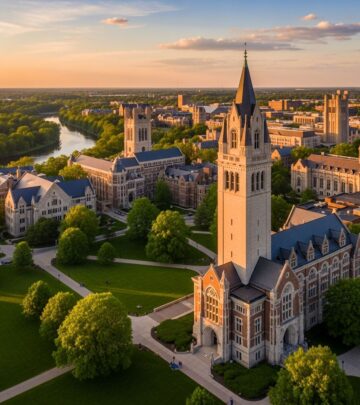
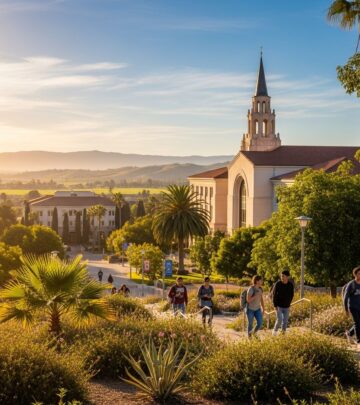
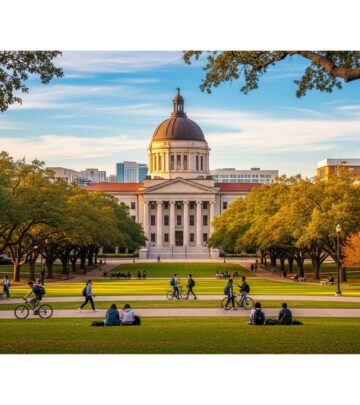
Missouri State’s main campus spans 225 acres in central Springfield, featuring over 40 buildings that blend historic architecture with modern academic facilities. The campus design promotes community engagement while maintaining a scale that remains navigable for students. Bounded by National Avenue to the east, Kimbrough Avenue to the west, Elm Street to the north, and Grand Street to the south, the campus serves as an active hub for learning, research, and social interaction.
Juanita K. Hammons Hall for the Performing Arts
One of the campus’s most distinctive features is the Juanita K. Hammons Hall for the Performing Arts, a 2,220-seat center located in the northwest corner of campus. This state-of-the-art facility hosts university music, dance, and theatre department performances while serving as home to the Springfield Symphony Orchestra. As the Springfield area’s premier performance venue, it presents regular touring companies and individual performers of national prominence, enriching campus culture and community engagement.
Transportation and Campus Accessibility
The university operates an extensive free shuttle system serving students and visitors throughout campus and the surrounding area. This comprehensive transportation network, combined with Springfield’s public bus system, ensures accessibility and promotes student mobility. The convenient shuttle system reduces parking pressures and encourages campus exploration among the student body.
Student Life and Campus Culture
Life beyond the classroom at Missouri State encompasses a vibrant community of engaged students and meaningful traditions. The university cultivates a welcoming environment where students develop connections, explore interests, and build lasting memories. Campus traditions such as Fountain Day provide opportunities for communal celebration and school spirit development.
Student Organizations and Involvement
Missouri State students can participate in nearly 300 student organizations spanning diverse interests, from academic and professional clubs to recreational and cultural groups. This extensive portfolio of organizations enables students to pursue passions, develop leadership skills, and build networks within their communities of interest. Whether students seek service opportunities, hobby-based groups, or professional development organizations, Missouri State provides abundant options for meaningful involvement.
Social Activities and Community Engagement
The social landscape at Missouri State includes fraternities, sororities, intramural sports, and club athletic teams including rugby and spirit squads. Students report strong school spirit and enthusiastic participation in athletic events. The campus community demonstrates inclusive values while celebrating diverse perspectives and backgrounds. Springfield itself offers complementary entertainment, dining, and cultural options that enhance student experiences and provide off-campus recreation opportunities.
Campus Safety and Support Systems
The university prioritizes student safety through robust campus security measures, including a dedicated police force and comprehensive shuttle service. On-campus environments benefit from strong security presence and reliable transportation, contributing to a secure atmosphere for student activities. While students note some safety concerns in certain off-campus areas, particularly at night, university support systems and protocols help mitigate risks and promote responsible community engagement.
Academic Quality and Student Support
Missouri State emphasizes pedagogical excellence and student-centered learning approaches. The university maintains a student-to-faculty ratio of 21:1, allowing for meaningful interaction and mentorship opportunities. Professors in most programs employ teaching methodologies that prioritize critical thinking development and practical skill application.
Online Learning and Flexible Options
Recognizing diverse student needs, Missouri State offers robust online learning options through Missouri State Online. Students report that online classes are generally well-organized and user-friendly, with professors providing clear deadlines and accessible course materials. The university has adapted its digital infrastructure and teaching methods to support distance learners effectively. However, some students indicate that communication in certain online courses could be improved, prompting ongoing refinement of virtual learning experiences.
Admissions Profile and Student Demographics
Missouri State attracts students with varied academic backgrounds. Standardized test scores for enrolled students reflect this diversity, with ACT score distributions showing:
| ACT Score Range | Percentage of Students |
|---|---|
| 30-36 | 8% |
| 24-29 | 31% |
| 18-23 | 47% |
| 12-17 | 14% |
Similarly, high school class rank distribution demonstrates the institution’s holistic admission approach, with students representing all academic achievement levels.
Career Outcomes and Alumni Success
Missouri State maintains an impressive 92% post-graduation success rate, with Bears reporting successful outcomes within six months of graduation. This figure encompasses employment in career-relevant positions, further education pursuits, and other achievement milestones. The university’s emphasis on practical application, internship opportunities, and employer partnerships contributes significantly to strong career outcomes.
Springfield’s thriving business environment provides students with internship and networking opportunities across multiple industries. The city’s diverse economy enables students to gain real-world experience while establishing professional relationships that often lead to full-time employment following graduation.
Student Media and Campus Communication
Missouri State maintains a robust student media ecosystem that provides authentic campus journalism and amplifies student voices. The Standard, the university’s student-run newspaper, delivers consistent online coverage of campus news and Springfield-area developments. The publication releases multiple print editions each semester, including specialized issues addressing topics like student housing. Student staff create diverse online content including podcasts and broadcast journalism projects.
Ozarks News Journal, a half-hour public affairs television magazine produced by broadcast journalism students, airs weekly during fall and spring semesters on local cable programming. These media opportunities provide valuable experiential learning while serving the campus community with relevant information and diverse perspectives.
Academic Excellence and Teaching Philosophy
Missouri State distinguishes itself through intentional pedagogical approaches that prioritize meaningful learning. The university emphasizes development of critical thinking skills across all disciplines rather than emphasizing information memorization alone. In most majors, academic rigor strikes a balance—coursework proves moderately challenging without overwhelming students with unrealistic demands.
Faculty members bring expertise and passion to their teaching, mentoring students in their respective fields and modeling scholarly engagement. The emphasis on mentorship and guided learning ensures that students receive individualized attention and support throughout their academic journeys.
Location and Community Context
Springfield, Missouri, offers Missouri State students a distinctive college experience that combines small-town characteristics with urban amenities. Known as the “Queen of the Ozarks” and recognized as the birthplace of Route 66, the city provides cultural heritage and historical significance alongside modern commercial development. The location near major metropolitan areas including St. Louis and Kansas City offers additional cultural resources and employment prospects.
The city’s affordable cost of living, diverse entertainment options, and welcoming community atmosphere contribute to positive student experiences. Students frequently cite Springfield’s appeal as a destination that balances the advantages of college-town life with access to urban resources and opportunities.
Frequently Asked Questions
Q: What makes Missouri State University distinct from other universities in Missouri?
A: Missouri State distinguishes itself through its comprehensive range of 170+ academic programs, vibrant campus community with nearly 300 student organizations, strong post-graduation success rate of 92%, and strategic location in Springfield providing internship and career opportunities. As the state’s second-largest university, MSU combines resources and research opportunities with a welcoming, personalized learning environment.
Q: What support services are available for struggling students?
A: Missouri State offers learning centers, tutoring opportunities, and academic support services to help students succeed. Faculty mentorship, peer study groups, and supplemental instruction are available across disciplines. The university emphasizes critical thinking development and provides resources to address specific academic challenges students may encounter.
Q: How does Missouri State prepare students for post-graduation careers?
A: The university’s 92% post-graduation success rate reflects its emphasis on practical application, internship opportunities, and employer partnerships. Springfield’s diverse business community provides experiential learning opportunities, and faculty members maintain industry connections that facilitate student networking and employment placement.
Q: What is the campus environment like for first-year students?
A: First-year students join a welcoming campus community with extensive orientation programs, residence hall communities, and peer mentoring systems. The campus offers free shuttle transportation, abundant student organizations, and established traditions like Fountain Day that facilitate integration into the Bears community.
Q: Are there online learning options available at Missouri State?
A: Yes, Missouri State Online offers comprehensive distance learning opportunities with well-organized courses, accessible materials, and clear deadlines. While some students note room for improvement in online communication, the program provides flexibility for students balancing academic pursuits with other commitments.
Q: What is the average class size at Missouri State University?
A: With a student-to-faculty ratio of 21:1, Missouri State maintains reasonable class sizes that enable meaningful student-faculty interaction. Average class sizes vary by course level and discipline, with introductory courses sometimes larger and upper-level seminars typically smaller, allowing for more personalized instruction.
References
- Missouri State University – Wikipedia — Wikimedia Foundation. Accessed November 2025. https://en.wikipedia.org/wiki/Missouri_State_University
- Missouri State University Overview — Magellan Exchange. Accessed November 2025. https://www.magellanexchange.org/institutions/missouri-state-university/
- University Overview – Bear Intelligence — Missouri State University. Accessed November 2025. https://www.missouristate.edu/Data/universityoverview.htm
- Missouri State University College Profile — Niche. Accessed November 2025. https://www.niche.com/colleges/missouri-state-university/
- Missouri State University – Springfield School Summary — Texas Career Check. Accessed November 2025. https://texascareercheck.com/SchoolInfo/SchoolSummary/8775/
- Missouri State University College Rankings — The Princeton Review. Accessed November 2025. https://www.princetonreview.com/college/missouri-state-university-1022640
Similar Articles








Read full bio of Sneha Tete