Missing Mortgage Payments: Risks and Remedies
Discover the timeline of missed mortgage payments, severe financial repercussions, and practical steps to safeguard your home and credit.

Homeownership represents a major financial commitment, and maintaining timely mortgage payments is essential to preserving that investment. When financial difficulties arise, even a single missed payment can initiate a cascade of events affecting your credit, finances, and property ownership. This comprehensive guide outlines the sequential impacts of delinquency, long-term consequences, and proactive solutions available to borrowers facing payment challenges.
Understanding Mortgage Delinquency Stages
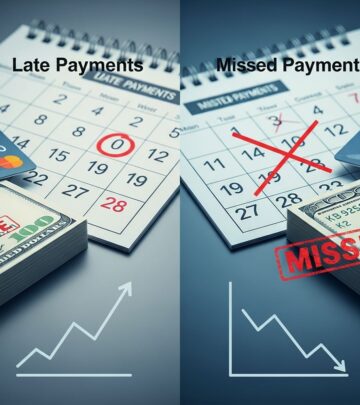
Mortgage delinquency progresses through defined stages, each triggering specific lender actions and borrower obligations. Most loans include a grace period, typically 15 days after the due date, during which payments can be made without penalty. Beyond this window, late fees apply, and reporting to credit bureaus begins.
- Day 1-15 (Grace Period): No penalties; contact lender early if issues anticipated.
- Day 16-30: Late fees assessed (often 4-5% of payment); internal lender records note delinquency.
- Day 31-60: Delinquency reported to credit bureaus, potentially dropping scores by 50-100 points.
- Day 61-90: Lender sends demand letters; additional fees accrue.
- Day 91+: Notice of default issued, marking formal entry into default status.
These timelines can vary by lender and state regulations, but consistent patterns emerge across the industry. Early intervention during the grace period maximizes options for resolution.
Immediate Financial Penalties and Charges
Missing payments incurs direct costs that compound quickly. Late fees average $30-$50 per missed payment but can reach 5% of the principal and interest due. If payments remain outstanding, lenders add inspection fees, force-placed insurance premiums, and legal costs, potentially increasing the delinquency balance by hundreds monthly.
| Delinquency Period | Typical Fees | Cumulative Impact |
|---|---|---|
| 30 Days | Late fee + reporting | $50-$100 |
| 60 Days | Additional late fee + inspections | $200-$400 |
| 90+ Days | Legal notices + force insurance | $1,000+ |
These charges must be paid alongside overdue principal, interest, and escrow to reinstate the loan, creating a growing barrier to catching up.
Credit Score Damage: Short and Long-Term Effects
Payment history comprises 35% of FICO scores, making mortgage delinquencies particularly damaging. A 30-day late payment reduces scores by an average of 51 points; 90-day delinquencies cause steeper declines, often 100+ points. Foreclosure notations linger for seven years, severely limiting access to new credit, rentals, and utilities.
Post-default recovery is slow: scores may rebound partially within two years with positive payment history elsewhere, but full restoration takes longer. Borrowers face higher interest rates (2-4% premiums) on future loans and frequent denials.
Transition from Delinquency to Default
Default occurs when borrowers fail to cure delinquency after multiple months, typically 90-120 days. Lenders issue a formal notice of default, outlining the breach (e.g., non-payment) and a cure period, often 30 days. Failure to comply accelerates the loan balance, demanding full repayment.
Default triggers intensified lender monitoring, including property inspections and breach notifications. Unlike simple delinquency, default invokes contractual remedies, escalating toward property seizure.
Foreclosure Process: Timeline and Variations
Foreclosure is the legal mechanism for lenders to reclaim and sell properties securing unpaid loans. Processes differ by state: judicial (court-supervised) in 21 states versus non-judicial (trustee-led) in others. Timelines range from 3-12 months post-default.
- Notice of Default: Filed publicly; cure window provided.
- Preforeclosure: Opportunity to reinstate or negotiate; lis pendens recorded.
- Auction/Sale: Property sold; borrower evicted if unpaid.
- Post-Sale: Potential deficiency judgments in recourse states.
Homeowners receive multiple notices, but inaction leads to auction. Federal Housing Finance Agency data shows foreclosure starts typically follow 120 days delinquency.
Beyond Financial Loss: Legal and Tax Implications
Foreclosure extends repercussions. In recourse states, lenders pursue deficiency judgments for sale shortfalls, leading to lawsuits and wage garnishments. Tax authorities treat forgiven debt as income, potentially adding IRS liabilities unless exempted (e.g., via insolvency).
Rental challenges arise as landlords scrutinize credit reports, often rejecting applicants with recent defaults. Employment in finance sectors may also suffer due to background checks.
Government and Lender Relief Programs
Federal initiatives provide pathways to avoid worst outcomes. FHA/VA loans offer partial claims or forbearance; conventional loans qualify for Fannie Mae/Freddie Mac flex modifications.
- Forbearance: Temporary payment pauses (3-12 months), repayable via lump sum or plan.
- Loan Modification: Permanent terms adjustments (lower rates, extended terms).
- Repayment Plans: Spread arrears over 12-24 months.
- Short Sale/Deed-in-Lieu: Alternatives to foreclosure with less credit harm.
Eligibility requires documented hardship (job loss, medical issues); apply via servicers promptly.
Strategies to Prevent and Resolve Delinquency
Proactive steps mitigate damage:
- Contact servicer immediately upon hardship—before grace period ends.
- Explore personal savings, family assistance, or refinancing if equity exists.
- Utilize HUD-approved counselors for free guidance (hud.gov).
- Prioritize mortgage over other debts due to home loss risk.
Maintaining escrow for taxes/insurance prevents additional defaults.
State-Specific Considerations and Protections
Laws vary: California mandates 90-day pre-foreclosure contact; New York requires judicial oversight. Right-to-cure periods range 30-90 days. Research state attorney general resources or consult local housing authorities for tailored rules.
Frequently Asked Questions
How many payments can I miss before foreclosure?
Typically four (120 days), but lenders prefer resolution and offer notices beforehand.
Does missing one payment ruin credit?
It reports after 30 days, causing initial damage; multiple misses worsen impact.
Can I reinstate after default notice?
Yes, during cure periods by paying all arrears plus fees.
What if I can’t afford modification?
Consider short sale or deed-in-lieu to minimize credit harm.
Who regulates mortgage servicers?
CFPB oversees complaints; file at consumerfinance.gov.
Building Resilience Post-Delinquency
Recovery involves secured credit cards, on-time utility payments, and budgeting. Long-term, aim for emergency funds covering 3-6 months housing costs. Homeownership counseling builds sustainable habits.
Understanding these dynamics empowers borrowers to act decisively, preserving equity and financial stability amid challenges.
References
- Mortgage Default, Fully Explained — Chase Bank. 2023. https://www.chase.com/personal/mortgage/education/owning-a-home/mortgage-default
- Mortgage Default: What It Is and How To Avoid It — Freedom Mortgage. 2024. https://www.freedommortgage.com/learning-center/articles/mortgage-default
- What Really Happens if You Default on a Mortgage? — SmartAsset. 2023. https://smartasset.com/mortgage/what-really-happens-if-you-default-on-a-mortgage
- Trouble Paying Your Mortgage or Facing Foreclosure? — Federal Trade Commission (FTC.gov). 2024. https://consumer.ftc.gov/trouble-paying-your-mortgage-or-facing-foreclosure
- What Happens When You Miss a Mortgage Payment? — Bankrate. 2025-02-01. https://www.bankrate.com/mortgages/how-many-mortgage-payments-can-i-miss/
- Mortgage default: Everything you need to know — Rocket Mortgage. 2024. https://www.rocketmortgage.com/learn/mortgage-default
Similar Articles








Read full bio of medha deb