Minimum Payments: The Hidden Cost of Credit Card Debt
Discover why sticking to credit card minimum payments can trap you in debt for years, inflate your costs, and harm your financial future.

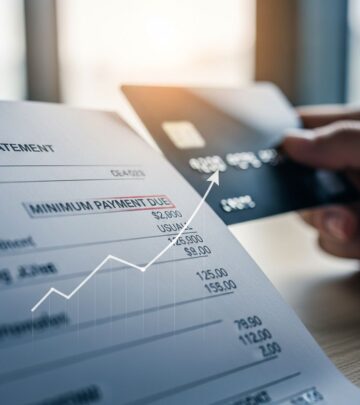
Paying just the minimum amount required on your credit card might seem like a lifeline during tight budgets, but it often leads to a prolonged cycle of debt accumulation. This practice primarily benefits issuers by generating ongoing interest revenue while leaving cardholders with escalating financial burdens.
Understanding Credit Card Minimum Payments
Credit card companies calculate minimum payments as either a fixed dollar amount, like $25 or $40, or a small percentage of your balancetypically 1% to 3%whichever is higher, plus fees and interest. This structure ensures accounts stay current without significantly reducing principal.
While it prevents immediate penalties, the bulk of each payment covers interest rather than the owed amount. For instance, on a $2,873 balance, minimum payments could stretch repayment over 11 years, adding thousands in extra costs. Statements often include warnings projecting these timelines to highlight the inefficiency.
Why Interest Charges Skyrocket Over Time
Credit cards carry average APRs around 23%, with some retail cards nearing 30%. When you pay only the minimum, the remaining balance accrues interest monthly, compounding the debt.
Most of your payment services interest first, leaving principal largely untouched. A $2,873 balance at standard rates could incur over $6,299 in interest alone if minimums are followed, tripling the original debt’s cost. Continuous new charges exacerbate this, creating a snowball effect where debt grows faster than it’s reduced.
| Balance | Minimum Payment Example | Time to Pay Off | Total Interest |
|---|---|---|---|
| $2,873 | ~2% of balance | 11 years | $6,299 |
| $5,000 | $100/month | 30+ years | $15,000+ |
| $1,000 | $25/month | ~5 years | $800 |
This table illustrates hypothetical scenarios based on typical rates; actual outcomes vary by APR and payment habits.
The Extended Repayment Timeline Trap
Minimum payments are engineered to maximize longevity of debt. At 2-3% of balance, they barely dent principal, potentially turning a short-term purchase into decades-long obligation.
A $100 dinner could cost $200+ after interest, and items like electronics may obsolete before payoff. This distortion warps purchasing power, as today’s spending haunts future budgets indefinitely.
Credit Utilization and Score Damage
Credit utilizationyour used credit versus limitscomprises 30% of FICO scores. Minimum payments keep balances high, pushing utilization over 30%, a threshold signaling risk to lenders.
Prolonged high utilization lowers scores, complicating approvals for loans, apartments, or jobs. Employers and landlords often check credit, amplifying personal repercussions.
- Positive side: On-time minimums build payment history.
- Negative side: High balances erode utilization benefits.
Vulnerability to Unexpected Crises
High balances from minimum payments erode financial buffers. Emergencies like repairs or job loss force reliance on high-interest debt, spiraling problems.
Without aggressive payoff, flexibility vanishes, heightening bankruptcy risks in extremes.
Opportunity Costs to Long-Term Goals
Interest dollars diverted from savings delay milestones: retirement, homes, or emergencies. Compounding works against you, as missed investment growth accumulates losses.
Prioritizing minimums sacrifices wealth-building potential, perpetuating dependency on credit.
Risks of Falling Short on Minimums
Paying less than required triggers late fees ($30-40 typically), potential APR hikes to penalty rates, and larger future minimums.
Delays over 30 days report to bureaus, damaging scores severely at 60-90 days. Prompt issuer contact might waive first offenses.
Strategies to Escape the Minimum Payment Cycle
- Pay more than minimum: Direct extra toward principal for faster reduction.
- Debt snowball/avalanche: Target smallest/highest-interest debts first.
- Balance transfers: Move to 0% APR cards temporarily.
- Budget adjustments: Cut expenses to allocate more to debt.
- Seek assistance: Nonprofit counseling or hardship programs.
Tools like interest calculators help project payoffs, motivating action.
Building Better Financial Habits
Track spending, set autopay above minimums, and aim for full monthly payoffs. Understanding statements’ warnings empowers informed choices.
Improving utilization below 30% boosts scores quickly, opening better terms.
FAQs
What is a credit card minimum payment?
It’s the lowest amount to keep your account current, usually 1-3% of balance plus interest/fees.
Does paying minimum hurt credit?
Yes, via high utilization; on-time payments help history but not enough to offset.
How much extra should I pay?
Even $10-20 above minimum accelerates payoff significantly over time.
What if I can’t afford more?
Contact issuer for plans; avoid new charges.
Can minimum payments ever be okay?
Temporarily during hardship, but not long-term to prevent debt growth.
References
- What Happens If I Pay Only the Minimum on My Credit Card? — NerdWallet. 2023. https://www.nerdwallet.com/credit-cards/learn/minimum-payment-credit-card
- 5 risks of just making minimum credit card payments — CBS News. 2023. https://www.cbsnews.com/news/risks-of-making-just-the-minimum-payments-on-your-credit-cards/
- What to Know About A Credit Card Minimum Payment — College Ave. 2023. https://www.collegeave.com/articles/credit-card-minimum-payments/
- Credit Card Minimum Payments: What to Know — Capital One. 2023. https://www.capitalone.com/learn-grow/money-management/credit-card-minimum-pay-explained/
- 10 Things to Know About Credit Card Minimum Payments — CareCredit. 2023. https://www.carecredit.com/well-u/financial-health/credit-card-minimum-payments/
Similar Articles








Read full bio of Sneha Tete