Minimizing Taxes on Your Retirement Savings
Learn practical strategies to reduce taxes on retirement savings and keep more of what you’ve worked hard to accumulate.

Taxes can significantly reduce how much of your retirement savings you ultimately get to spend. By planning ahead and understanding how different accounts and strategies are taxed, you can keep more of your money working for you throughout retirement.
Why Taxes Matter So Much for Retirement Savings
Retirement usually means shifting from saving to spending, but your tax bill does not disappear. In many cases, retirees find that their tax bracket is not as low as they expected, especially when required minimum distributions (RMDs), Social Security, pensions, and investment income are all added together. Thoughtful tax planning can reduce lifetime tax costs and help your savings last longer.
- Most retirement accounts are tax-advantaged, but not tax-free.
- The timing and source of withdrawals can push you into higher tax brackets.
- Strategic planning can reduce taxes on Social Security and lower Medicare-related costs tied to income.
The goal is not just to reduce taxes this year, but to lower the total taxes you pay over your whole retirement.
Understanding How Different Retirement Accounts Are Taxed
Choosing where to save—and later where to withdraw from—starts with understanding how each major retirement account type is taxed.
| Account Type | Contributions | Growth | Withdrawals in Retirement | RMDs? |
|---|---|---|---|---|
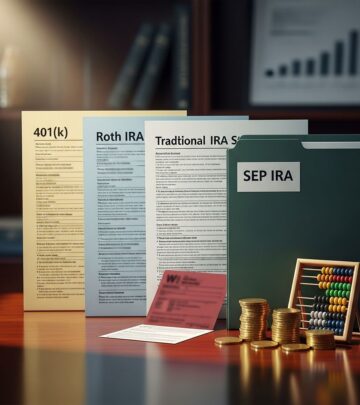
| Traditional 401(k)/403(b)/IRA | Usually pre-tax; reduce taxable income in contribution year | Tax-deferred (no tax each year) | Taxed as ordinary income when withdrawn | Yes, RMDs apply starting at the applicable age |
| Roth 401(k)/Roth IRA | After-tax; no deduction now | Grows tax-free | Qualified withdrawals are tax-free | Roth IRA: No RMDs; Roth 401(k): RMDs unless rolled to Roth IRA |
| Taxable brokerage account | After-tax; no deduction | Taxed yearly on dividends, interest, realized capital gains | Long-term gains may get preferential rates | No RMDs |
Each account offers different tax trade-offs. Blending them thoughtfully can give you more flexibility in retirement.
Building Tax Efficiency While You’re Still Working
Effective tax planning for retirement starts well before your last day on the job. The choices you make about saving, investing, and account types can greatly influence future tax bills.
Maximize Tax-Advantaged Contributions
If you are still working, one of the most powerful steps is to maximize contributions to tax-advantaged retirement accounts.
- Traditional 401(k) or 403(b): Contributions reduce your current taxable income, potentially keeping you in a lower tax bracket today.
- Traditional IRA: You may be able to deduct contributions, depending on your income and workplace plan coverage.
- Health Savings Account (HSA): If eligible, contributions are pre-tax, grow tax-deferred, and can be withdrawn tax-free for qualified medical expenses.
In your 50s and 60s, catch-up contributions allow you to put additional money into many retirement plans, enhancing both savings and current tax benefits.
Consider Roth Contributions or Conversions
Roth accounts can provide future tax-free income and help you manage tax brackets later in life.
- Roth contributions do not reduce today’s taxes, but future qualified withdrawals are tax-free.
- Roth conversions move money from pre-tax accounts to Roth accounts; you pay tax on the conversion now in exchange for potential tax-free withdrawals later.
Roth strategies may be attractive if you expect to be in a similar or higher tax bracket in retirement, or if you want more flexibility for future withdrawals.
Use Tax-Efficient Investments in Taxable Accounts
How you invest in taxable accounts also affects your lifetime tax bill.
- Favor investments that generate qualified dividends and long-term capital gains, which may be taxed at preferential rates.
- Limit frequent trading that triggers short-term capital gains, which are typically taxed at ordinary income rates.
- Consider municipal bonds if appropriate for your situation, as interest may be exempt from federal (and sometimes state) income tax.
Tax-efficient investing can reduce annual drag on returns, leaving more compounding over time.
Planning Tax-Efficient Withdrawals in Retirement
Once you retire, your withdrawal strategy becomes one of the most important tools for managing taxes. A smart plan focuses on the order and amount of withdrawals from different accounts.
Traditional vs. Proportional Withdrawal Strategies
A common, simple approach is to withdraw from accounts in sequence—taxable first, then tax-deferred, then Roth. However, this can create a tax spike later when you are forced to draw heavily from tax-deferred accounts.
Research suggests that a proportional withdrawal strategy—taking some money each year from taxable, tax-deferred, and tax-free accounts—can spread taxable income more evenly, often lowering total taxes and extending portfolio life.
- Withdrawing only from taxable accounts early can preserve tax-deferred balances but may trigger large RMDs later.
- Proportional withdrawals can reduce future bracket jumps and lower taxes on Social Security and Medicare-related surcharges.
Coordinating Withdrawals With Social Security and Other Income
The timing of Social Security benefits can interact with your withdrawal plan and impact your tax bill.
- A portion of Social Security benefits can become taxable, depending on your overall income.
- Drawing from Roth accounts or taxable principal instead of fully taxable withdrawals in some years may help keep more of your Social Security tax-free.
Pensions, annuities, and part-time work also add taxable income, so they should be considered alongside your withdrawal strategy.
Managing Required Minimum Distributions (RMDs)
Once you reach the age at which RMDs apply, you must withdraw at least a minimum amount each year from most traditional retirement accounts, or face substantial penalties.
- Large pre-tax balances can lead to large RMDs, potentially pushing you into higher tax brackets.
- Roth conversions in the years just before RMDs start can reduce future RMDs and give you more tax-free income later.
- If you do not need all RMD income, you can reinvest after-tax amounts in taxable accounts.
Thoughtful planning for RMDs helps smooth income over time and may reduce lifetime taxes.
Additional Ways to Reduce Taxes on Retirement Income
Beyond basic account and withdrawal choices, several additional strategies can further reduce taxes on retirement savings.
Tax-Loss Harvesting
In taxable accounts, selling investments that are below your purchase price can create capital losses. These losses can offset capital gains, and if losses exceed gains, they may offset a limited amount of ordinary income each year.
- Realized capital losses can offset realized capital gains dollar for dollar.
- Excess losses can offset up to a specified amount of ordinary income annually, with remaining losses carried forward.
- You must avoid repurchasing substantially identical securities within the restricted window to comply with the wash sale rule.
Used carefully, tax-loss harvesting can reduce taxable income and improve after-tax returns over time.
Charitable Giving Strategies
If you plan to make charitable gifts, certain methods can produce both philanthropic and tax benefits.
- Donating appreciated securities held more than one year may provide a deduction based on the fair market value while avoiding capital gains tax.
- Once RMDs begin, qualified charitable distributions (QCDs) from IRAs, where allowed, can count toward RMDs and may keep that income from increasing your adjusted gross income.
Integrating charitable giving into your retirement income plan can support causes you care about while managing tax exposure.
Coordinating Taxes With Health and Medicare Costs
Your income in retirement can affect not only income taxes but also premiums for certain Medicare coverage. Higher income may trigger additional surcharges on some Medicare parts.
- Roth conversions and large one-time withdrawals can increase income for a given year, potentially raising future Medicare premiums.
- Spreading income more evenly can help keep you below thresholds that trigger surcharges.
Considering health and Medicare costs along with income taxes provides a more complete picture of total retirement expenses.
Creating a Tax-Diversified Retirement Plan
Tax diversification means building a mix of account types—taxable, tax-deferred, and tax-free—so you have flexibility to choose where to take income from each year.
- Having both traditional and Roth accounts allows you to adjust withdrawals to manage your tax bracket.
- Taxable accounts can serve as a flexible source of funds, especially when drawing on principal or realizing long-term capital gains at favorable rates.
- Maintaining multiple income sources can help you respond to changes in tax law, health needs, or spending levels.
Professional guidance and detailed projections can help align your saving and withdrawal plan with your goals while minimizing lifetime taxes.
Frequently Asked Questions (FAQs)
Q: Is it always better to delay paying taxes with traditional accounts?
Not always. Deferring taxes with traditional accounts can be valuable while working, but if large balances lead to high RMDs or higher tax brackets later, you may pay more overall. Balancing traditional and Roth savings can provide more flexibility.
Q: How do Roth conversions help reduce future taxes?
Roth conversions move money from pre-tax accounts to Roth accounts, triggering tax now but potentially reducing future taxable withdrawals and RMDs. This can be beneficial if you expect higher tax rates later or want more control over taxable income in retirement.
Q: What is a tax-efficient withdrawal order?
A tax-efficient withdrawal order coordinates withdrawals from taxable, tax-deferred, and Roth accounts to keep you in lower tax brackets, reduce taxes on Social Security, and manage Medicare-related income thresholds. In many cases, a proportional withdrawal approach can be more tax-efficient than using one account type at a time.
Q: Can investment choices really affect my tax bill in retirement?
Yes. Investments that generate frequent short-term gains or high ordinary income can increase your annual tax bill. Using tax-efficient investments in taxable accounts—such as those targeting long-term gains—can help lower taxes and preserve more of your returns.
Q: Should I manage retirement taxes on my own?
Some people are comfortable handling basic strategies themselves, but retirement tax planning often involves complex trade-offs among account types, withdrawal timing, Social Security, and Medicare. Many retirees benefit from working with a tax professional or financial advisor who is familiar with tax-efficient retirement income planning.
References
- Taxes In Retirement: A Comprehensive Guide — Thrivent Financial. 2024-01-09. https://www.thrivent.com/insights/taxes/taxes-in-retirement-a-comprehensive-guide
- Tax planning for retirement — Ameriprise Financial. 2023-10-02. https://www.ameriprise.com/financial-goals-priorities/taxes/how-to-minimize-taxes
- Tax-savvy withdrawals in retirement — Fidelity Investments. 2023-03-15. https://www.fidelity.com/viewpoints/retirement/tax-savvy-withdrawals
- Tax-Efficient Retirement Strategy — Vanguard. 2023-11-20. https://investor.vanguard.com/advice/tax-efficient-retirement-strategy
- 5-Step Tax-Smart Retirement Income Plan — Charles Schwab. 2023-06-12. https://www.schwab.com/learn/story/5-step-tax-smart-retirement-income-plan
- Taxes in Retirement: 7 Tax Tips for After You Retire — TurboTax / Intuit. 2024-02-05. https://turbotax.intuit.com/tax-tips/retirement/tax-tips-after-you-retire/L6DBVFZ25
Similar Articles








Read full bio of medha deb